
Table of Contents
Start With One Meal You Already Eat
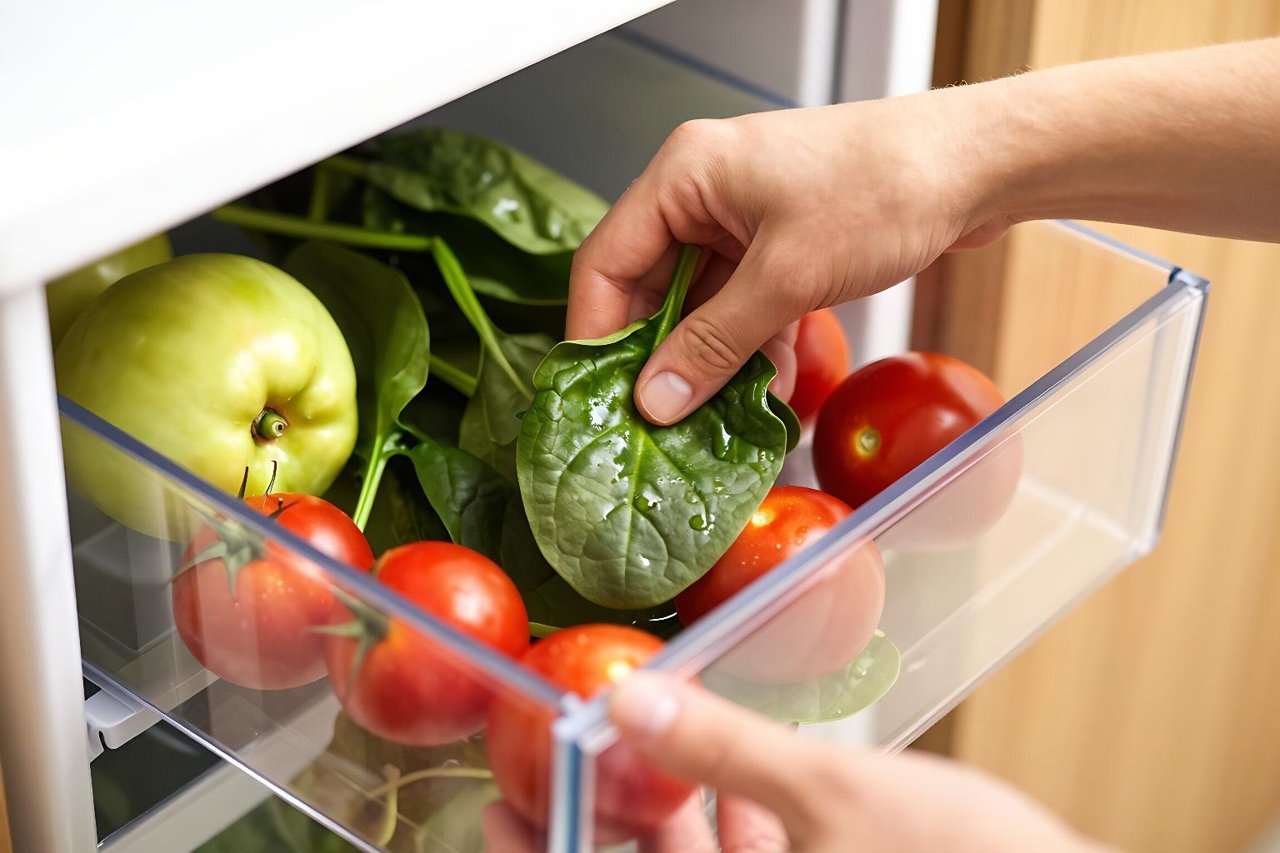
The half bag of spinach wilted in the fridge again. You bought it on Sunday with good intentions, then Tuesday turned into takeout and Wednesday turned into leftovers eaten standing at the counter. Most healthy eating plans die in that gap between the plan and the week you actually had. Learning how to build healthy eating habits that last means designing for the gap. Make the good choice a little easier on ordinary days and a lot easier on hard ones.
Pick the meal you repeat most often. Breakfast is a good starting point for many people because it is already tied to a routine: kettle, coffee, bowl, desk. If you eat cereal every morning, don’t add a 45-minute smoothie ritual. Add frozen berries and a spoonful of Greek yogurt to the bowl you already make. If lunch is a supermarket sandwich, add a piece of fruit and a handful of nuts to the bag. That is the whole change. One meal, one upgrade, repeated.
If you want a menu of starter moves, this ranked list of healthy eating habits ranked by how easy they are is a useful place to borrow one idea. Start with the easiest item that fits your actual morning, not the one that sounds most impressive.
Make the first version almost boring
Two vegetables at dinner. A piece of fruit at lunch. Water on the desk before coffee. Boring habits get repeated, and repeated habits become automatic. The exciting version of a healthy diet rarely survives a rainy Tuesday. The boring version often does.

Use Meal Templates Instead of Rigid Meal Plans
Meal plans collapse when Tuesday changes. Templates bend. A template is a short question you ask at the shop or the fridge: what is my protein, what is my vegetable or fruit, what makes it taste good, and do I need a starch? That is enough structure to build a meal without needing a spreadsheet.
- Breakfast: eggs, frozen spinach, toast, hot sauce.
- Lunch: canned chickpeas, cucumber, feta, lemon, pita.
- Dinner: chicken thighs, broccoli, rice, soy-ginger sauce.
- Snack: plain yogurt, banana, cinnamon.
Notice that none of these require a special ingredient hunt. They use frozen, canned, and fresh food together. A step-by-step approach like the longevity diet in six manageable steps follows the same logic: more beans, vegetables, whole grains, and nuts, less ultra-processed food, without demanding a perfect week.
Change Your Kitchen Before You Change Your Willpower
Willpower is unreliable at 6:40pm. Kitchen layout is not. Put the fruit bowl where you see it first. Move the chips to the top shelf. Wash and cut carrots when you unpack the groceries, while you still have shoes on and momentum. Keep a bag of frozen peas or spinach in the freezer and a can of beans in the cupboard. These are not glamorous moves. They are the reason dinner happens on a night when you would otherwise order pizza.
A pot of chili made on Sunday and frozen in two-cup portions is a better dinner plan than a promise to cook every night. The same goes for cooked rice, roasted vegetables, and hard-boiled eggs. Spend 20 minutes on Sunday prepping one component, not the whole week. One component is enough to tilt a meal toward something you feel good about.
Build a Bad Week Protocol
You need a plan for the week when work runs late, a child is sick, or the train is cancelled. A sustainable healthy lifestyle needs a floor, not just a ceiling. Write down four no-thought meals you will actually eat when you are tired. Eggs on toast with frozen spinach. Canned lentil soup with toast. Yogurt with oats and banana. Rice bowl with edamame and kimchi.
The rule is simple: when you are overwhelmed, you do not need a new plan. You need to lower the bar to something you will still do. This is where many people quit. They treat a difficult week as proof that they failed, rather than as information about what their backup plan needs to look like. The article on building a sustainable healthy lifestyle that survives a bad week goes deeper on this, but the short version is: decide your minimum now, while you are calm.
Track the Habit, Not the Calories
Most people quit food tracking because it turns into a second job. Track three markers instead: a vegetable at lunch, a home-cooked dinner, and water with meals. Put a dot on a paper calendar for each one. That is it. No app, no macro breakdown, no guilt spiral at 10pm.
After two weeks, look for the pattern. Maybe you hit the vegetable marker on weekdays but not weekends. Maybe home-cooked dinners fall apart on Wednesdays. That is useful information. It tells you where to put your effort. If your schedule is already stretched, these ways to maintain healthy habits when life gets busy are more practical than a detailed food diary.
Make Eating Out Part of the Plan
Healthy eating habits that last include restaurants, birthdays, and Friday pizza. A plan that only works in your own kitchen is not a plan. At a restaurant, order water first. Pick a protein and a vegetable. Eat slowly enough to notice fullness before the plate is empty. Have the fries if you want them, but decide before the menu decides for you.
One meal out of 21 does not erase four weeknight dinners. The problem starts when one meal out becomes a lost weekend and then a lost month. Keep the next meal normal. That is the whole recovery strategy.
Give It Eight Weeks Before You Judge It
New habits feel clunky. You forget the spinach. You buy the wrong yogurt. You eat cereal for dinner because the fridge looks like a puzzle. That is normal. Research on habit formation suggests people can take anywhere from about 18 to 254 days to reach automaticity, with many landing around two months. Eight weeks is a fair trial, not a magic deadline.
Set a review date on your calendar. Ask two questions: which habit survived, and which one needs a smaller version? Maybe the 6am gym-and-smoothie plan was too much, but a 7am yogurt bowl is realistic. Maybe cooking five nights is too many, but cooking three and doubling the recipes works. That is also the lesson in this comparison of healthy aging tips and their trade-offs: there is no single perfect routine, only one you can keep.
What to Put in Your Cart This Week
Before you buy another planner or app, buy groceries that make the next five dinners easier. Frozen vegetables. Canned beans. Eggs. Plain yogurt. Fruit that you actually like. Tortillas. Rice. A jar of pesto. Lemons. These are not trendy superfoods. They are the raw material for meals you can make in 10 minutes on a Wednesday.
Then pick one meal you will repeat twice this week. Cook it once, eat it twice. Maybe it is a tray of roasted chicken and vegetables. Maybe it is a big pot of tomato and lentil soup. Maybe it is a container of rice, edamame, and shredded cabbage with a peanut-lime dressing. Repeat meals are not boring if they are the meals that keep you out of the drive-thru.
Your habits do not need to be impressive. They need to be repeatable on a rainy Wednesday when you are tired and the spinach is already washed. Build for that night, and the healthy eating habits have a real chance of lasting past February.


