
Table of Contents
There Is More Than One Paycheck in Sports
Say “make money in sports” and most people picture a rookie contract. That is one path, and fewer than 2% of college athletes ever sign a professional deal. The rest of the money sits somewhere less glamorous: the person filming Friday night football for a local paper, the retiree umpiring Little League at $60 a game, the guy who turned a transfer-news newsletter into a five-figure side income.
None of it requires a 4.4 forty. What follows are routes that genuinely pay in 2026, ordered roughly from “you could start this Saturday” to “give this a year.”
Officiating and Coaching: Cash Within a Week
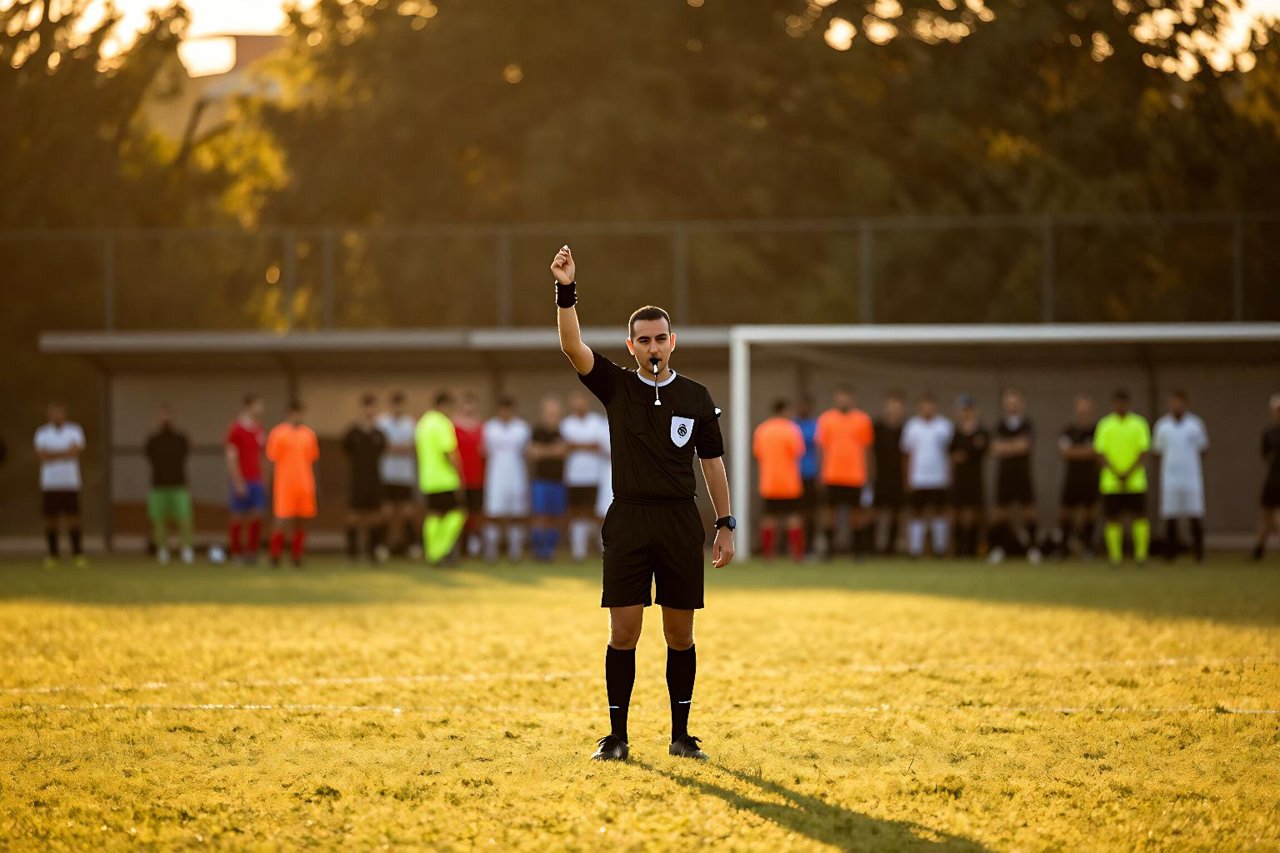
Youth sports are desperate for officials, and the shortage has pushed rates up hard. Here is what associations across the US were paying last season:
- Soccer referee: $30 to $50 per match at rec level, $70+ for travel leagues. A Saturday tournament block can clear $200.
- Basketball official: $50 to $80 per middle and high school game.
- Baseball or softball umpire: $45 to $75 per game, with playoff bumps.
- Paid meet roles: swim timing and track scoring positions often run $15 to $25 an hour.
Certification typically costs $50 to $120 and takes a weekend. Coaching pays worse per hour, but it builds a reputation that converts into private training sessions at $40 to $80 an hour, and those clients come back every week.

Content Creation: The Widest Open Door
No credentials required. A niche and a posting schedule are the whole barrier to entry, which is why this is the most crowded lane and still the most rewarding for anyone willing to be consistent.
What the numbers look like
Sports videos on YouTube earn roughly $2 to $8 per thousand views, and betting or fantasy content sits at the top of that band because advertisers pay a premium to reach that audience. A channel doing 100,000 views a month clears $400 to $800 from ads before a single sponsor. Newsletters do better per reader: 4,000 subscribers at $7 a month with a 4% conversion rate is around $1,100 in recurring revenue, and there is no algorithm between you and your audience.
Formats that reliably pull views
Comparison content never dies. Height, wingspan, hand size, 40 times. Teams exaggerate listed measurements constantly, which makes “is he actually 6’5?” a permanent content engine. If you want a template for that kind of verification work, the method in this guide to how to work out a celebrity’s real height applies almost word for word to athletes.
If you cover trades and transfers, verify before you publish. Chasing a viral rumour that turns out to be invented costs you the audience you spent a year building, and it happens constantly. Reading up on how sports rumors spread and how to read them before you believe anything is worth an hour before you post your first scoop.
Betting and Analytics: Only If You Treat It Like a Business
Straight answer first: most people who bet on sports lose. Sportsbooks build a 4% to 5% margin into every line, which means a casual bettor needs to be right far more often than instinct allows just to break even. The people who make it work shop multiple books for the best price, track every wager in a spreadsheet, and think in thousands of bets rather than one Sunday slate. If you want the mechanics rather than a tip sheet, this breakdown of how the odds work and where the edge actually lives is the honest version.
There is steadier money sitting next to the betting itself. Selling verified data feeds, writing paid analysis, building fantasy football projection models, and running a Discord community with a monthly fee all pay without risking your own bankroll.
Selling the Experience Rather Than the Game
Attendance is the product, and plenty of people profit from it without touching a ball.
- Ticket resale: margins are thin and capital-hungry, but presale access through a season-ticket account changes the maths completely.
- Card flipping: sealed boxes from a rookie class often appreciate once that class breaks out, and single cards move fast on auction platforms.
- Gameday work: ushers, concessions and parking staff pull $15 to $22 an hour with free entry to every home game.
Behind-the-Scenes Jobs That Pay a Salary
Not everything is a hustle. Teams, leagues, agencies and broadcasters hire constantly, and entry-level roles rarely require an athletic background.
- Team social media coordinator: $45,000 to $65,000
- Entry-level data or video analyst: $55,000 to $75,000
- Ticket sales representative: $40,000 base plus commission
- Assistant athletic trainer or strength coach: $45,000 to $60,000
- Esports operations coordinator: $50,000 to $70,000
The catch is competition. Almost everyone in these roles got in through an internship, a freelance gig, or someone who vouched for them, so the fastest route is usually to do the work for free once, then charge for it.
The Streaming Shift Created Its Own Economy
Games are now scattered across a dozen services, and that fragmentation is a business. Review sites, comparison channels and newsletters that simply explain where a match is airing earn affiliate revenue from every signup they send. Knowing how to watch live games without a subscription is useful information for millions of people, and useful information monetises.
Athlete Branding and the Fashion Money Around It
Endorsement income dwarfs salary for the top tier of athletes, and the same machine employs stylists, sneaker resellers and creators who cover what players wear into the tunnel. The commercial pull of celebrity fashion and the money behind the looks is not that different in sports, where a single post-match outfit can move a product line overnight. If you have an eye for style, that is a lane with far less competition than highlight reels.
What Separates the People Who Earn From the People Who Watch
Pick one lane and stay in it for 90 days. Splitting attention across a podcast, a betting account and a card collection guarantees that none of them get good enough to pay.
Track your hours against your income for the first quarter, even roughly. Refereeing at $60 a game for three hours of your Saturday is $20 an hour, and that is fine. Writing for six months at $0 an hour is not fine unless you can name the date you start charging.
Set the business up properly once money is real. Self-employment tax runs about 15.3% in the US, gear and mileage are deductible, and a separate bank account saves you a painful afternoon in April.
Keep the part that made you start, too. The moment a hobby turns into an obligation, output drops, and the people who last in sports money are the ones who still enjoy the game itself.
Start smaller than feels ambitious. One Saturday refereeing a U12 match, or one newsletter issue sent to eleven people, costs almost nothing and tells you within a fortnight whether you enjoy the work enough to keep going.


