
Table of Contents
A single blurry photograph is enough to set the internet on edge. Two celebrities exit the same hotel in different cars, and within an hour, thousands of tweets are already calling it “confirmation.” That’s the strange magic of celebrity rumors. They appear from thin air, consume entire news cycles, and often vanish with no explanation. But the process that creates them isn’t random. It’s a carefully rigged game, and once you see how it works, it’s hard to look away.
Celebrity rumors are the currency of the entertainment world. They fill Instagram captions, podcast segments, and tabloid covers. They also drive the content machine that ensures your favorite stars stay in the spotlight. Understanding where these rumors come from requires peeling back layers of PR, photography, and human psychology. And luckily, that’s exactly what we’re about to do.
How a Celebrity Rumor Is Born
Most people assume a rumor starts when a random fan snaps a photo and posts it online. The truth is far more deliberate. A typical rumor goes through three stages: planting, capturing, and amplifying. It happens so often that industry insiders have a playbook for it.
The PR Seed
Every publicist worth their fee knows that “bad” attention still counts as attention. When a client hasn’t had a hit project in a while, they might float a rumor to see how the public reacts. A “source close to the star” tells a tabloid that the celebrity is considering a reality show, or that they’ve secretly married their partner. This is called a “soft launch” of a story, and it’s a low-risk way to test the waters. If readers show interest, the publicist follows up with more “evidence.” If not, it quietly disappears.

The Paparazzi and the Tip-Off
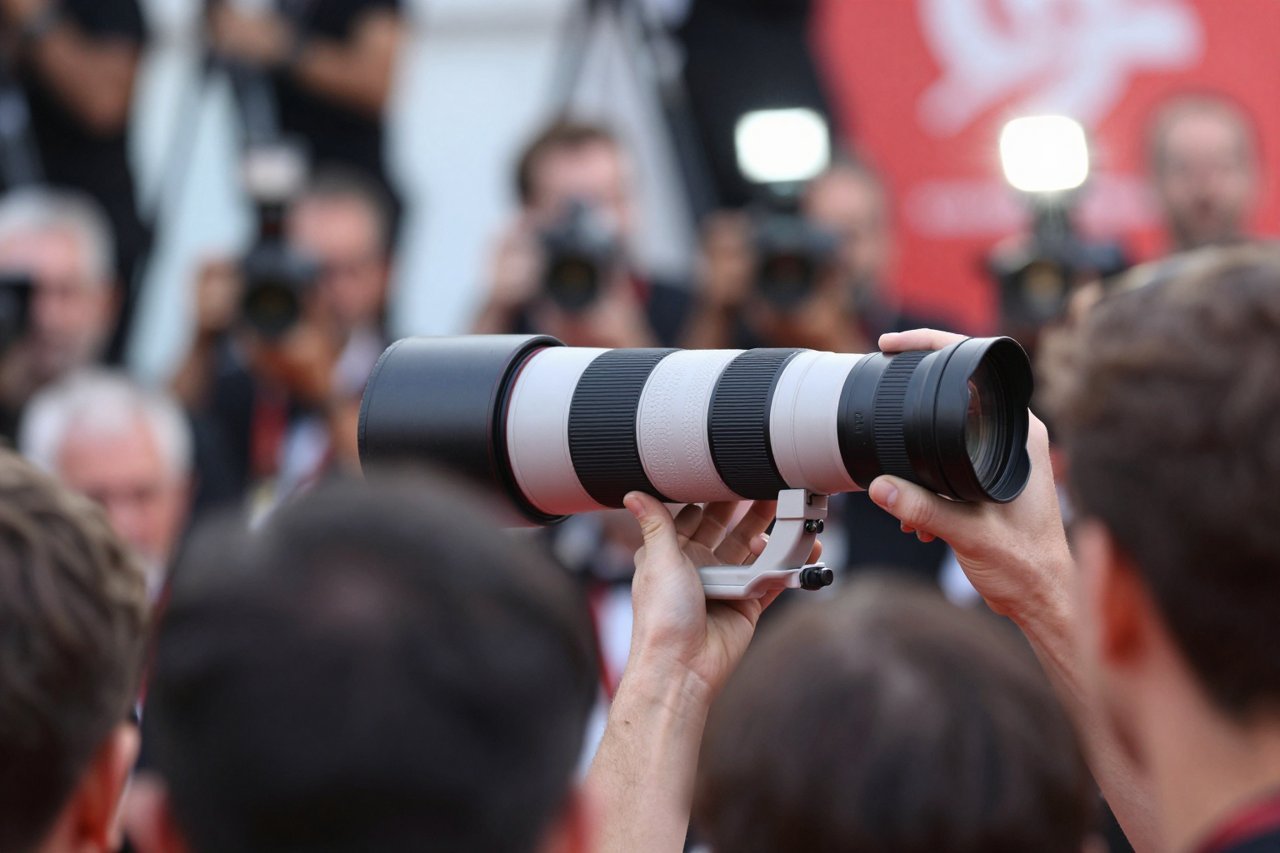
Paparazzi photographers rarely get lucky by accident. Many of the most viral celebrity photos are the result of carefully planned tip-offs. A publicist calls a photographer and says, “My client is going to be at this café at noon in a white sundress.” The photographer shows up, the star “casually” walks out with a coffee, and boom: the photo costs a few thousand dollars and lands on six different news sites. It’s a dance that’s been going on for decades, and it’s a core part of the broader celebrity news ecosystem. The entire industry is built on these staged moments, and they feed directly into the rumor machine that keeps the entertainment press alive.
Social Media’s Accelerant
Even the most carefully planned rumor has a problem: it can blow up in ways no one expected. Once a photo or a clip hits TikTok, Twitter, or Instagram, it’s out of the publicist’s control. A fan account with 10 followers can create a dramatic video edit that gets millions of views overnight. The rumor stops being a PR strategy and becomes a shared cultural object. A single vague post about “an A-lister who’s secretly engaged” can spawn hundreds of Reddit threads and YouTube theory videos, and suddenly everyone feels entitled to an opinion.
Why We’re Wired to Believe (and Share)
The psychology behind celebrity rumors is half the story. We crave social connection, and gossiping about shared figures is a shortcut to that connection. Scientists have found that talking about other people actually activates reward centers in the brain. It feels good to pass along a juicy tidbit, especially when the gossip is negative. This is why our appetite for high-drama stories is so strong—it’s not just mindless entertainment; it’s a survival mechanism from our tribal past.
There’s another layer too. Celebrity rumors let us feel like we’re on the inside. When we share a rumor about a star’s private life, we’re signaling to our friends that we have information they don’t. That social currency is incredibly powerful, even if the information turns out to be false. We explore this urge in depth in our breakdown of the cultural obsession with entertainment gossip, but the short version is that our brains don’t automatically prioritize accuracy when it comes to drama.
The Rumor Mill’s Most Common Patterns
Once you start paying attention, you’ll notice that celebrity rumors repeat themselves with a limited set of templates. Here are a few of the all-time favorites:
- The secret relationship. Two stars are photographed standing next to each other at an event, and suddenly they’re “dating.” This is the most common pattern, and it’s recycled endlessly.
- The feud. A subtle bit of body language, a missing Instagram follow, or a “late response” to a compliment can trigger a month of articles about a nonexistent rivalry.
- The health scare. A late hospital visit or a weight change is turned into a terminal illness by sites that care more about clicks than facts.
- The career move. “Insiders are saying they’re leaving the show!” is a favorite around contract negotiation time, because it puts pressure on the network.
- The plastic surgery rumor. Any subtle change in a person’s appearance is treated as proof of a nose job, filler, or a facelift.
These patterns work because they trigger strong emotional reactions. Whether it’s excitement, envy, or schadenfreude, there’s a feeling to be had. The actual facts often get left behind.
When Rumors Turn Toxic
Not every rumor is harmless fun. Some have real-world consequences that can destroy careers and personal lives. Defamation lawyers spend their days reading headlines, and many celebrities have successfully sued tabloids for false claims. But the damage usually happens long before a lawsuit is won. When a rumor goes viral, the public forms a judgment based on the headline. Even if it’s later debunked, the original image stays burned into people’s minds.
Take the persistent question of whether Brittany and Patrick Mahomes attended Taylor Swift and Travis Kelce’s wedding. It may sound like a lighthearted story, but the speculation triggered a wave of harassment and fabricated copy about the couple’s relationship. The debate over the Mahomes wedding rumor became so loud that it turned into a full-fledged news cycle of its own, complete with seating chart analyses and leaked guest lists. It’s a perfect illustration of how a single question can spiral into an entire cottage industry.
Separating Fact From Fiction: A Field Guide
In a world where “sources say” means essentially nothing, how do you tell what’s real? You can’t just read the headline; you have to dig a little.
Check the Source
Anonymous sources in a British tabloid are not the same as a verified rep who comments on the record. Learn to recognize the difference. A reliable story will usually cite a publicist, a family member, or a court document. A rumor that depends on “a source” without a name is a red flag from the start.
Look for Independent Corroboration
If only one outlet is covering a story, it’s often a planted piece. When something is real, multiple outlets will eventually confirm it, often with their own reporting. If a rumor stays confined to a single site or a single podcast, it probably belongs in the “maybe” pile. Cross-check the claim across several legitimate news sources before you accept it as fact.
Wait for the Receipts
Video and court documents are hard to fake. Photos can be manipulated, but official recordings and legal filings are much more difficult to twist. If a rumor relies on a blurry image or a “friend saying” someone was seen somewhere, ask for more evidence. Looking closely at the original photo or video can save you from spreading nonsense.
The Curious Case of the Confirmed Rumor
Sometimes, a rumor that feels impossibly far-fetched turns out to be true. Fans who spent months arguing that a beloved character would return to a hit series were vindicated when the episode finally aired. The return of Samantha Jones in “And Just Like That” was the subject of heated debate for years, and when it actually happened in episode 5, the internet exploded. That moment was a reminder that the rumor mill isn’t always wrong—it’s just unreliable. And that uncertainty is part of what makes it so addictive.
The next time you see a celebrity rumor sweep through your feed, don’t just scroll past. Look at the source, check for independent confirmation, and consider who benefits from the story. You might not be able to stop the rumor machine, but you can at least avoid being its unwitting cog.


