
Table of Contents
You don’t need to spend your entire Sunday cooking to make meal prep work. In fact, the best meal prep ideas are the ones that fit into your actual life, not a perfectly curated Instagram grid. Over the past few years, I’ve tested dozens of approaches, and the ones that stuck are simple, flexible, and surprisingly quick. Here’s what actually works.
Start With the Right Mindset: Prep Components, Not Just Meals
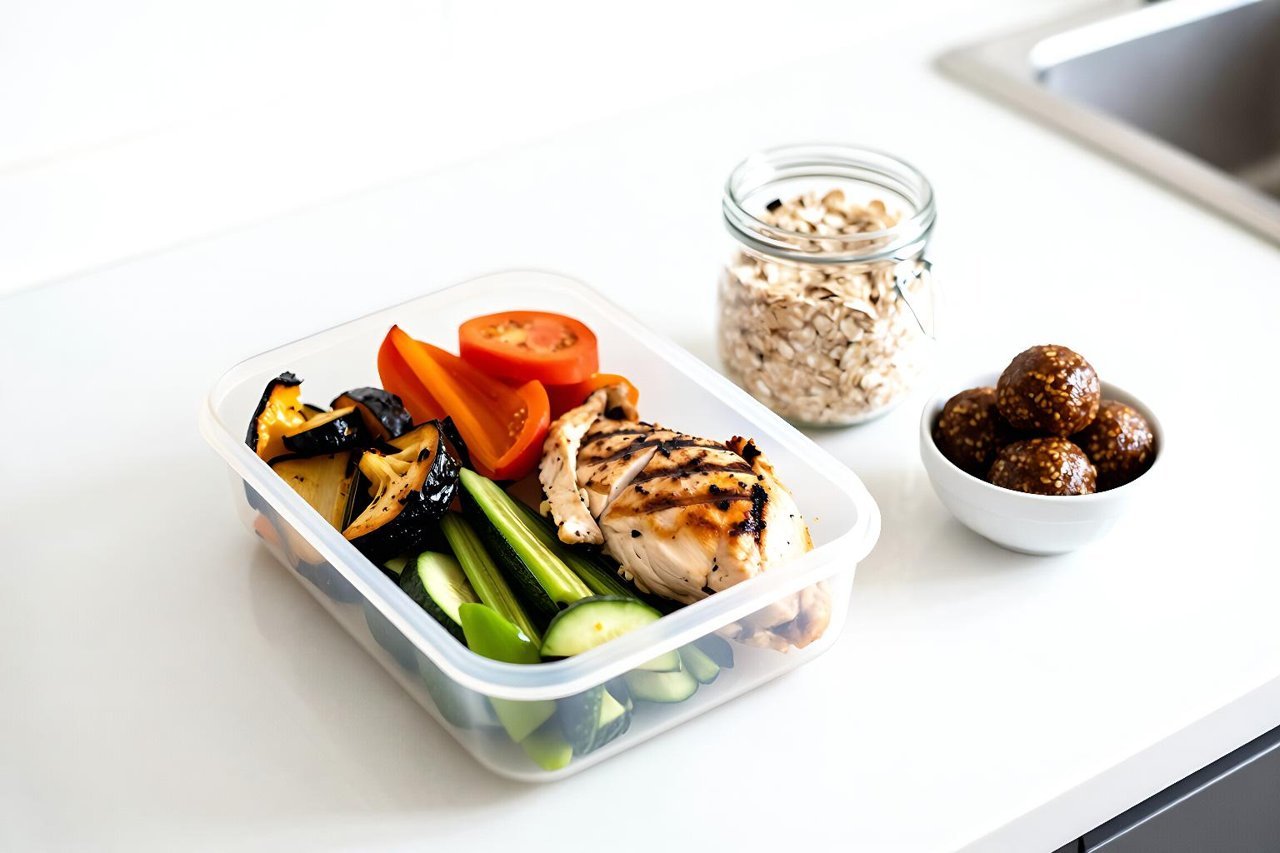
Many people think meal prep means making five identical chicken-and-rice bowls. That gets boring fast. Instead, think of prepping components you can mix and match. Cook a batch of quinoa, roast a tray of vegetables, marinate a pack of chicken thighs, and hard-boil a dozen eggs. Then you can assemble different meals all week without eating the same thing twice.
The “Three-Thing” Rule
For every meal, aim for one protein, one carbohydrate, and one vegetable. This keeps things balanced and makes it easy to switch things up.
- Proteins: grilled chicken, hard-boiled eggs, lentils, canned tuna.
- Carbs: brown rice, sweet potatoes, whole-wheat tortillas, oats.
- Vegetables: roasted bell peppers, steamed broccoli, cherry tomatoes, shredded cabbage.
Once you have these components, you can build dozens of meal combinations. And if you’re looking to cut back on carbs, choose low-carb vegetables like cauliflower, zucchini, or leafy greens.

Breakfast Meal Prep Ideas That Beat the Morning Rush
Breakfast is the easiest place to start because most options are grab-and-go. Overnight oats are a classic: combine 1/2 cup oats, 1 cup milk or yogurt, a tablespoon of chia seeds, and your favorite toppings in a jar the night before. You can make five jars in ten minutes. In the morning, you have a cold, creamy breakfast ready.
Another solid idea is egg muffins. Whisk 12 eggs, add chopped spinach, diced bell peppers, and a little feta, then bake in a muffin tin at 350°F for 20 minutes. They keep for four days in the fridge and reheat beautifully. For more morning inspiration, look at these healthy breakfast food ideas for every situation – from high-protein options to quick smoothie combos.
If you’re someone who craves a warm breakfast, try pre-portioning smoothie packs. Measure out fruit, spinach, and protein powder into freezer bags. Each morning, dump one into the blender, add liquid, and you’re done. No measuring needed.
Lunch Prep That Doesn’t Get Soggy or Sad
The biggest complaint I hear about lunch prep is that salads turn into a wilty mess. The fix is all about layering. Put the dressing at the bottom of your container, then add hard vegetables like cucumbers and carrots, then grains or beans, and finally top with greens and a protein. When you’re ready to eat, shake it up. Everything stays crisp.
Mason jar salads are perfect for this. And for a boost of fiber, throw in some chickpeas, shredded Brussels sprouts, or roasted sweet potatoes. If you’re looking to add more roughage to your routine, these high-fiber vegetables are easy to incorporate and keep you full until dinner.
One of my favorite low-effort lunches is a grain bowl with a twist. On Sunday, I cook a big batch of farro and roast a tray of cherry tomatoes and zucchini. During the week, I pack a scoop of farro, a handful of roasted veggies, a few cubes of feta, and a drizzle of balsamic. It’s simple, but the roasted tomatoes add a sweetness that makes it feel special. If you’re curious about the best varieties for that flavor, this list of the sweetest tomatoes will help you pick the right ones at the market.
Dinner Meal Prep: Cook Once, Eat Twice
Dinner prep works best when you use the “cook once, eat twice” strategy. Grilled chicken breast, for example, can be sliced over salad one night, tossed with barbecue sauce for a sandwich the next, and diced into a grain bowl after that.
Sheet pan meals are another time-saver. Line a baking sheet with parchment, add your protein and vegetables, drizzle with olive oil and seasonings, and roast at 400°F until done. A whole tray makes three or four servings, and you only wash one pan.
For more protein-packed ideas, check out the best high protein foods for muscle gain – many of them are budget-friendly and easy to cook in bulk. If you’re not a huge fan of cooking from scratch every night, this list of delicious healthy recipes that actually taste good is full of meals that double as great leftovers.
One of my go-to dinner preps is chili. Make a big pot on Sunday with ground turkey, black beans, crushed tomatoes, and a packet of chili seasoning. It freezes beautifully, so you can portion it into containers and have a ready-made dinner for those nights when you just can’t.
Snack Prep That Keeps You Out of the Vending Machine
Snacks are where meal prepping really pays off. Pre-portioning snacks at the beginning of the week means you’re never standing in front of the pantry wondering what to eat.
- Energy balls: dates, oats, peanut butter, and dark chocolate chips blended together and rolled into balls.
- Veggie sticks with hummus: cut carrots, celery, and bell peppers into sticks and divide into small containers.
- Hard-boiled eggs: boil a dozen at once and keep them in the fridge with a little salt and pepper.
- Portioned nuts: measure out 1/4-cup servings into zip-top bags for grab-and-go protein.
Storage and Reheating Tips That Preserve Flavor
Investing in the right containers makes a huge difference. Glass containers with a tight seal are ideal because they don’t stain or hold odors. Mason jars are perfect for salads and overnight oats. And a set of small 4-ounce containers is great for sauces and dressings.
Let food cool completely before you seal the lid. If you close a container while the food is still hot, you’ll trap condensation, and that sogginess will ruin your carefully prepped grains. One trick is to spread rice or pasta in a single layer on a baking sheet to cool quickly before packing.
When reheating, always add a small splash of water to rice and grains before microwaving. It brings back the moisture without making things sticky. For roasted vegetables, a quick blast in the oven or air fryer at 350°F for five minutes will revive their crisp edges.
Freezing is another key part of meal prep. Soups, chilis, and casseroles can be portioned into freezer-safe bags and stored flat. When you’re ready to eat, just thaw in the fridge overnight or heat directly from frozen in the microwave or oven.
How to Build a Meal Prep Routine That Actually Sticks
Start small. If you’ve never prepped before, don’t try to batch-cook every meal for the week. Pick one meal – maybe breakfast or lunch – and prep just three days’ worth. Once that feels easy, add another meal or a longer horizon.
Set a specific time for prep. Treat it like an appointment. Some people prefer Sunday morning because it’s quiet; others do it on Wednesday evening when they have more bandwidth. The key is consistency, not perfection. Even 45 minutes of prep can save you hours later in the week.
Eventually, you’ll develop a rhythm. You’ll know which vegetables stay fresh longest, which proteins freeze best, and which containers actually make it through your dishwasher. And you’ll start to look forward to that time in the kitchen, because it’s not a chore – it’s a way of looking after yourself for the next five days.


