
Table of Contents
You’ve been hitting the gym hard, but the scale isn’t moving. More often than not, the missing piece isn’t your workout—it’s your plate. Protein is the building block of muscle, and without enough of it, all those reps won’t translate into size. The good news? You don’t need a shelf full of fancy supplements to hit your goals. Real food can get you there.
How Much Protein Do You Really Need?
Before diving into specific foods, it helps to know your target. For muscle gain, research suggests 1.6 to 2.2 grams of protein per kilogram of body weight per day. That means a 180-pound (82 kg) lifter should aim for roughly 130 to 180 grams daily. Spreading that across four to six meals makes it manageable. For a deeper breakdown of how to structure your entire diet, check out The Ultimate High Protein Diet for Muscle Gain: A Practical Guide.
Animal-Based Protein Powerhouses
Animal proteins are complete—they contain all essential amino acids your body needs to build muscle. Here are the standouts.
Chicken Breast and Turkey
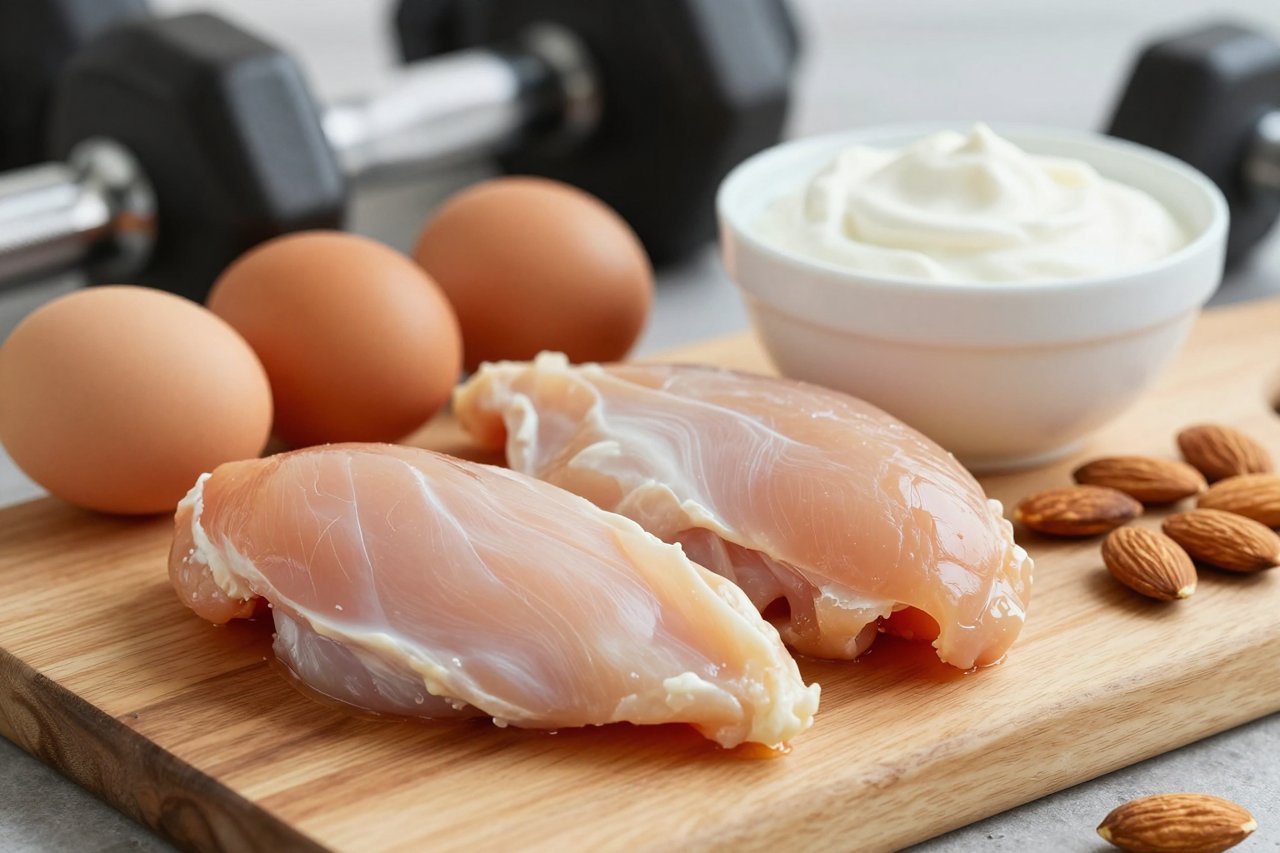
A skinless chicken breast packs about 31 grams of protein per 100 grams. It’s lean, versatile, and easy to cook in batches. Turkey breast is similar, with around 29 grams per 100 grams. Throw some on a salad, wrap it in a whole-wheat tortilla, or simply grill it with herbs. For more complete meal ideas, Fuel Your Gains: The Best High Protein Foods for Muscle Building has you covered.

Eggs
One large egg gives you about 6 to 7 grams of protein. The yolk contains half of that, plus healthy fats and vitamins. Don’t toss them—unless you’re watching cholesterol strictly, whole eggs are a muscle-building staple. A three-egg omelet with veggies hits 21 grams easily.
Beef and Red Meat
Lean cuts like sirloin or flank steak offer roughly 26 grams of protein per 100 grams. Red meat also provides creatine, zinc, and iron—nutrients that support strength and recovery. Opt for grass-fed when possible; it has a better fatty acid profile. Pair it with sweet potatoes for a post-workout powerhouse meal.
Fish and Seafood
Salmon, tuna, and cod are excellent sources. A 100-gram serving of salmon delivers 20–25 grams of protein along with omega-3s that reduce inflammation. Canned tuna is budget-friendly and shelf-stable—just watch the mercury levels. Aim for two to three fish servings per week.
Dairy
Greek yogurt is a star: one cup provides 15–20 grams of protein, plus probiotics. Cottage cheese is similar, with 14 grams per half-cup. Milk (especially chocolate milk post-workout) offers a 3:1 carb-to-protein ratio that aids recovery. For an extra boost, consider adding a scoop of quality whey. Why Grass Fed Whey Protein Powder Deserves a Spot in Your Kitchen explains why it’s a smart addition.
Plant-Based High Protein Foods
You don’t need meat to build muscle. Combine different plant sources to get all essential amino acids.
Soy Products
Tofu, tempeh, and edamame are complete proteins. Tempeh leads the pack with about 19 grams per 100 grams. Firm tofu has around 8 grams per 100 grams, but it’s low in fat and easy to season. Edamame makes a great snack: one cup provides 17 grams of protein.
Legumes and Beans
Lentils offer 9 grams per 100 grams cooked, with plenty of fiber. Chickpeas (15 grams per cup cooked) are perfect for salads or hummus. Black beans and kidney beans also contribute. Pair them with rice or whole grains for a complete amino acid profile.
Seeds and Nuts
Pumpkin seeds are a hidden gem: 30 grams of protein per 100 grams. Almonds, peanuts, and sunflower seeds also pack a punch. A handful of almonds (about 23 nuts) gives you 6 grams. Nut butters are convenient—add a tablespoon to oatmeal or a smoothie.
Protein-Rich Meal Ideas That Actually Taste Good
Knowing the foods is one thing; eating them consistently is another. Here’s a sample day to hit 160 grams:
- Breakfast: 3 scrambled eggs (21g) + 1/2 cup Greek yogurt (12g) = 33g
- Lunch: 6 oz grilled chicken breast (52g) + 1 cup quinoa (8g) + veggies = 60g
- Snack: 1 cup cottage cheese (28g) + 1/4 cup almonds (7g) = 35g
- Dinner: 5 oz salmon (31g) + 1 cup broccoli (3g) = 34g
That adds up to 162 grams. Adjust portions based on your target. For more delicious combos, browse The Ultimate Guide to High Protein Meals for Muscle Gain (That Actually Taste Good).
Timing Your Protein Intake
Does it matter when you eat? Yes and no. Total daily intake is most important, but spacing protein evenly across meals (~30–40 grams per meal) maximizes muscle protein synthesis. A pre- or post-workout meal within two hours of training can also boost recovery. Don’t stress over the exact minute—just avoid going six hours without a substantial protein dose.
Putting It All Together
Start by taking your body weight in kilograms and multiplying by 1.8. That’s your daily protein target. Then pick three or four foods from the lists above that you actually enjoy. Prep them in bulk on Sunday: grill chicken, hard-boil eggs, portion out Greek yogurt cups. Consistency beats perfection every time. If you’re struggling to hit your number with whole foods alone, a quality protein powder can fill the gap—The Best Muscle Gain Protein Powder: What Actually Works for Building Mass cuts through the noise. Swap one meal this week for a high-protein alternative and watch your progress take off.


