
Table of Contents
Unlock Radiant Skin: The Definitive Guide to Microneedling
Microneedling has emerged as a revolutionary procedure in the quest for flawless, youthful skin. Often hailed as a minimally invasive yet highly effective treatment, it harnesses the body’s natural healing processes to revitalize the complexion. This comprehensive guide will delve deep into the science, benefits, types, and crucial considerations surrounding microneedling, empowering you with the knowledge to make informed decisions about your skin health journey.
Key Takeaways
- What Microneedling Is: A cosmetic procedure that involves creating microscopic punctures in the skin to stimulate collagen and elastin production, known as Collagen Induction Therapy (CIT).
- How It Works: The controlled micro-injuries trigger the skin’s natural wound-healing cascade, leading to regeneration and remodeling of skin tissue.
- Key Benefits: Improves skin texture, tone, reduces appearance of fine lines, wrinkles, acne scars, stretch marks, and hyperpigmentation.
- Treatment Types: Ranges from traditional microneedling pens and dermarollers to advanced Radiofrequency (RF) microneedling and PRP (Platelet-Rich Plasma) microneedling.
- Important Considerations: Requires professional application for optimal safety and results, specific aftercare, and is not suitable for individuals with certain skin conditions or medical issues.
What is Microneedling? Understanding the Science of Skin Rejuvenation
At its core, microneedling, also known as collagen induction therapy (CIT), is a minimally invasive cosmetic procedure that involves using a device with fine needles to create controlled micro-injuries on the skin’s surface. These tiny punctures are invisible to the naked eye but significant enough to trigger the body’s natural healing response.
When the skin detects these micro-injuries, it initiates a cascade of reparative processes. This includes increased production of collagen and elastin, two vital proteins responsible for skin’s strength, elasticity, and youthful appearance. As new collagen and elastin are formed, the skin becomes firmer, smoother, and more radiant. This natural regeneration makes microneedling a powerful tool for addressing a wide range of dermatological concerns without resorting to more aggressive treatments.
The Remarkable Benefits of Microneedling
The regenerative power of microneedling translates into a multitude of aesthetic benefits, making it a highly sought-after treatment.

Improving Skin Texture and Tone
One of the most immediate and noticeable benefits of microneedling is the significant improvement in overall skin texture and tone. By stimulating new cell growth and collagen production, microneedling helps to smooth out rough patches, reduce the appearance of enlarged pores, and create a more even, luminous complexion.
Fading Scars and Hyperpigmentation
Microneedling is particularly effective in addressing various types of scars, including acne scars and surgical scars. The process encourages the breakdown of old scar tissue and its replacement with new, healthy skin cells. Similarly, it can diminish hyperpigmentation, such as sun spots and melasma, by promoting cell turnover and dispersing melanin more evenly.
Reducing Fine Lines and Wrinkles
As we age, collagen production naturally declines, leading to the formation of fine lines and wrinkles. Microneedling combats this by kickstarting the body’s collagen synthesis, plumping the skin from within and visibly reducing the depth of wrinkles and fine lines, restoring a more youthful contour.
Enhancing Product Absorption
The micro-channels created by microneedling do more than just stimulate healing; they also provide a direct pathway for topical serums, growth factors, and other active ingredients to penetrate deeper into the skin. This significantly enhances the efficacy of your skincare products, allowing them to deliver their benefits more profoundly.
Types of Microneedling Treatments
While the fundamental principle remains the same, microneedling technology has evolved, offering various specialized treatments.
Traditional Microneedling Pens and Dermarollers
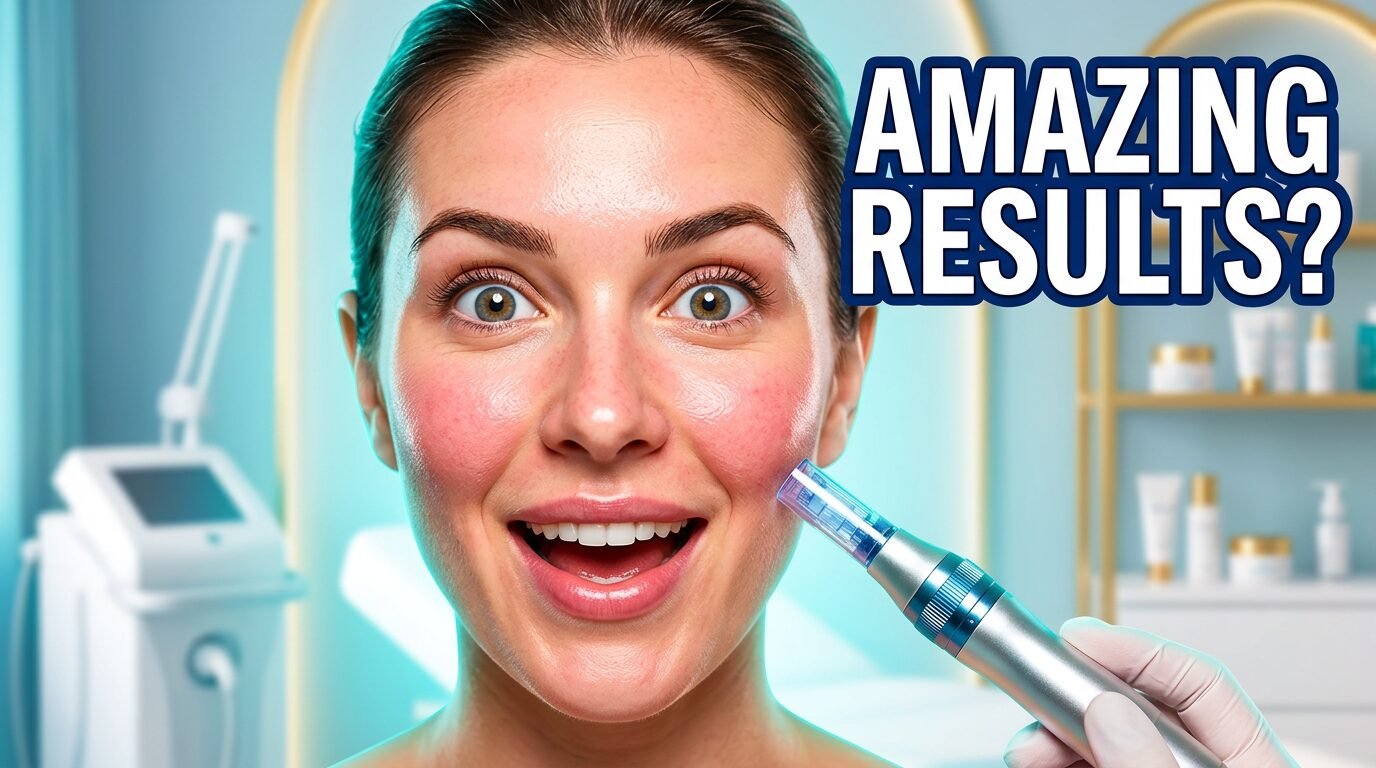
Traditional microneedling typically involves either a dermaroller (a handheld device with a rolling barrel of needles) or a microneedling pen (an electric device with a disposable tip of needles that oscillates rapidly). Professional microneedling pens offer precise control over needle depth, allowing practitioners to tailor the treatment to specific skin concerns and areas. While at-home dermarollers exist, their needle length is significantly shorter, and professional oversight ensures safety and optimal results.
Radiofrequency (RF) Microneedling
RF microneedling combines the physical puncturing of traditional microneedling with the added benefit of radiofrequency energy. The needles deliver RF energy deep into the dermal layers, generating heat. This heat further stimulates collagen and elastin production, leading to enhanced skin tightening and rejuvenation, particularly effective for deeper wrinkles and skin laxity.
Platelet-Rich Plasma (PRP) Microneedling (“Vampire Facial”)
PRP microneedling, often referred to as a “Vampire Facial,” involves drawing a small amount of the patient’s blood, processing it to concentrate the platelets (which are rich in growth factors), and then applying this PRP solution to the skin during or immediately after the microneedling session. The growth factors in PRP significantly boost the healing process and amplify collagen production, leading to more dramatic and accelerated results.
What to Expect During a Microneedling Session
A professional microneedling session is a straightforward process designed for patient comfort and optimal outcomes.
Typically, the procedure begins with a thorough cleansing of the skin. A topical numbing cream is then applied to minimize discomfort, which usually takes about 20-30 minutes to take effect. Once the skin is adequately numb, the practitioner will use the chosen microneedling device to systematically treat the target areas. The sensation is often described as a light vibration or mild scratching, not painful thanks to the numbing cream. A full facial microneedling session usually lasts between 30-60 minutes, depending on the area being treated and the specific technique. Immediately after, the skin will appear red, similar to a moderate sunburn, and may feel warm or slightly tight.
Microneedling Aftercare: Maximizing Results and Minimizing Risks
Proper aftercare is crucial for achieving the best results from your microneedling treatment and preventing complications.
* **Gentle Cleansing:** For the first 24-48 hours, use a gentle, pH-balanced cleanser and lukewarm water.
* **Hydration:** Keep your skin well-hydrated with a mild, non-comedogenic moisturizer. Avoid active ingredients like retinoids, AHAs, or BHAs for several days.
* **Sun Protection:** Your skin will be highly sensitive to the sun. Apply a broad-spectrum SPF 30+ sunscreen daily and avoid direct sun exposure.
* **Avoid Makeup:** Refrain from applying makeup for at least 24 hours to prevent infection and allow the skin to breathe.
* **No Strenuous Activity:** Avoid heavy exercise, saunas, and hot baths for 24-48 hours to prevent excessive sweating and potential irritation.
* **Patience:** Results from microneedling are not immediate. Collagen regeneration takes time, with improvements often becoming visible several weeks after the treatment, and optimal results typically seen after a series of sessions.
Is Microneedling Right for You? Contraindications and Safety
While microneedling is safe for most skin types, it’s not suitable for everyone. A consultation with a qualified professional is essential to determine if it’s the right treatment for your specific needs.
Good candidates for microneedling are generally healthy individuals looking to improve skin texture, reduce scars, diminish fine lines, or address hyperpigmentation.
However, microneedling is contraindicated for individuals who:
* Have active acne, eczema, psoriasis, or open wounds in the treatment area.
* Are pregnant or breastfeeding.
* Have a history of keloid scarring.
* Are taking blood thinners or have clotting disorders.
* Have certain skin conditions like rosacea (depending on severity) or warts.
* Have undergone recent radiation therapy or chemotherapy.
Potential side effects are generally mild and temporary, including redness, swelling, bruising, and sensitivity. Serious complications are rare but can include infection or allergic reactions, particularly if performed in an unsanitary environment or by an untrained individual.
Demystifying Common Microneedling Myths
Several misconceptions surround microneedling that can deter potential candidates or lead to improper practices.
Myth 1: Microneedling is excruciatingly painful.
**Reality:** With the application of a topical numbing cream, most patients report minimal discomfort during a professional microneedling session, often describing it as a tolerable sensation.
Myth 2: Microneedling thins the skin.
**Reality:** Quite the opposite! Microneedling actually thickens the skin by stimulating the production of new collagen and elastin, strengthening its structure and improving its density.
Myth 3: At-home microneedling devices are just as effective as professional treatments.
**Reality:** At-home dermarollers have much shorter needles and are designed for superficial product absorption, not significant collagen induction. Professional microneedling devices penetrate deeper, with greater precision and hygiene standards, leading to far more dramatic and safer results. Self-treatment with longer needles can lead to infection, scarring, or improper healing.
Microneedling stands as a testament to the power of harnessing the body’s natural healing abilities for aesthetic enhancement. With its proven track record in addressing a wide array of skin concerns, from fine lines to deep scars, it offers a pathway to healthier, more vibrant skin. Always seek treatment from a certified and experienced practitioner to ensure safety and achieve the radiant results you desire.


