
Table of Contents
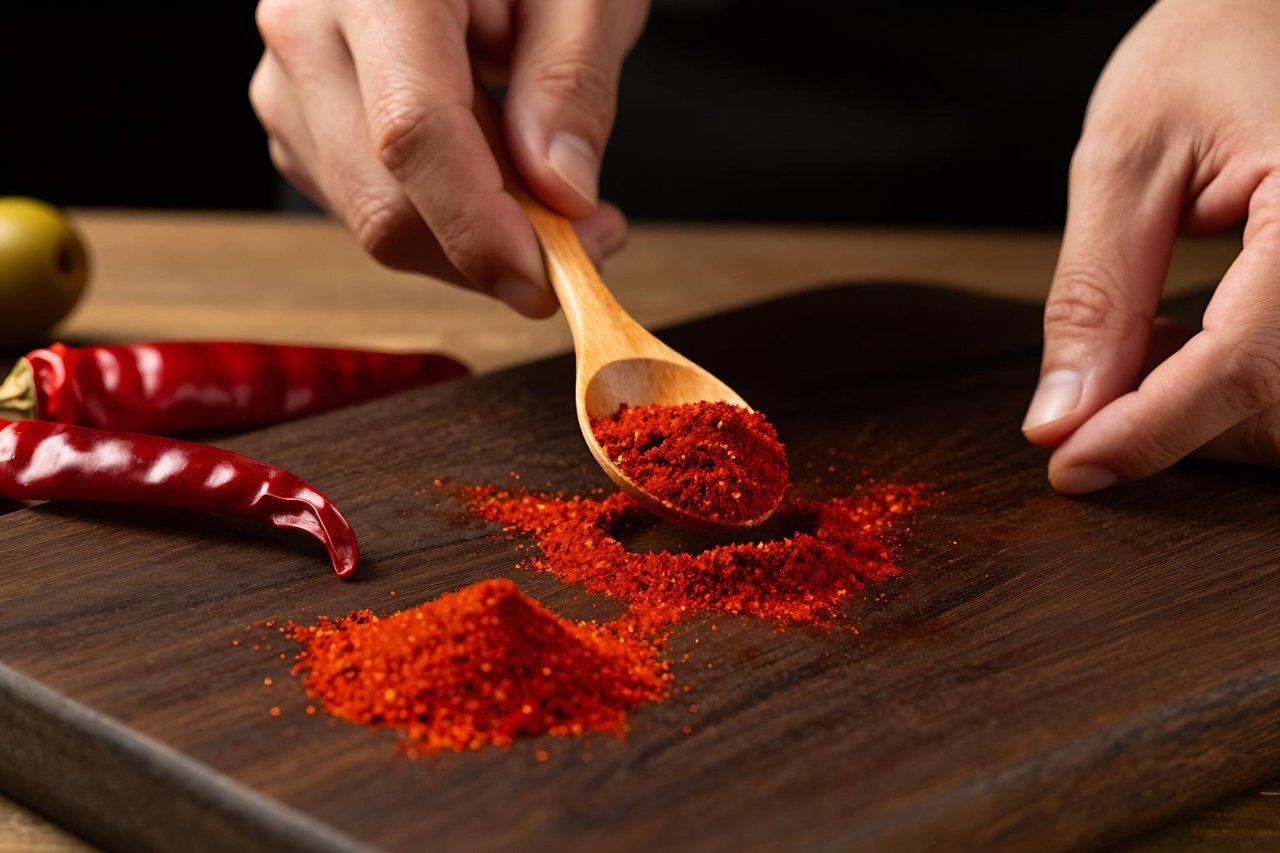
Paprika is one of those spices that gets treated like a wallflower. It sits in the rack, bright red and promising, then ends up dusted over deviled eggs once a year. That is a shame, because paprika: sweet, smoked, and hot varieties are three genuinely different ingredients with different jobs in the kitchen. A sweet Hungarian paprika can perfume a chicken stew. A spoonful of smoked Spanish pimentón can make roasted chickpeas taste like they came off a grill. Hot paprika can wake up a pot of beans without overwhelming it.
The difference starts with the pepper and ends with how it is dried, smoked, and ground. Once you know which jar does what, paprika stops being decoration and becomes seasoning.
What Is Paprika, Really?
Paprika is ground dried peppers from Capsicum annuum. Most paprika comes from fleshy red peppers bred for color and sweetness rather than heat. Stems and seeds are removed, the pods are dried, and the result is milled. Its deep red color comes from carotenoids. Its heat, or lack of it, depends on the pepper variety and whether any chilli peppers are included in the grind.
Hungary and Spain are the two reference points. Hungarian paprika tends to be air-dried and ranges from sweet to seriously hot. Spanish paprika, especially pimentón de la Vera, is often smoked over oak. A generic supermarket jar is usually mild and pleasant, but says little about origin or freshness. That matters because paprika is a dried spice with volatile oils, and old paprika tastes like red dust.

Sweet Paprika: Color, Sweetness, and Gentle Warmth
Sweet paprika is the baseline. In Hungary it is called édes; in Spain, pimentón dulce. Good sweet paprika tastes of roasted red pepper, tomato, and a little sweetness, with enough earthiness to keep it from feeling sugary. It is not spicy, although very fresh Hungarian sweet paprika can have a faint tingle.
This is the paprika to use by the tablespoon. It gives color and a rounded pepper flavor to chicken paprikash, goulash, potato soup, and braised cabbage. It also works on roasted cauliflower, scrambled eggs, popcorn, and a simple yogurt dip. Paprika is fat-soluble, so bloom it briefly in oil or butter over medium-low heat. Thirty seconds is often enough. At high heat it turns bitter fast, which is why many paprika dishes add it after the onions soften and the pan cools slightly.
Choosing a Sweet Paprika That Tastes Like Something
Look for a deep, saturated red and a closed tin or well-sealed jar. Hungarian tins may say csemege (delicate) or édes (sweet). Spanish jars may say dulce. Avoid powder that has faded to orange-brown or smells dusty. A small amount of good paprika will do more than half a cup of the stale stuff.
Smoked Paprika: The Campfire in a Tin
Smoked paprika is usually Spanish pimentón de la Vera. Peppers are dried over smoldering oak for days, sometimes weeks, which gives the powder a real wood-smoke flavor rather than a harsh, artificial one. It comes in three useful styles: dulce (sweet), agridulce (bittersweet), and picante (hot). Dulce is the most versatile. Agridulce has a sharper, more savory edge. Picante adds heat to the smoke.
Use smoked paprika in smaller amounts than sweet paprika. Half a teaspoon can change a whole pan of roasted carrots. A teaspoon stirred into mayonnaise makes a fast aioli for sandwiches. It is the reason chorizo tastes like chorizo, and it belongs in patatas bravas, barbecue rubs, marinades, deviled eggs, and chickpea stews. It also pairs well with honey, lemon, cumin, garlic, and yogurt.
How to Keep Smoke in Its Place
Smoked paprika can overwhelm a dish if you treat it like sweet paprika. Start with a quarter teaspoon per two servings, taste, and build. Add it to warm oil near the end of cooking, or stir it into a cool liquid or fat so it does not scorch. If a dish tastes flat after you add smoke, reach for acid, not more paprika. Lemon juice or vinegar sharpens the flavor and keeps the smoke from sitting heavily on the tongue.
Hot Paprika: Heat With Backbone
Hot paprika is not a single heat level. Hungarian hot paprika, often labeled csípős, can range from a mild warmth to a genuine kick. Spanish picante is similar. The Scoville rating varies by producer and blend, but hot paprika generally sits well below cayenne. What it offers is heat with flavor: fruit, earth, and sometimes a little smoke, depending on the style. That makes it more useful in long-cooked dishes than a neutral blast of chilli powder.
Use hot paprika in goulash, bean stews, chilli, spice rubs, roasted potatoes, and marinades for chicken or pork. It is also good in a simple tomato sauce when you want a low, steady burn. Because the heat level is unpredictable from jar to jar, taste before you commit. Mix hot paprika with sweet paprika to control the fire while keeping the pepper flavor generous. A ratio of one part hot to two or three parts sweet is a sensible starting point.
Hot Paprika vs. Cayenne
Cayenne is hotter and more neutral. Hot paprika is milder and more aromatic. If a recipe calls for cayenne and you only have hot paprika, you can substitute it, but you will need more to reach the same heat, and the flavor will be rounder and more peppery. If a recipe calls for hot paprika and you only have cayenne, use less and expect a sharper, less fruity result.
How to Buy and Store Paprika
Paprika is not a spice that improves with age. Buy it in amounts you will use within six months, and buy from a source that moves stock. Tins usually protect the powder better than clear jars, and a harvest or best-by date is a good sign. Store paprika in an airtight container away from light, heat, and the steam above the stove. Do not keep it in the refrigerator unless the container is truly airtight; condensation is worse than pantry heat.
- Color: deep, vivid red is promising; faded orange-brown usually means age.
- Aroma: fresh paprika smells sweet, earthy, or smoky, not dusty or papery.
- Texture: it should be fine and free-flowing, without hard clumps.
- Packaging: tins and opaque bags beat clear jars left in sunlight.
- Label: origin and style matter more than the word gourmet.
Three Jars, Endless Combinations
A practical paprika pantry does not need a dozen jars. Sweet, smoked, and hot cover most of the ground. Here are three formulas to keep in rotation:
- All-purpose red rub: 2 tbsp sweet paprika, 1 tsp smoked paprika, 1/2 tsp hot paprika, 1 tbsp garlic powder, 1 tbsp brown sugar, and 1 tbsp fine salt. Rub onto chicken thighs or pork chops before roasting.
- Paprika butter: 4 tbsp soft butter, 1 tsp sweet paprika, 1/4 tsp smoked paprika, and the zest of half a lemon. Spoon over grilled fish, corn, or steamed potatoes.
- Weeknight roasted potatoes: 1 1/2 tsp sweet paprika, 1/2 tsp smoked paprika, a pinch of hot paprika, 2 tbsp olive oil, and salt. Toss with 1 1/2 lb of cut potatoes and roast at 425°F until crisp.
The same proportions work on cauliflower, chickpeas, carrots, and squash. Finish with lemon juice or sherry vinegar; paprika tastes brighter with acid.
A Ratio to Keep in Your Head
For a fast, reliable seasoning blend, think 2:1:pinch. Two parts sweet paprika for color and body, one part smoked paprika for depth, and a pinch of hot paprika for lift. Use about one teaspoon of the blend per pound of vegetables, or two teaspoons per pound of chicken. Add salt, oil, and something acidic, then adjust after cooking. The sweet paprika gives the blend its red glow, the smoked paprika gives it a savory edge, and the hot paprika keeps the finish lively without turning dinner into a chilli eating contest.
That little formula is more useful than a shelf full of forgotten jars. It also makes the differences between paprika: sweet, smoked, and hot varieties easy to taste side by side. Start with a quarter teaspoon of each on a plate, smell them, then rub a pinch into a little oil and taste. Your nose and tongue will tell you more than any label.


