
Table of Contents
Shingles treatment comes down to one simple rule: the earlier you start, the better your outcome. Shingles, also called herpes zoster, is a reactivation of the chickenpox virus that has been lying dormant in your nerve roots for years. It usually strikes people over 50, but anyone who has had chickenpox can get it. The rash is unmistakable: a band of blisters on one side of the body, often wrapping around the torso or face. About one in three adults will develop shingles at some point. The good news is that a fast, focused treatment plan can reduce the misery and keep the virus from causing long-term damage.
Start Antivirals Within 72 Hours
The strongest evidence for shingles treatment points to antiviral medication. Three drugs do the heavy lifting: acyclovir (Zovirax), valacyclovir (Valtrex), and famciclovir (Famvir). All three interfere with the virus’s ability to copy itself. When taken within 72 hours of the rash appearing, they shorten the time blisters last and ease the intensity of pain. Meta-analyses have found that early antiviral treatment reduces the risk of postherpetic neuralgia by roughly one-third to one-half.
Valacyclovir and famciclovir are usually preferred because dosing is simpler. A common regimen is valacyclovir 1,000 mg three times a day, famciclovir 500 mg three times a day, or acyclovir 800 mg five times a day. You take them for seven to ten days. If you miss the 72-hour window, antivirals can still reduce healing time in severe cases, especially if a doctor prescribes them within the first week. Because shingles is a herpesvirus, it responds to the same class of drugs used for oral and genital herpes. Our herpes treatment, prevention and support guide explains how these antivirals fit into different types of outbreaks.
Pain Relief That Targets Your Nerves
Shingles pain often burns, shoots, or stings. That happens because the virus inflames the sensory nerve endings. Ordinary painkillers can handle mild pressure, but for the nerve-specific pain, you will likely need something stronger. Over-the-counter options like ibuprofen and acetaminophen are worth trying first, especially if symptoms are still light. A thin layer of lidocaine 5 percent patch on intact skin can numb a local area, but check with your pharmacist before using it with other products.

Prescription Nerve Pain Medication
Gabapentin and pregabalin are the first-line prescriptions for shingles-related pain. They work by calming overexcited nerve signals. Doctors often start at a low dose and increase it gradually. Some patients also benefit from a short course of an oral corticosteroid like prednisone, though the evidence for steroids is mixed and they are not a substitute for antivirals.
If the Pain Lingers
Postherpetic neuralgia, or PHN, is the most feared complication. It can last months or years. Treatments include higher-dose gabapentin, tricyclic antidepressants such as amitriptyline, and capsaicin cream. A topical lidocaine patch or an 8 percent capsaicin patch applied in a doctor’s office may offer relief. The key takeaway is that early antivirals, started within three days, lower the odds you will ever need these.
Home Care That Actually Helps
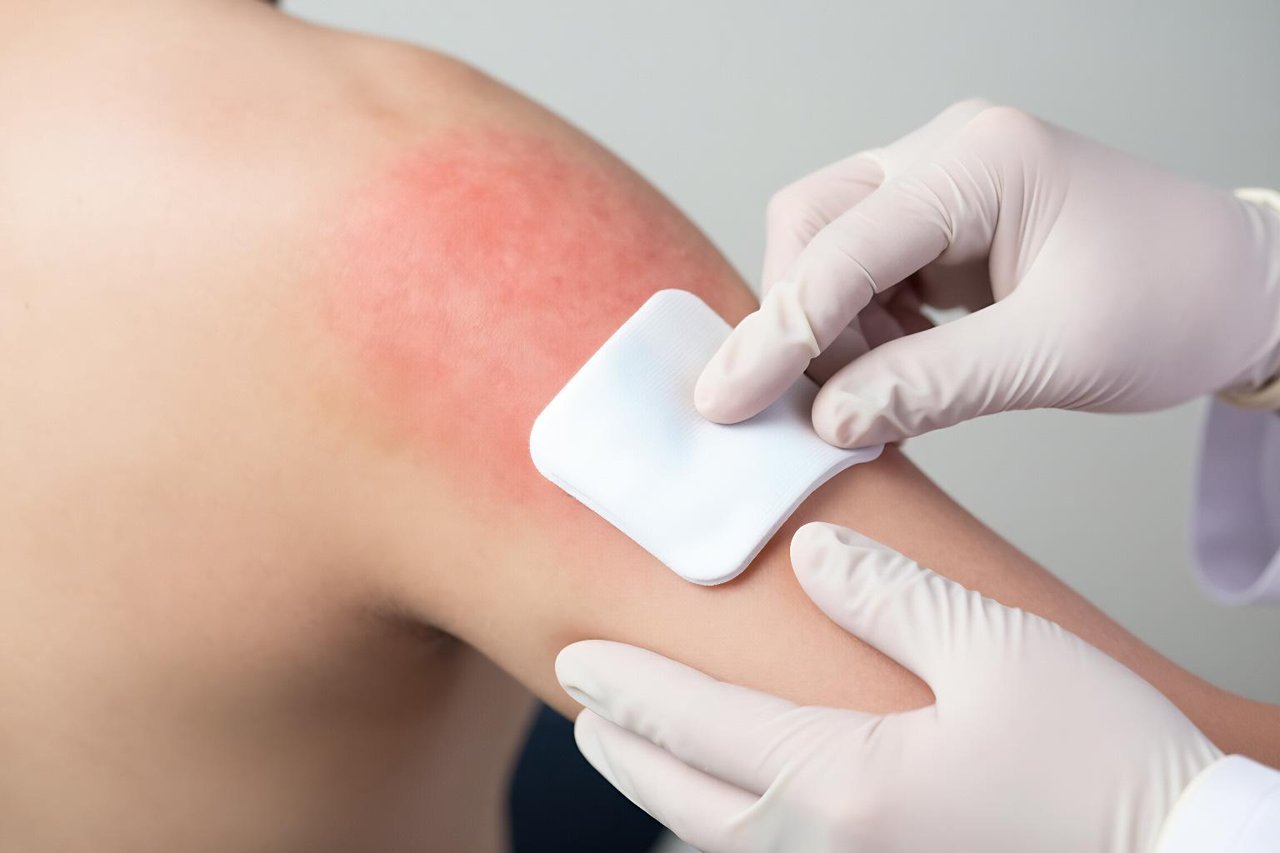
While you are on antiviral medication, the rash still needs careful treatment. Keep the area clean and dry. Cool compresses and colloidal oatmeal baths are time-tested and genuinely helpful. Calamine lotion can soothe itchy spots, but avoid heavy ointments like petroleum jelly because they can trap heat. Wear loose layers made of cotton or linen. If blisters break, cover them with non-stick gauze and change it daily.
- Clean the area gently with mild soap and water once or twice a day.
- Apply a cool, damp cloth for 15 to 20 minutes several times a day.
- Cover broken blisters lightly with sterile, non-stick gauze.
- Use oatmeal baths without fragrance to relieve itching.
- Keep your hands away, and if you touch the area, wash them first.
Don’t tear at blisters. When they pop naturally, wash the area with soap and water, then pat it dry. If you see signs of bacterial infection, such as spreading redness, warmth, or yellowish fluid, you need antibiotics. Our article on skin infection treatment and prevention covers how to spot these complications and avoid making them worse.
When to Call a Doctor
Several situations need immediate attention. If shingles appears on your face, especially the tip of your nose or near your eye, the virus may reach the ophthalmic nerve and threaten sight. Unexplained fever over 101 degrees F, confusion, or the rash spreading outside the original area are also red flags. People taking long-term immune-suppressing medications should be seen as early as possible. That includes treatments like Cosmegen (dactinomycin), which can leave the immune system less able to contain the virus. If you are on high-dose corticosteroids or have had an organ transplant, don’t tough it out at home.
Even if you are not in a high-risk group, a doctor’s visit in the first 72 hours is the difference between a mild case and a rough one. A quick test can tell whether your rash is shingles, contact dermatitis, or something like impetigo.
The Best Treatment Might Be Prevention
Shingrix, the current shingles vaccine, is recommended for adults 50 and older and for those 18 and older with increased risk. It is over 90 percent effective at preventing both shingles and postherpetic neuralgia. Even if you have already had shingles, you should still get vaccinated once your current outbreak heals. Unlike the older Zostavax, Shingrix does not contain live virus, so it is safe for many people with weakened immunity. Two doses, given two to six months apart, produce strong protection that lasts at least 10 years. For more information, ask your pharmacist or doctor. Shingles treatment works, but you might not need it if you are vaccinated.


