
Table of Contents
If you’ve been on a trail and spotted someone glance at their phone, zoom into a map, then confidently call their dog—without pulling on a leash—you’ve probably seen what people call a GPS dog leash. The name sticks, but it can be confusing. Most of the time, it isn’t a leash at all. It’s a petite GPS device that rides on a dog’s collar, letting you follow along through an app while your pet explores.
What Is a GPS Dog Leash (and What Is It Not)
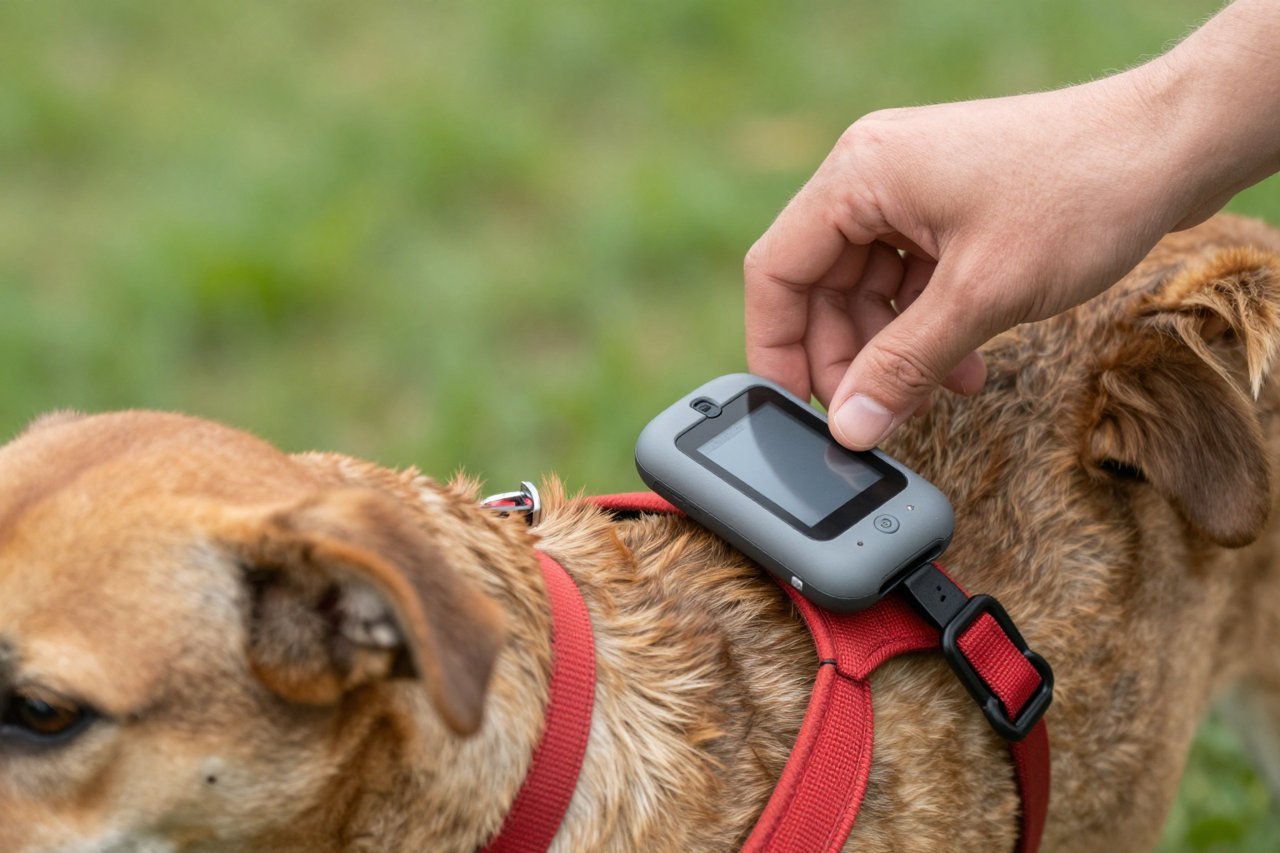
A GPS dog leash is really a tracking product designed for off-leash freedom. It often consists of a plastic GPS module that clips to a collar or harness, plus an app on your phone that shows your dog’s location in real time. The word “leash” comes from the marketing world, because the tool’s purpose is to keep you connected while your dog is physically off the leash.
It does not, in most cases, mean a traditional leash with electronics built into the handle. A leash you hold will track the leash, not your dog. If you want to monitor your dog’s roaming, you need something attached to their body. That’s why so much of the product category involves trackers you mount on a collar. If you’re trying to understand exactly what you’d be purchasing and why a collar is usually the safer bet, this detailed guide to what a GPS dog leash actually includes explains the nuances well.
How GPS Tracking Works in Plain English
Your dog’s tracker does two jobs: figure out where it is, and send that location to your phone. The first job depends on the worldwide GPS satellite system. Each satellite keeps sending time-stamped signals, and a receiver inside the tracker calculates distances to several satellites at once. With four satellites, it can determine longitude, latitude, and even altitude reasonably well.

The second job is about getting that data into your hands. Many cellular trackers use a slot for a nano SIM or an embedded eSIM with a monthly data plan. Think of it as a tiny phone inside the collar. Every few seconds, it uploads a position via the mobile network. If you’re in a canyon or a stretch of mountains with no cell reception, your tracker may still work, but you’ll see the dog’s last known position rather than a live dot moving on screen.
There are alternatives that use Bluetooth or direct radio. Bluetooth only works within about 100 to 300 feet, which is great for finding a lost item in the house but not for open field tracking. Radio systems used by hunters can reach miles without any phone network, though you’ll need a separate receiver. If you want a crystal-clear explanation of GPS, Bluetooth, and radio for dog tracking, a beginner’s guide to tracker technology lays out the differences without burying you in jargon.
The Three Forms You’ll Actually See
When you search for a GPS dog leash online, you’ll mostly run into three product families.
Collar-Attached GPS Trackers
This is the most common style. You buy a small weatherproof device, slide it onto your dog’s existing collar or harness, and pair it with a mobile app. Tractive, Whistle, and Fi are some of the biggest names. Prices range from $50 to $150 at full retail, plus a monthly subscription that usually costs between $8 and $15. Many brands offer discounted two-year plans that knock down the monthly rate.
Smart Harnesses and Built-In Collars
Some companies embed the GPS unit and a rechargeable battery directly into the collar or harness. Fi, for example, makes a collar that looks surprisingly ordinary until you notice the charging point. There’s no dangling module and nothing to snag on bushes. The trade-off comes when the battery begins to wear out. After a few years, you’ll likely need to replace the entire collar rather than swapping out a small component.
Handheld Receiver and Dog Transmitter Systems
Garmin’s Alpha and Astro products work on a radio signal. The dog wears a transmitter box, and you carry a sturdy handheld unit that looks like a GPS hiking device. These systems shine in remote locations where cellular coverage is nonexistent. They can also cost plenty, often $600 to $1,000 or more for a complete setup, but they have no monthly fees.
What a GPS Dog Leash Can Do for You
Live tracking on a map is the headline feature. Depending on the product, the dog’s position might update every 1 to 10 seconds while you’re watching. That makes a huge difference when you’re in a field of tall grass or a foggy forest. You’ll also get breadcrumb history, so you can see where your dog ran earlier in the day.
Many devices let you draw a virtual safe zone, sometimes called a geofence. If the dog leaves that area, you get an alert on your phone. For dogs that take off after deer, this warning can be enough to set off your own chase before the animal gets too far.
A Few Things No GPS Dog Leash Can Do
- It cannot physically keep your dog inside a boundary. A GPS tracker does not deliver a shock or sense the edge of your yard. You’d still need separate training and containment.
- It cannot tell you whether your dog is stuck or hurt. You only get an approximate location, not video or a live microphone.
- It cannot work without power. Live tracking drains the battery noticeably faster than simple position pings, so you need to plan recharging around your outings.
What It Costs Over Time
People often focus on the sticker price of the tracking device and ignore the recurring expenses. Cellular dog trackers usually require a monthly fee. That can add up to $100 to $300 over a typical two-year service period. Some companies sell a hardware unit cheap but make up for it with a required yearly plan.
If you don’t like paying forever, you’ll want a radio-based system or a satellite communicator. The upfront cost is heavier, but there are no subscriptions. If you’re trying to decide whether a dedicated GPS device makes sense compared to a low-tech Bluetooth tag or a traditional radio e-collar, taking a look at an honest side-by-side comparison can save you from spending on the wrong solution.
What to Check Before Buying: The Essentials
Battery life matters more than the number of features on the box. Most consumer trackers last anywhere from a day to more than a week between charges. The exact figure depends on how often they report a location. Frequent live updates chew through power, while a “check in every five minutes” routine extends it significantly.
Weight is another practical concern, especially for small dogs. A tracker that’s too heavy can cause collar wear and neck strain. Many models weigh between 35 and 80 grams. For a Yorkshire terrier or a miniature dachshund, you’ll want something under 40 grams, ideally mounted to a harness.
You should also check the coverage area. A 4G tracker with a cheap monthly plan is worthless if you live deep in rural country with weak cellular towers. Satellite-enabled trackers and radio-based systems are more robust in those places, but they cost more upfront.
Real-World Limitations That Might Surprise You
No GPS system is perfect, and you’ll run into quirks that can make you think the device’s faulty. Urban canyons with tall buildings can block or reflect satellite signals, causing your dog’s dot to hop around. Dense tree cover can also delay accurate positioning. If you watch the dog’s location get stuck for a few minutes, it might simply need time to regain a satellite lock.
Another surprise is that cellular trackers can struggle in popular hiking spots that happen to have dead zones. I know someone who took a tracker into a state park, only to see his dog’s last location from an hour ago while the dog was actually just a few hundred feet away. The tracker kept pinging, but there was no signal to relay it. If you plan to rely on tracking during wilderness trips, you need to understand what coverage looks like where you’ll roam. Learning from issues like these can help you avoid frustration later.
Your Next Step: Test It Before You Trust It
Here’s the most direct advice a beginner can follow: take the GPS dog leash for a real experiment before you rely on it in a dangerous situation. Start in a fenced, familiar space. Check how long the battery lasts with live tracking on, then see how accurately the map follows your dog’s movements. Let your dog enter a shed or a thick cluster of bushes and watch what happens when the GPS signal gets temporarily blocked.
That hands-on test will teach you more than any spec sheet. If you discover that the app consistently puts your dog in the wrong spot, it could be a placement issue. Maybe the tracker is bouncing against the collar or too buried under thick fur. Some dogs need the device on a harness rather than a collar for a more stable GPS signal.
Once you have the unit in hand, don’t guess your way through setup. Following a step-by-step field guide for GPS dog leashes can help you set up the subscription, pair the collar, and rehearse your first real off-leash walk without small panic attacks every time the dog disappears behind a hill.
And if you’ve already tried a tracker and felt like it was leading you in circles, you’re not alone. Many first-time users run into the same traps: mounting the tracker improperly, ignoring battery drain signs, or expecting updates in weak-signal zones. A quick look at the six most common GPS dog leash mistakes explains what’s actually going wrong when your device seems to fail you.
Get comfortable with the basics first. Once you’ve practiced in a safe park and learned your dog’s typical running pattern, a GPS dog leash becomes less of a gadget and more of a quiet reassurance at the back of your mind. There’s nothing magical underneath the plastic shell—just a small radio receiver, a tiny network modem, and a battery that wants you to stay aware of where your companion runs.


