
Table of Contents
Superfoods. The word gets thrown around a lot, usually on glossy packaging and influencer accounts. But the real story is more interesting than a marketing buzzword. Some foods genuinely are packed with nutrients that support your body in measurable ways. Not all of them live up to the label, but a handful absolutely do. This guide cuts through the noise and looks at which superfoods are worth your grocery budget, how to eat them without making yourself miserable, and what the latest research actually says.
What Makes a Food a Superfood?
There’s no official definition, and the term isn’t regulated. In the 1990s, it was used to describe foods with extraordinary health benefits, but now it’s mostly a marketing label. That said, the foods we call superfoods tend to share a few traits: they’re unusually high in vitamins, minerals, antioxidants, or other bioactive compounds, and they have a body of research showing specific health effects.
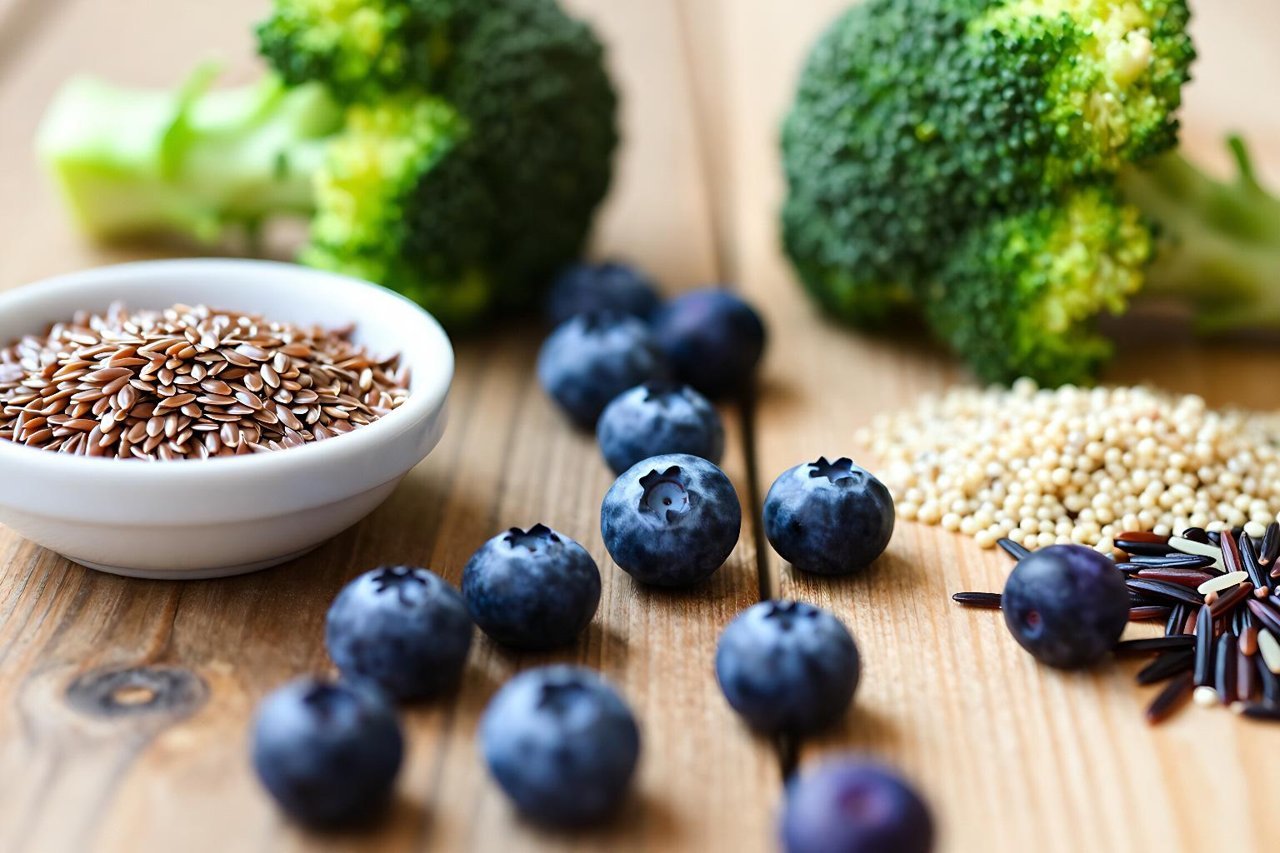
Take blueberries, for example. They’re a superfood because they’re loaded with anthocyanins, the pigments that give them their deep blue colour. These compounds have been linked to better memory, lower blood pressure, and reduced inflammation. But the label isn’t limited to exotic imports – broccoli, oats, and eggs are superfoods in their own right.
The Superfoods That Actually Earn the Name
Here are the ones that consistently show up in peer-reviewed studies with meaningful results.

Berries: Nature’s Antioxidant Punch
Blueberries, strawberries, raspberries, blackberries – they’re all good, but blueberries are the most studied. A 2019 study from the University of Reading found that eating the equivalent of one cup of blueberries a day improved cognitive function in older adults. Another study, published in the American Journal of Clinical Nutrition, showed that daily blueberry consumption improved vascular function in healthy adults.
The key is anthocyanins, which give berries their vibrant colours. They also have a relatively low sugar load for fruit, so you can eat a generous serving without spiking your blood sugar. Frozen berries are just as good as fresh because they’re picked at peak ripeness and flash-frozen within hours.
Cruciferous Veggies: Broccoli and Friends
Broccoli, kale, Brussels sprouts, and cauliflower are packed with sulforaphane, a compound that has shown powerful anti-inflammatory and anti-cancer properties in laboratory studies. Sulforaphane seems to help the body clear carcinogens and may even trigger cancer cell death in some models.
The research is especially interesting when it comes to broccoli and cancer prevention. A recent study from Oregon State University found that sulforaphane could target cancer stem cells in a way that chemotherapy doesn’t. We cover that in more detail in our deep dive on broccoli and cancer prevention.
One note: to get the most sulforaphane from broccoli, chop it and let it sit for 10 minutes before cooking. That allows the enzymes to activate. And steam or stir-fry rather than boiling, which washes out water-soluble nutrients.
Seeds That Deserve the Hype
Seeds are tiny but mighty. Chia seeds, hemp seeds, and flaxseeds are all loaded with fibre, plant-based omega-3s, and lignans. Flaxseeds, in particular, have been shown to support hormone balance and heart health. If you want to know exactly how they work, here’s a full breakdown of flax seeds benefits for men and women’s health.
The tricky thing about seeds is that your body can’t break down their tough outer shells. Whole flaxseeds tend to pass right through you. So buy ground flaxseed or run them through a coffee grinder, and keep them in the fridge to prevent rancidity.
Ancient Grains That Punch Above Their Weight
Most of us eat processed white rice or wheat, but whole grains like quinoa, amaranth, and wild rice offer more fibre, protein, and micronutrients. Wild rice isn’t actually rice – it’s a grass seed, and it has twice the protein and more magnesium than brown rice. There are plenty of wild rice health benefits and uses, and it’s a great base for grain bowls, soups, and salads.
Quinoa is another good one. It’s one of the few plant foods that contains all nine essential amino acids, making it a complete protein. It’s also high in magnesium and phosphorus, which are important for bone health and energy production.
How to Eat More Superfoods Without Going Broke
You don’t need to buy expensive powders or exotic “superfruits” from the Amazon. The most powerful superfoods are often common and cheap. Here’s a shopping list you can stick to:
- Frozen blueberries – often cheaper than fresh, and just as nutritious.
- Ground flaxseed – a spoonful on yogurt or oatmeal gives you fibre and omega-3s.
- Broccoli – buy frozen for stir-fries or fresh for roasting.
- Wild rice – a bag goes a long way and it keeps well.
- Eggs – they’re often called the original superfood, with high-quality protein, choline, and vitamins.
Another tip: don’t forget spices. Turmeric, ginger, cinnamon, and garlic are incredibly nutrient-dense in small amounts. Turmeric’s curcumin has been studied for its anti-inflammatory effects, and a pinch of black pepper dramatically increases its absorption.
The Science Bit: What Researchers Are Actually Finding
The term “superfood” is still a bit fuzzy, and some researchers have pushed back on it. A 2021 review in the Journal of Functional Foods looked at the antioxidant capacity of dozens of foods and found that a few stand out: watercress, Chinese cabbage, and beetroot all scored higher than some exotic berries. The point is that you don’t need to chase trends. Common foods can be superfoods too.
There’s also a myth that superfoods work because of one magic compound. But nutrition is more complex than that. The synergy of fibre, polyphenols, vitamins, and minerals in a whole food is probably what matters most, not isolated extracts. That’s why a handful of broccoli is better than a supplement of sulforaphane.
It’s also worth being skeptical of marketing claims. Many products labeled “superfood” are just regular food with a higher price tag. The best long-term strategy is to eat a wide variety of whole plant foods, which will naturally give you the benefits that superfoods are known for.
A Simple Day of Superfoods
If all this feels overwhelming, here’s a rough day of eating that fits in several superfoods without any complicated recipes:
Breakfast: overnight oats with frozen blueberries, a spoonful of ground flaxseed, and a dollop of Greek yogurt.
Lunch: a salad with mixed leaves, roasted broccoli, chickpeas, a handful of walnuts, and a simple olive oil and lemon dressing.
Snack: an orange and a small handful of almonds.
Dinner: grilled fish with wild rice and steamed spinach.
That’s not a strict meal plan – it’s just an example of how a few easy swaps add up. You could easily swap the oats for a smoothie, or the salad for a grain bowl with cruciferous veggies. The idea is to build a pattern, not follow a prescription.
Making Superfoods Work for You
The real power of superfoods isn’t in any single food. It’s in the pattern of eating them regularly. A handful of blueberries three times a week is better than a giant dose once a month. Load up your plate with at least half vegetables or fruit, and add seeds and whole grains where you can. Your body will do the rest.


