
[ad_1]
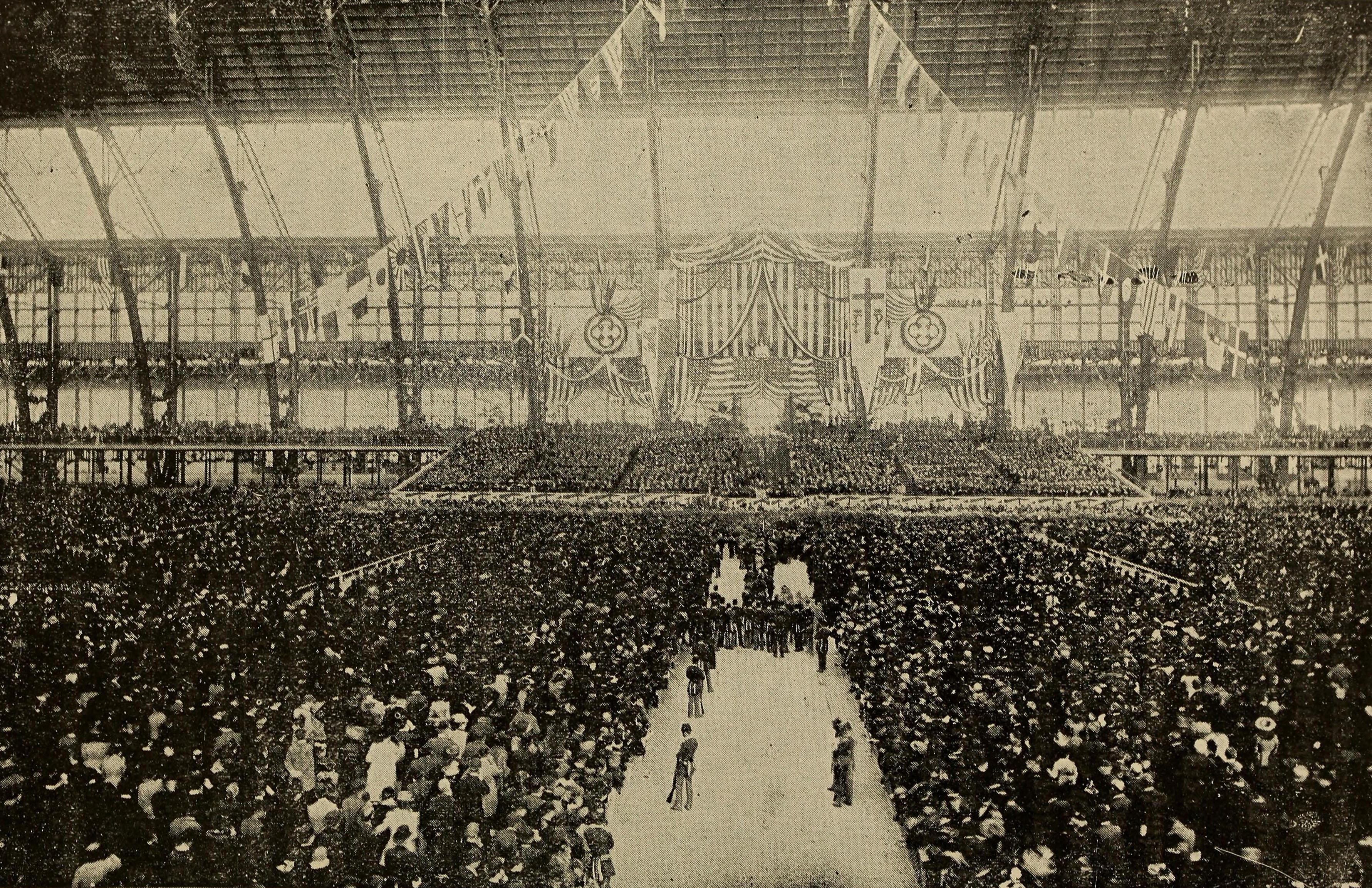
On May 1, 1893, Chicago was abuzz. Two hundred thousand people jostled for a glimpse of the brand new city within the city, the so-called “White City.” Dignitaries, civic leaders, and politicians had all traveled far and wide to attend the day’s spectacle. Even President Grover Cleveland joined the festivities.
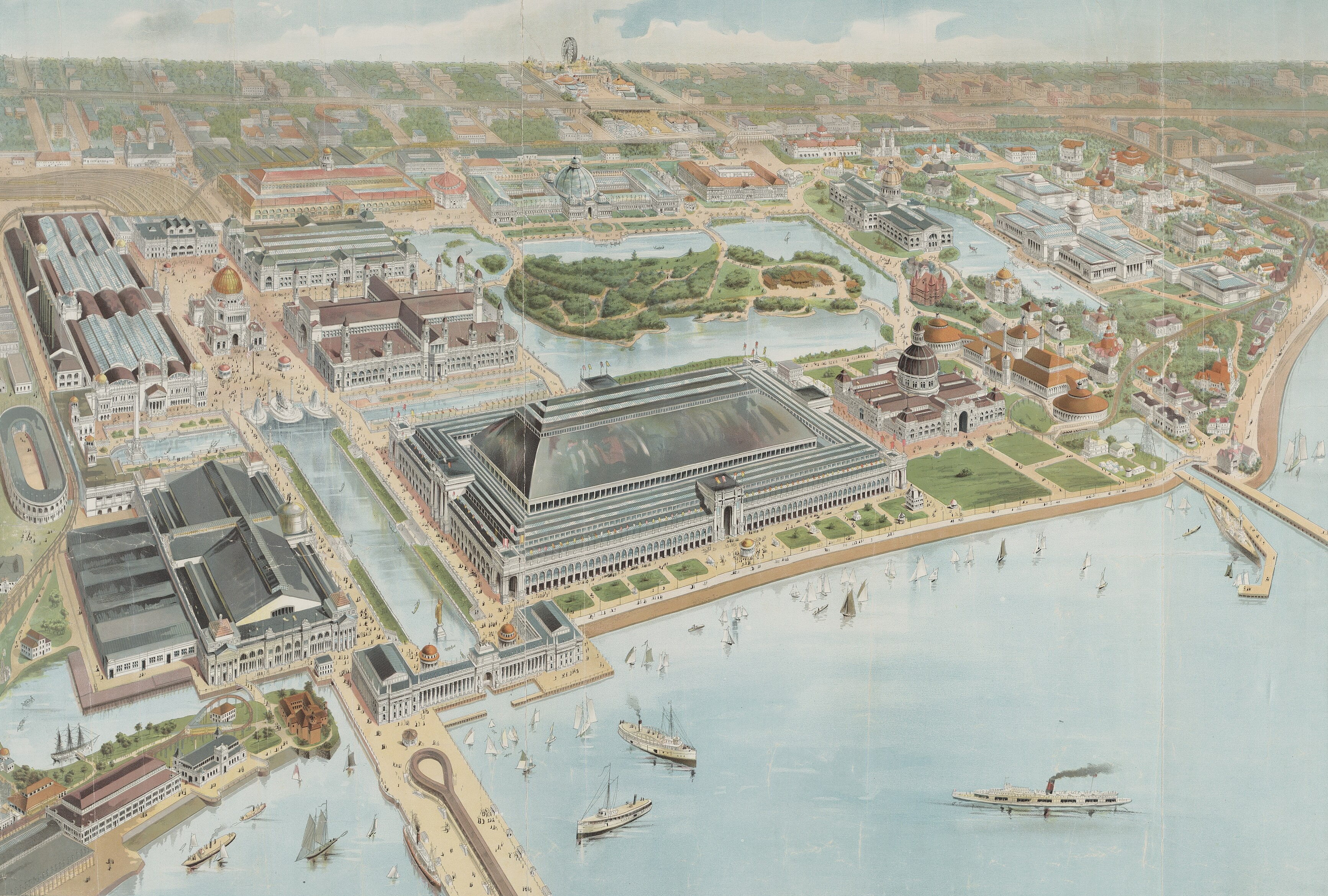
After President Cleveland gave a triumphant speech about American progress, he pressed a single golden telegraph key at exactly 12:08 p.m.—a small act that ushered in the “electric age,” The Salt Lake Herald later reported. “President Cleveland, by pressing a button, started the mighty machinery, rushing waters and revolving wheels” throughout the massive complex of buildings that covered more than 630 acres. The 1893 World’s Columbian Exposition in Chicago was officially open to the public!
Often referred to as the Chicago World’s Fair, the World’s Columbian Exposition was full of firsts—the first Ferris wheel, the first commercial movie theater, the first large-scale use of electric lights, the first automatic dishwasher, even the first brownies.
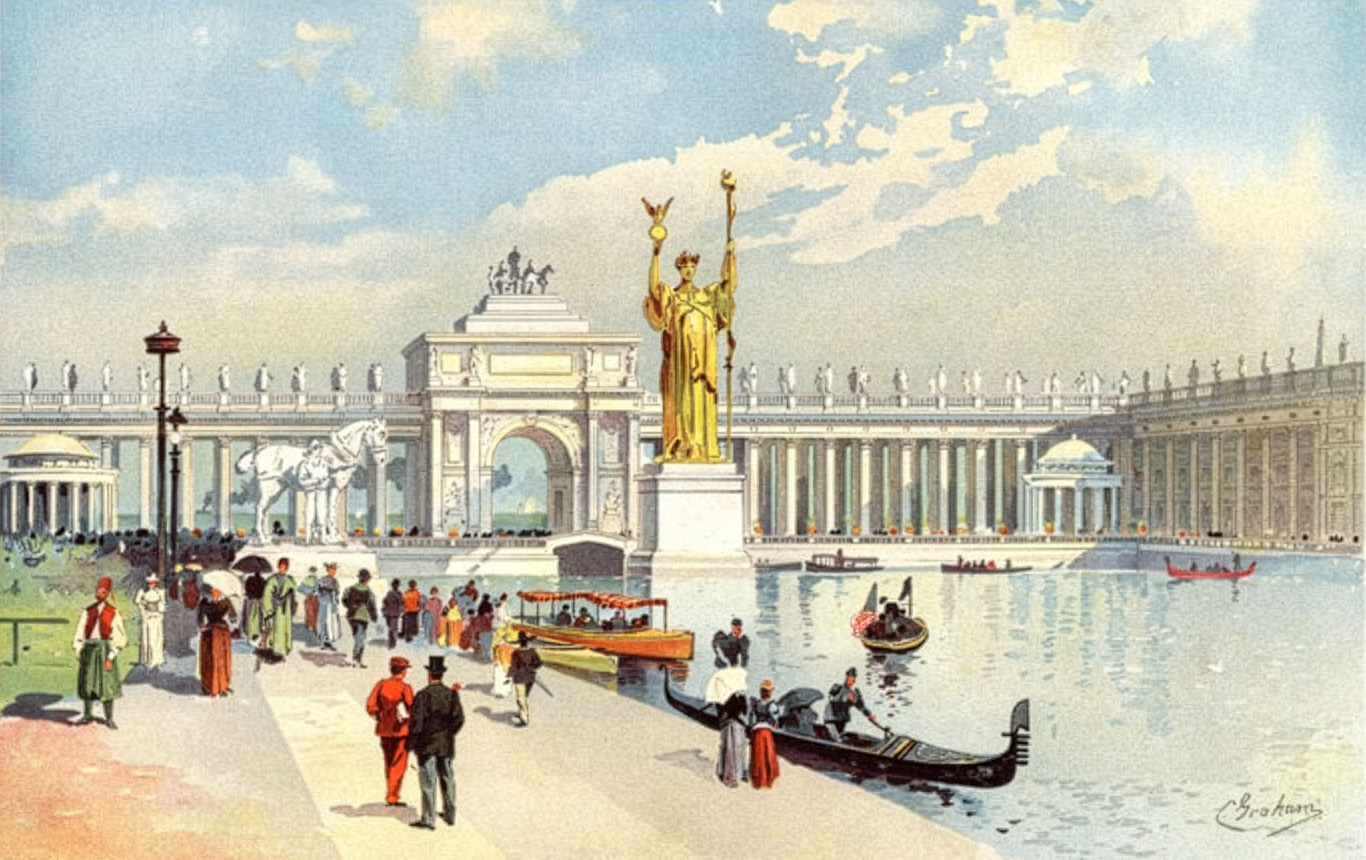
Today, little remains of the fair that changed history. Chicago’s main art museum, the Art Institute of Chicago, was the only permanent building built for the fair. Some of the fair’s buildings were later rebuilt, such as the stunning Palace of Fine Arts that today houses the Museum of Science and Industry. In Jackson Park, where much of the fair occurred, all that’s left from 1893 is a small, wooded island and a 24-foot replica of the Statue of the Republic. Both of which many people pass daily without knowing their full importance or ties to one of history’s most impressive spectacles.
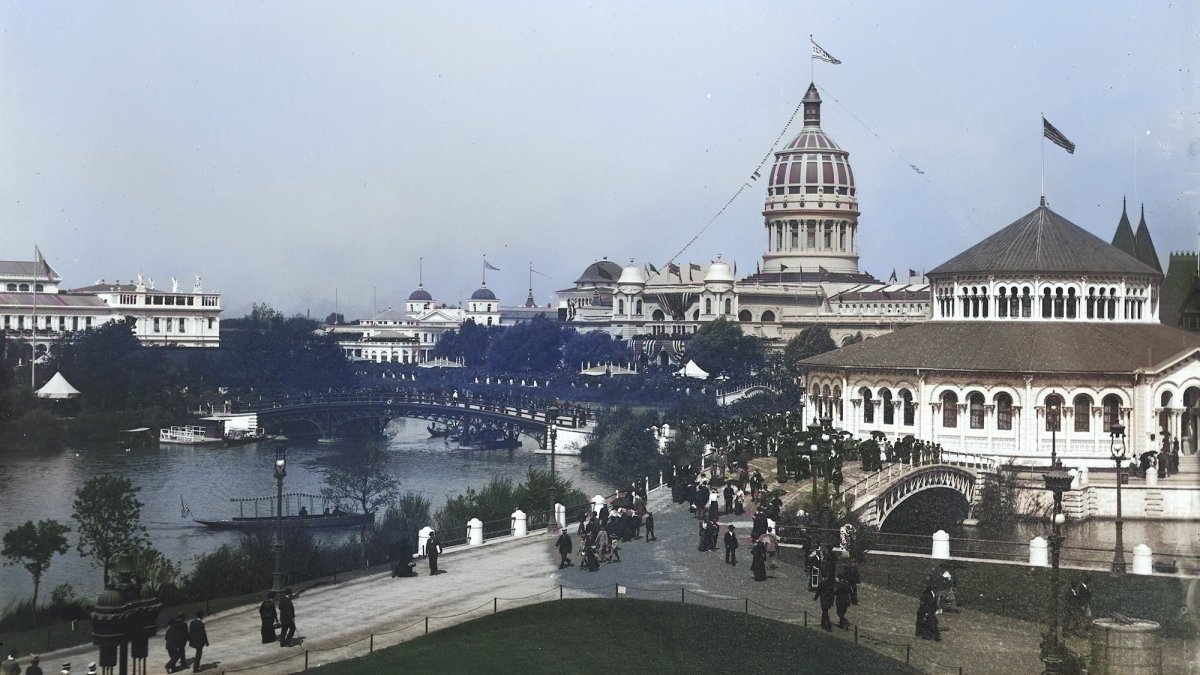
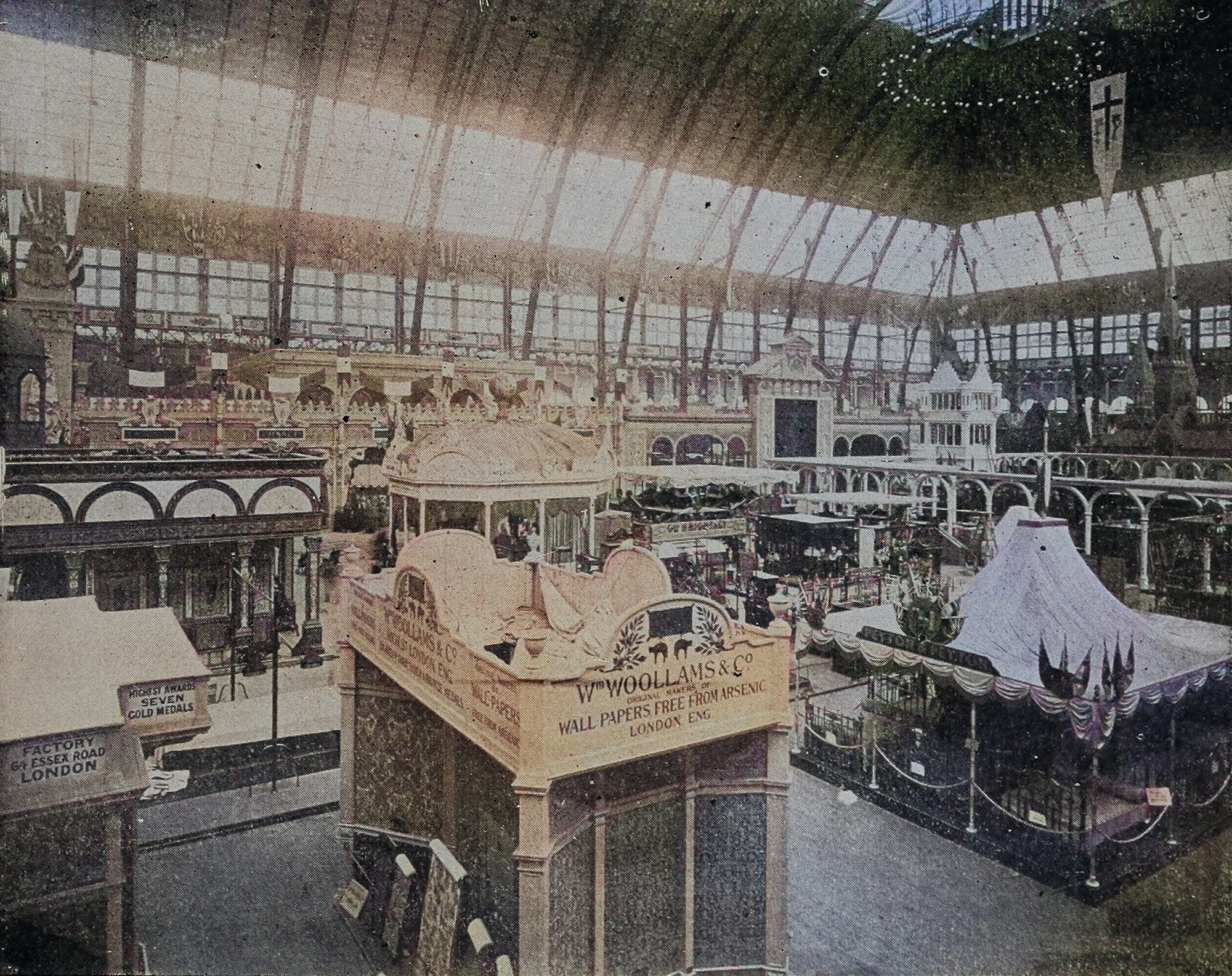
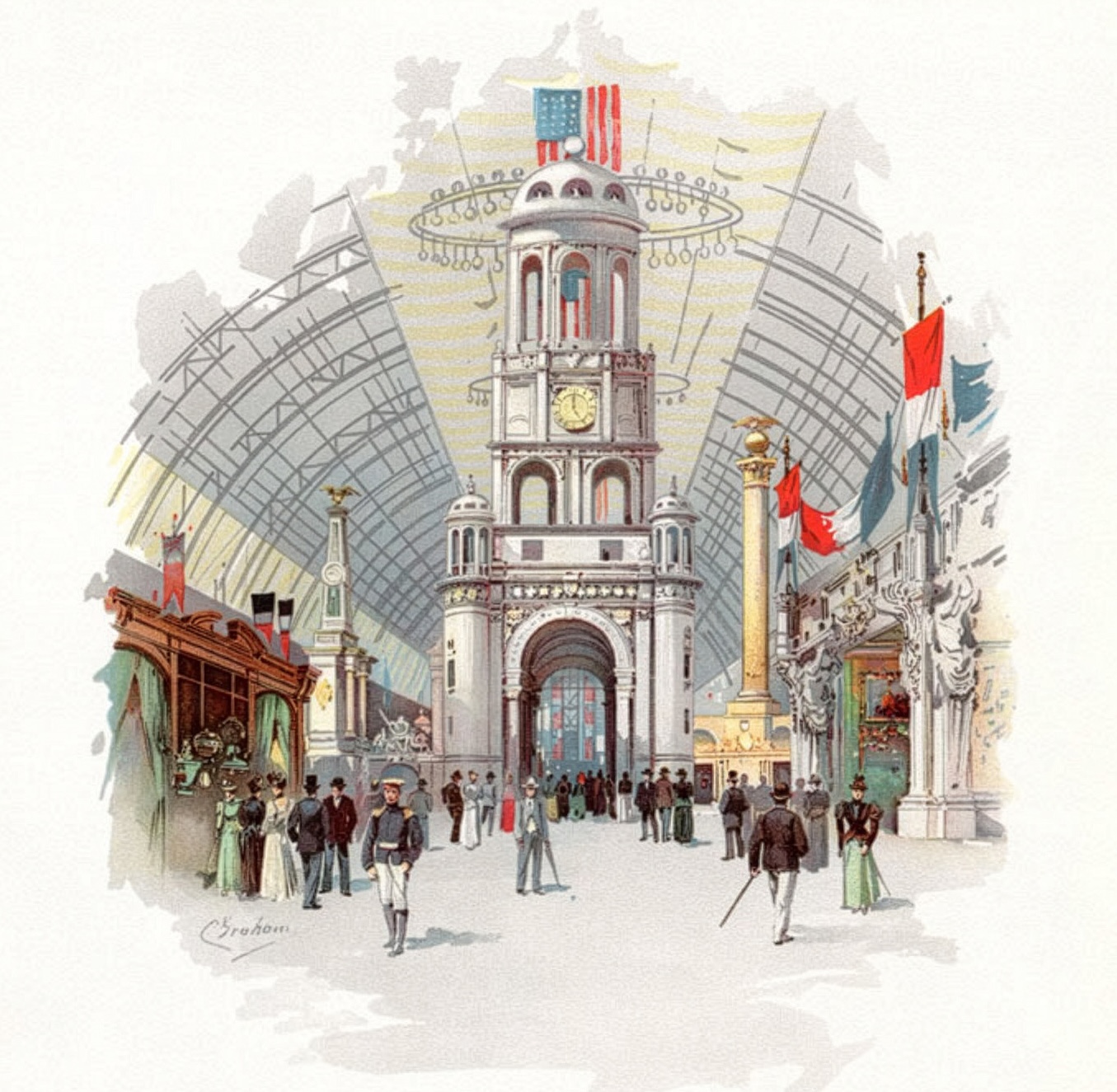
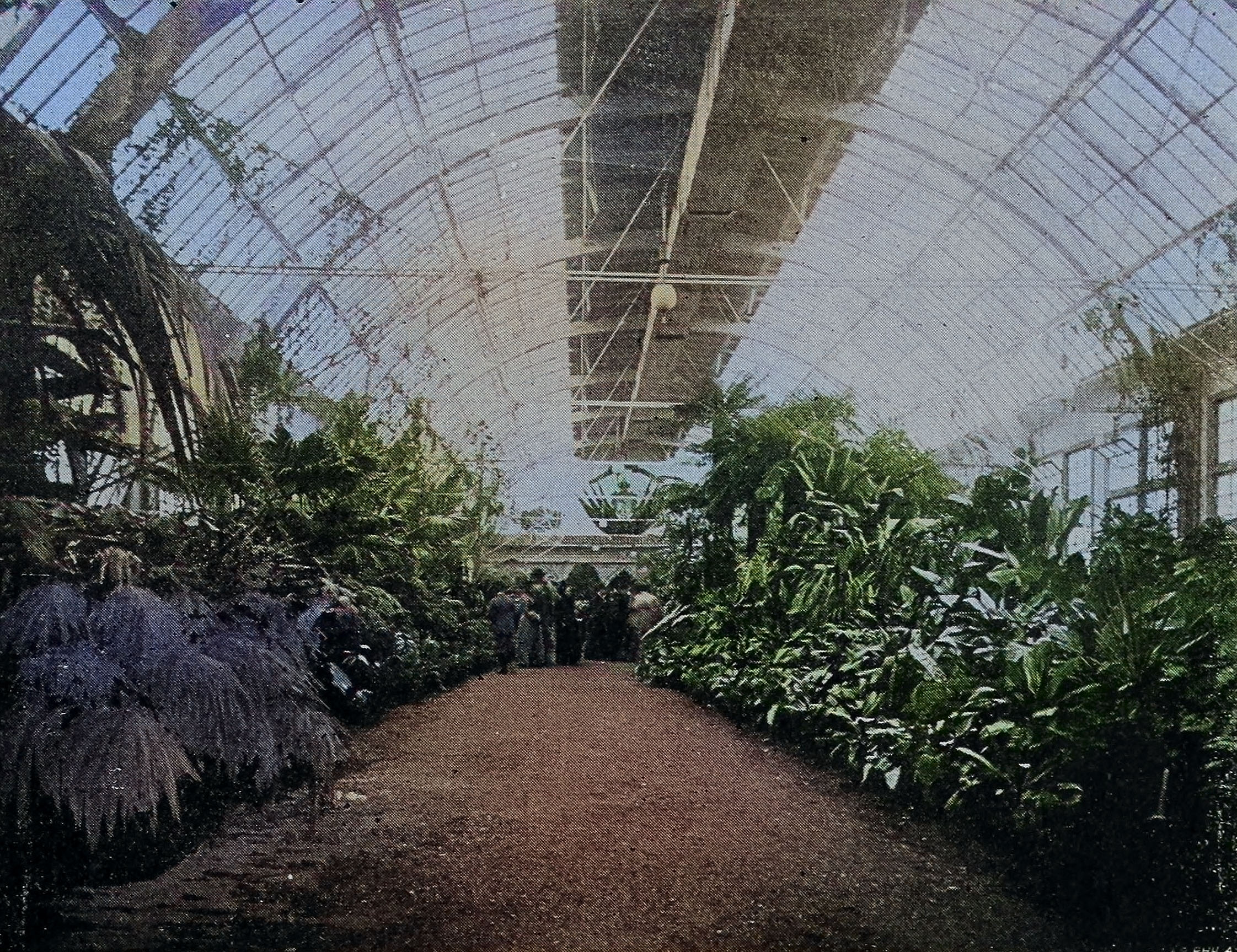
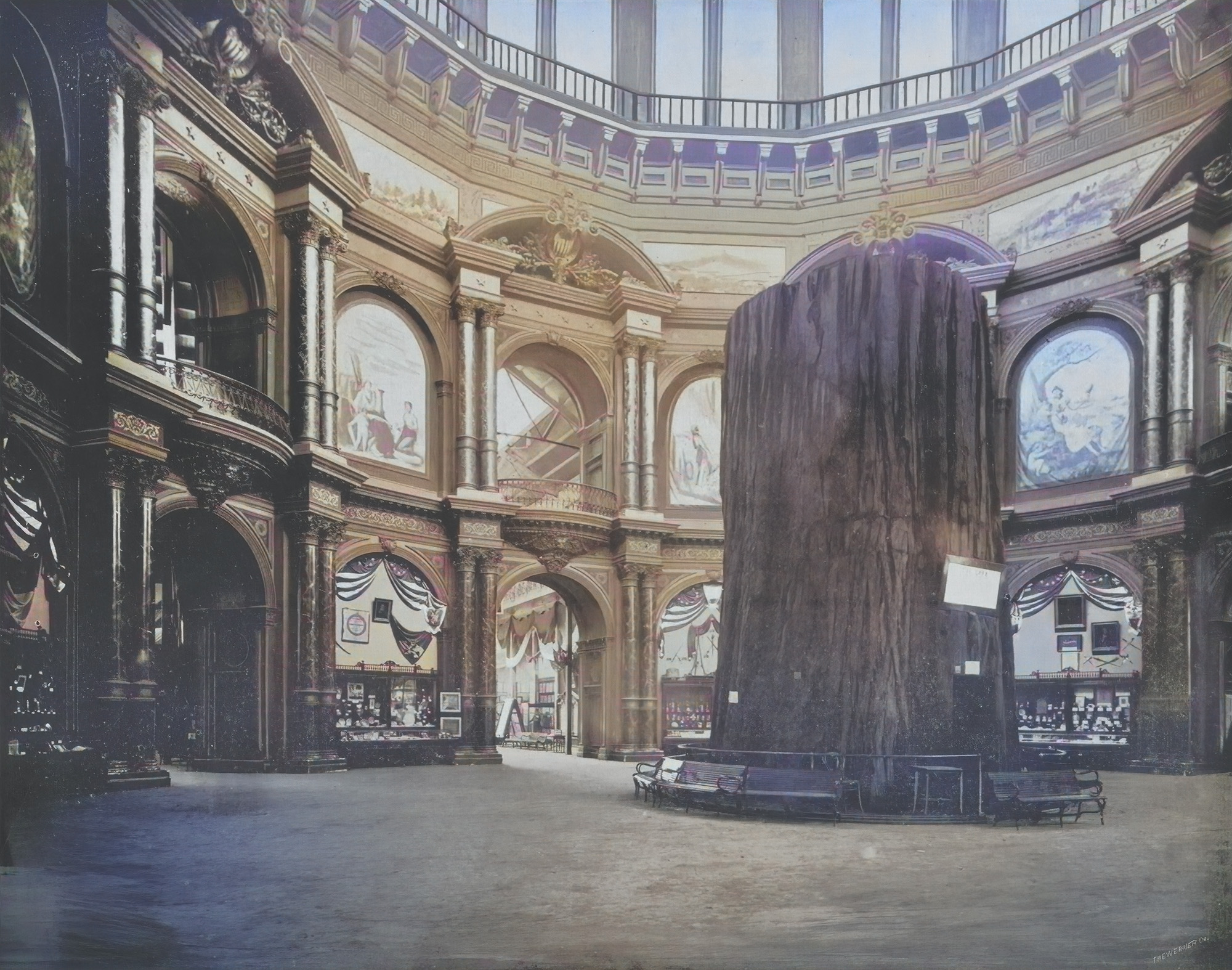
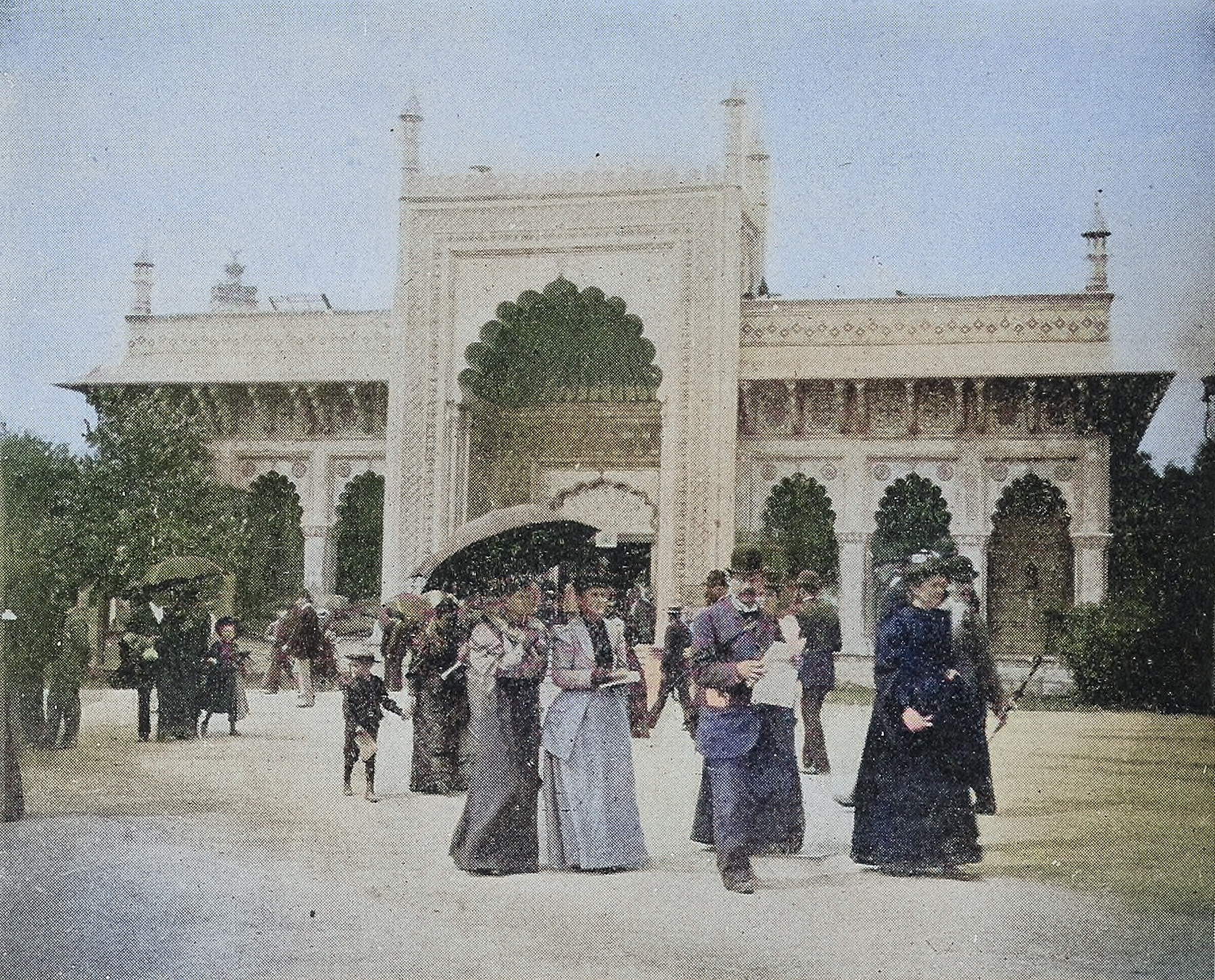
Despite this, the fair’s legacy continues in small ways; every time you turn on the lights, use a zipper, or even have a piece of Juicy Fruit gum. And then there’s the photos. These rare, colorized images (click to expand images to full screen) of the 1893 World’s Columbian Exposition help us imagine the true scale of the Chicago fair that changed history.

2025 PopSci Best of What’s New
[ad_2]
Source link


