
Table of Contents
Hyaluronic acid serum has become a staple in skincare routines worldwide, and for good reason. This ingredient can hold up to 1,000 times its weight in water, making it one of the most effective hydrators available. But with so many options on the market, it’s easy to feel overwhelmed. This guide breaks down everything you need to know—from how hyaluronic acid works to how to layer it for maximum results.
What Is Hyaluronic Acid and How Does It Work?
Hyaluronic acid (HA) is a substance naturally produced by your body. It’s found in your skin, joints, and eyes, where it acts as a lubricant and cushion. In skincare, HA is a humectant—it draws moisture from the environment into your skin. Think of it as a sponge that pulls water to the surface, keeping your skin plump and hydrated.
One critical detail: not all HA is created equal. The molecule size matters. Large molecules sit on top of the skin, creating a protective film. Smaller molecules can penetrate deeper, hydrating from within. Many serums combine different molecular weights for multi-layer hydration. For example, a serum like this $40 hyaluronic acid serum uses a blend of sizes to target multiple layers of the skin.
Benefits of Hyaluronic Acid Serum
Using a dedicated HA serum can transform your skin. Here are the key benefits:

- Intense hydration: A single application can increase skin moisture content significantly. Studies show HA can improve hydration by up to 40% in just a few weeks.
- Plumps fine lines: Dehydrated skin makes wrinkles more visible. By filling cells with water, HA reduces the appearance of fine lines and crow’s feet.
- Strengthens the skin barrier: Well-hydrated skin is more resilient against environmental stressors like pollution and UV rays.
- Suitable for all skin types: HA is non-comedogenic and gentle, making it ideal for oily, dry, sensitive, and acne-prone skin.
- Boosts other products: When applied to damp skin, HA helps serums and moisturizers absorb better. Pairing it with a vitamin C serum can amplify brightening and antioxidant effects.
How to Choose the Right Hyaluronic Acid Serum
Not every HA serum works the same. Consider these factors when shopping:
Molecular Weight
Look for serums that list multiple forms of HA, such as sodium hyaluronate, hydrolyzed hyaluronic acid, or HA of different molecular weights. This ensures hydration at every level of the skin.
Concentration
More isn’t always better. A 1–2% concentration is effective for most people. Higher percentages can feel tacky or pill under makeup. Check the ingredient list—HA should be in the top half.
Formulation
A good serum includes other humectants like glycerin or panthenol, plus barrier-supporting ingredients like ceramides. Avoid formulas with drying alcohols or heavy fragrances if you have sensitive skin.
Texture
HA serums range from watery gels to thicker creams. Choose based on your skin type: lightweight gel for oily skin, richer texture for dry skin. The RoC Hydra+ Hyaluronic Serum Stick offers a solid, portable option that’s great for travel.
How to Apply Hyaluronic Acid Serum for Best Results
Application technique can make or break the benefits. Follow these steps:
- Start with damp skin: Apply HA serum right after cleansing, while your face is still slightly damp. This gives the HA water to pull from, rather than drawing moisture from deeper layers.
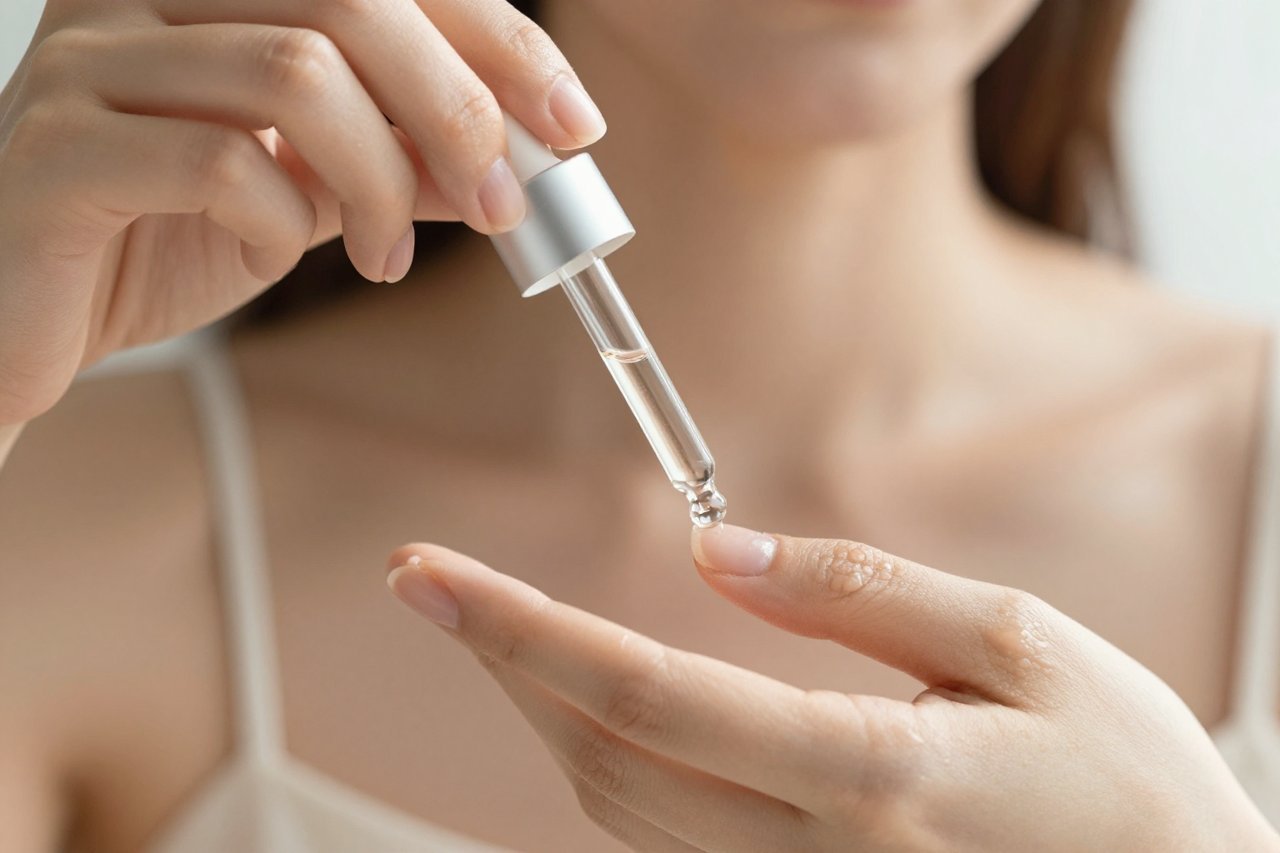
- Use the right amount: 3–4 drops is enough for your face and neck. Gently press into skin, don’t rub.
- Layer correctly: HA goes on before heavier creams but after water-based treatments. If you’re using multiple serums, apply thinnest to thickest. For example, use a face serum guide to determine the ideal order.
- Seal it in: Follow with a moisturizer containing occlusives like squalane or shea butter to lock in the hydration. Without this step, HA can evaporate and leave skin drier.
- Use twice daily: Morning and evening application maximizes benefits. In the morning, follow with sunscreen.
Common Mistakes to Avoid
Even a great serum can backfire if used wrong. Here are pitfalls to sidestep:
- Applying to dry skin: Without water, HA pulls moisture from your skin, causing dehydration. Always apply to damp skin.
- Skipping moisturizer: HA is a humectant, not an occlusive. Without a moisturizer, the water can evaporate.
- Using too much: Excess HA can pill or feel sticky. Stick to a few drops.
- Ignoring pH: HA works best at a pH around 5–6. Some cleansers or acids can disrupt this, so wait a few minutes after exfoliating.
Can You Use Hyaluronic Acid with Other Active Ingredients?
Absolutely. HA plays well with most ingredients. For a morning routine, pair it with vitamin C for antioxidant protection. At night, combine with retinol—HA counteracts potential dryness. You can also layer it with niacinamide or peptides. One unique option is this dewy-skin serum that blends HA with peptides and ceramides for added glow.
Real Results: What to Expect and When
Hydration improves immediately after application, but visible plumping of fine lines takes consistent use. Most people see noticeable differences within 2–4 weeks. For deeper wrinkles, results may take 2–3 months. One user reported after trying Medik8’s Exo-PDRN Prismatic+ serum for 3 months that fine lines around the eyes softened significantly. Consistency is key.
Hyaluronic Acid Serum for Different Skin Types
Oily skin: Choose a lightweight, gel-based HA serum. It hydrates without adding grease. Avoid thick creams.
Dry skin: Look for HA combined with glycerin, ceramides, or squalane. Apply a rich moisturizer afterwards.
Sensitive skin: Opt for fragrance-free, simple formulas with minimal ingredients. Patch test first.
Acne-prone skin: HA is non-comedogenic and won’t clog pores. It can even reduce irritation from drying acne treatments.
Frequently Asked Questions
Can hyaluronic acid cause breakouts? Rarely. Pure HA is non-comedogenic, but some serums contain pore-clogging additives. Check labels for comedogenic ingredients like isopropyl myristate.
Is it safe during pregnancy? Yes, HA is considered safe for topical use during pregnancy and breastfeeding.
Can I use it under makeup? Yes, but wait 2–3 minutes for it to absorb. It can help foundation glide on smoothly.
Does hyaluronic acid expire? Most serums last 6–12 months after opening. Check the PAO symbol on the bottle. Discard if the color or smell changes.


