
Table of Contents
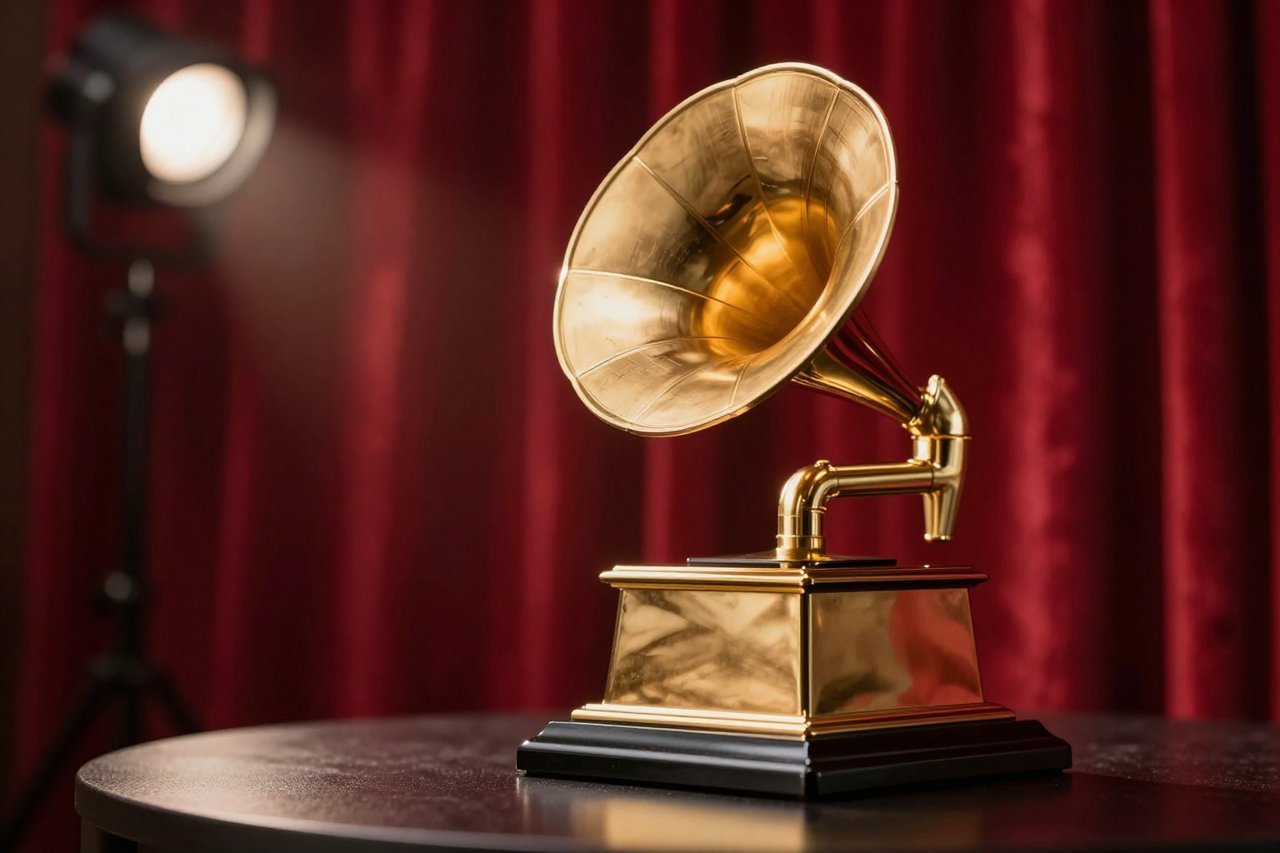
The Grammy Awards have a strange hold on the music world. They’re the longest-running awards show in popular music, and they’ve survived trends, technological upheavals, and more than a few cringe-worthy acceptance speeches. But what exactly happens behind the curtain? And why does a small gold gramophone still carry so much weight?
For artists, producers, and songwriters, a Grammy represents more than bragging rights. It can turn an under-appreciated record into a global phenomenon, double an album’s streams overnight, and push a career from cult status to the mainstream. For the rest of us, it’s a night of televised drama, jaw-dropping performances, and the occasional scandal that dominates social media for weeks.
A Night That Started Small: The History of the Grammy Awards
The first Grammy Awards ceremony took place on May 4, 1959, at the Beverly Hilton Hotel in Los Angeles. It was a modest affair compared to today’s multi-million-dollar production — no live television, no giant stage, just a banquet for a few hundred industry insiders. There were only 28 categories, and the winners were simply listed in a press release.
The very first Album of the Year went to Henry Mancini’s The Music from Peter Gunn, while Domenico Modugno’s Italian hit “Nel blu dipinto di blu” (better known as “Volare”) won both Record of the Year and Song of the Year. It was a promising start for an institution that would grow to include over 80 categories and roughly 13,000 voting members.

The Grammy Hall of Fame
One lesser-known piece of Grammy history is the Grammy Hall of Fame, established in 1973. It honors recordings of lasting artistic or historical significance, from Chuck Berry’s “Johnny B. Goode” to Frank Sinatra’s “I’ve Got You Under My Skin.” If you’re a serious music fan, digging through that list is like finding a treasure map of the last seven decades.
How a Grammy Is Won: The Voting Process
Unlike some awards that rely on commercial sales or a small panel, the Grammys are determined by the members of the Recording Academy. These are musicians, producers, engineers, and other creative professionals. They vote through a two-round process that aims to balance popularity with technical merit — though, of course, it doesn’t always succeed.
Who Votes for the Grammys?
Any professional who has been active in the industry for at least five years and has a certain number of credits can apply for membership. That includes vocalists, instrumentalists, conductors, producers, mixers, and even writers. As of the 2020s, the Academy has made an effort to diversify its membership, but older demographics still dominate in many genre-based branches.
The Nomination and Final Rounds
First, members submit entries in the categories where they specialize. The top twenty or so candidates move to a nomination voting round, where the entire membership votes across all genre categories. The final round then picks the winners from a shortlist of five — or eight, in some categories like Album of the Year. It’s a system designed to give equal weight to quality and familiarity, but it also allows for shocking upsets and frustrating snubs.
More Than the Big Four: Understanding Grammy Categories
Everyone talks about the General Field: Album of the Year, Record of the Year, Song of the Year, and Best New Artist. But the Grammys go far deeper. There are craft awards for engineering, arrangement, and album notes, plus dozens of genre-specific categories spanning classical, jazz, country, Latin, R&B, rock, and more.
That’s where the real gridlock often happens. Consider some of the most talked-about categories:
- Album of the Year — the only prize where every contributing artist and producer receives a trophy.
- Best Rap Album — a category with a history of controversial snubs and overdue wins.
- Best New Artist — famously gifted to star-makers like The Beatles, Alicia Keys, and Adele before they became icons.
- Best Engineered Album, Non-Classical — the nerdy corner that sound engineers actually care about.
Because each genre has its own branch, some categories have just a handful of eligible artists. That quirk means you occasionally see a winner with a relatively small fan base, which is part of the charm — and the confusion.
Record Breakers and Grammy Royalty
No one embodies the Grammy’s weird mix of classical prestige and pop stardom more than Beyoncé. With 32 wins as of 2024, she has officially eclipsed conductor Georg Solti’s long-standing record of 31 trophies. It took Beyoncé over two decades of consistent hits, surprising collaborations, and boundary-pushing visual albums to get there.
She’s not alone in the pantheon. Quincy Jones has 28 Grammys, classical singer Alison Briel crossed the 30-win mark, and Taylor Swift became the first artist to win Album of the Year four times. The records keep falling, and each one sparks its own debate about legacy and representation.
Drama, Snubs, and the Moments We Can’t Forget
For all its polish, the Grammy ceremony has produced some unforgettable train wrecks. Kanye West storming the stage during Taylor Swift’s 2009 acceptance speech is still the most replayed moment in awards show history. In 2014, Macklemore & Ryan Lewis won Best Rap Album over Kendrick Lamar’s good kid, m.A.A.d city — a decision so controversial that Macklemore later apologized to Kendrick in a text message.
The 2020s also brought a reckoning with the industry’s lack of diversity. The #GrammysSoWhite campaign, sparked by 2016’s all-white nomination slate in the top categories, pushed the Recording Academy into a serious overhaul of its membership rules. Some artists have carried that anger further, boycotting the ceremony or calling for structural changes. The entertainment industry has a long memory when it comes to exclusion — and you can see the parallels in our coverage of the latest names of celebrities put on blacklist.
Why the Grammys Still Matter
Even with declining television ratings, the Grammys remain a powerful economic engine. A single trophy can boost a record’s sales by a massive margin, and streaming platforms often report a noticeable spike in the hours after a win. The ceremony also gives legends a chance to introduce their music to a younger audience, which is exactly why established icons like Joni Mitchell and the Rolling Stones have returned to the stage in recent years.
But the Grammys are also about the spectacle itself. As our breakdown of award shows explains, the entire viewing experience is built around the same emotional arc: tension, suspense, and a sudden burst of joy or shock. That’s what keeps us watching, even when we’ve never heard the winning song.
The business side is just as important. The weeks of red carpet coverage, acceptance speech analysis, and controversy updates feed the broader ecosystem of celebrity journalism — a prime example of why entertainment news isn’t just gossip: it’s a multi-billion-dollar industry of relationships, endorsements, and fast-moving narratives.
When you strip away the glitz, the Grammy Awards are still a snapshot of what the music industry values in a given year. They can be frustrating, unfair, and occasionally tone-deaf. But they can also catapult unknown artists onto the biggest stage in the world, remind us of timeless classics, and give us enough awkward television to talk about until the next big scandal. That’s not a bad track record for a gold-plated trophy.


