
Table of Contents
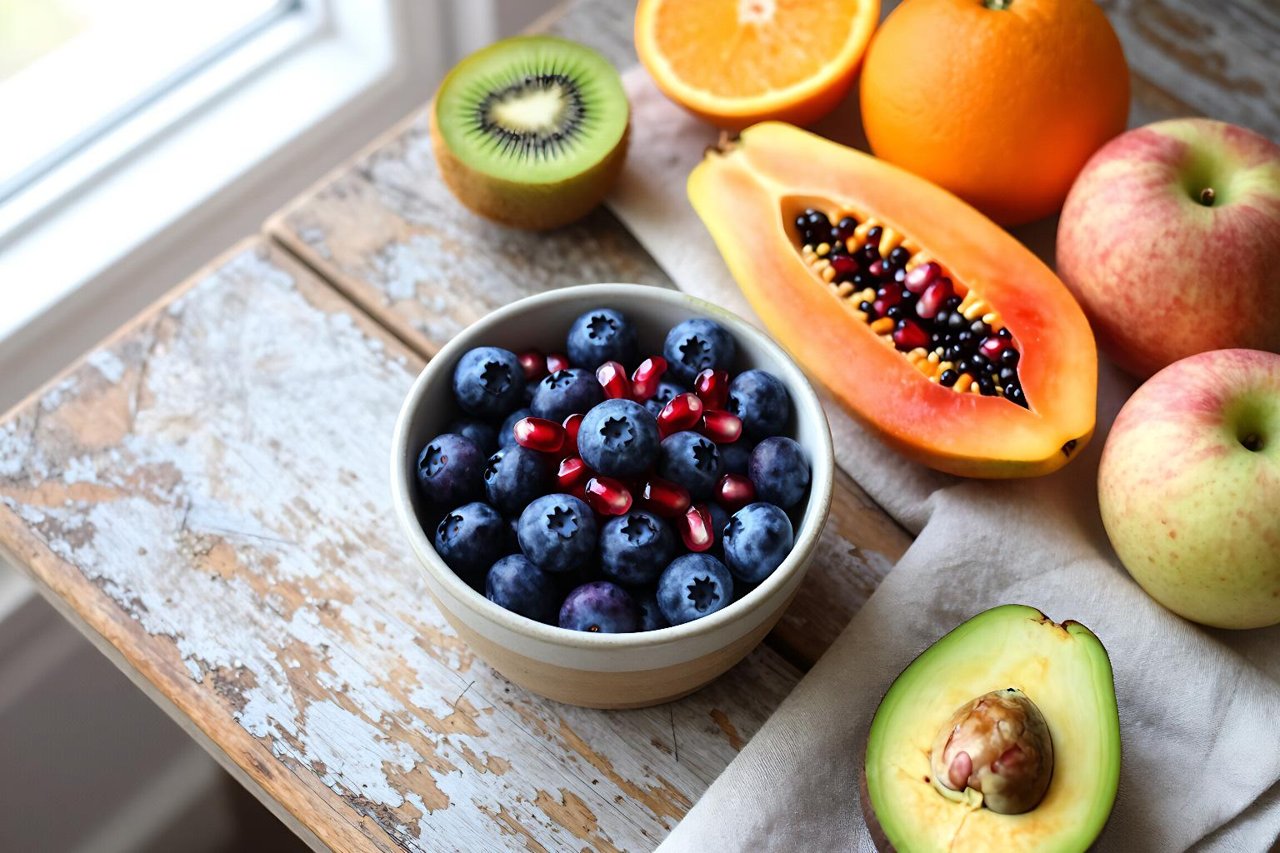
Most people know fruit is good for them. Fewer manage to eat enough of it. If you want a practical short list, the top 7 healthiest fruits to include in your diet are blueberries, avocado, pomegranate, papaya, kiwi, oranges, and apples. That does not mean other fruit is pointless. This list simply highlights fruits that deliver a lot of nutrition per bite.
Fruit gives you fiber, potassium, vitamin C, folate, and hundreds of plant compounds that support heart health, digestion, and immune function. Whole fruit is the package to aim for. A sliced orange beats orange candy; a handful of frozen berries stirred into yogurt beats a berry-flavored muffin. If mornings are rushed, these healthy breakfast food ideas can help you build fruit into the first meal without much effort.
1. Blueberries: Small, Dark, and Hard to Beat
Blueberries earn their reputation for a reason. A cup has about 84 calories and 3.6 grams of fiber, plus vitamin C and vitamin K. Their deep blue skin carries anthocyanins, plant pigments linked with lower oxidative stress and better blood vessel function. Frozen berries retain most of their nutrients, so a bag in the freezer is just as useful as fresh fruit when berries are expensive.
They are also one of the easiest fruits to add to breakfast: toss them into porridge, layer them with yogurt and nuts, or blend a handful into a smoothie. That antioxidant profile is why blueberries appear in many discussions of cancer fighting foods, though no single fruit prevents cancer. Think of them as one useful piece of a varied diet.

2. Avocado: A Fruit With a Different Job
Avocado is botanically a fruit, even though it usually lands in the salad bowl rather than the fruit basket. Half a medium avocado has around 160 calories, 7 grams of fiber, and more potassium than a small banana. Most of its fat is monounsaturated, the same kind found in olive oil. That fat helps you feel satisfied and makes fat-soluble vitamins from other foods easier to absorb.
Use half an avocado on toast with eggs, mash it into tuna, or cube it over a bean salad. Because it is calorie-dense, portion it rather than eating a whole one straight from the skin with a spoon. A little lemon and salt is enough.
3. Pomegranate: Messy, Tart, and Worth It
Pomegranate arils are the jewel-like seeds inside the leathery skin. Half a cup has about 72 calories and 3 grams of fiber. They contain punicalagins and other polyphenols, along with vitamin C. Studies link pomegranate intake with modest improvements in blood pressure and inflammation markers, but food is not a drug.
Pomegranate juice is not the same as eating arils; juice loses fiber and can deliver a lot of sugar quickly. Scatter arils over yogurt, farro, or roasted carrots. In season, buy whole fruit; otherwise, refrigerated arils save time. Wear an apron if you plan to de-seed one yourself.
4. Papaya: Tropical, Gentle, and High in Vitamin C
A cup of papaya cubes has roughly 62 calories and 88 milligrams of vitamin C, more than a day’s requirement for most adults. It also supplies folate and beta-carotene. The enzyme papain may help some people digest protein, which is one reason papaya is often eaten after a heavy meal in tropical countries.
Ripe papaya needs nothing more than lime juice. Green papaya works in salads. If you are curious about the wider claims around this fruit, there is a useful breakdown of papaya health benefits and its anti-aging effects that separates traditional uses from what research supports. Choose fruit that yields slightly to pressure and smells sweet at the stem end.
5. Kiwi: Two Fruits, More Vitamin C Than an Orange
Two medium kiwis provide about 137 milligrams of vitamin C. A medium orange has around 83 milligrams. Kiwi also gives you fiber, vitamin K, and potassium. Green kiwi contains actinidin, an enzyme that can tenderize meat and may help some people digest protein; gold kiwi is sweeter and lower in actinidin.
Slice kiwi into yogurt or a fruit salad. It also works in salsa with red onion and lime. The skin is edible after a good scrub, though many people prefer it peeled. If your mouth tingles after eating raw kiwi, you may be sensitive to actinidin; cooked kiwi is usually better tolerated.
6. Oranges: Portable, Cheap, and Underrated
Oranges are so common that they get overlooked. One navel orange has about 73 calories, 83 milligrams of vitamin C, and folate. The white pith and membranes contain fiber and flavonoids such as hesperidin. Eating the whole fruit is better than drinking juice because you get the fiber and a slower release of sugar.
Pair an orange with iron-rich foods such as lentils or spinach; vitamin C improves absorption of plant iron. Peel one for an afternoon snack instead of reaching for a biscuit. For cooking, use zest in dressings and segments in salads with fennel or red onion.
7. Apples: The Everyday Workhorse
A medium apple has around 95 calories and 4 grams of fiber, mostly pectin. Pectin can help with fullness and bowel regularity. Apple skin contains quercetin and other polyphenols. The fiber and water content make apples a practical snack for a bag, desk drawer, or car console.
Eat the skin. That is where many of the beneficial compounds sit. Slice an apple into oats, grate it into coleslaw, or roast wedges with pork or squash. If whole apples bore you, try a crisp variety such as Pink Lady or Honeycrisp; flavor matters more than forcing down fruit you dislike.
How Much Fruit Do You Actually Need?
Most adults need about 1.5 to 2 cups of fruit a day, depending on age, sex, and activity level. One cup means a small apple, one medium orange, about eight strawberries, or a cup of diced melon. The target is not a finish line; it is a range. Two servings at breakfast and one at lunch is often enough.
Whole fruit beats juice
Juice can be part of a meal, but it is easy to drink the sugar from four oranges in under a minute. Whole fruit takes longer to eat, contains fiber, and is harder to overconsume. Choose whole fruit most of the time and save juice for small glasses.
Frozen and canned fruit count
Frozen fruit is picked and frozen quickly, so it often retains nutrients well. Canned fruit works too if it is packed in water or its own juice. Check the label and drain heavy syrup. Dried fruit is concentrated; a small handful is plenty.
Easy Ways to Hit Your Fruit Target
You do not need a perfect meal plan. Use these small moves:
- Keep a bowl of apples, oranges, or bananas where you see it. Visibility beats willpower.
- Add frozen berries to porridge or yogurt; they thaw in minutes.
- Pack a piece of fruit with lunch the night before, next to your keys or work bag.
- Serve fruit with protein, such as Greek yogurt, cheese, or nuts, to make a snack last longer.
- Put sliced kiwi, orange segments, or pomegranate arils on the table with dinner instead of saving fruit only for breakfast.
A Fruit Rotation That Sticks
Buy two fruits you know you will eat and one that is slightly new. Rotate weekly: berries and yogurt, apples and peanut butter, orange segments with almonds, papaya with lime. Keep frozen berries and canned fruit as backups for the days when the fresh bowl is empty. If you have a health condition such as diabetes or kidney disease, ask a dietitian how fruit fits your plan. For most people, the best fruit is the one you actually eat, in whole form, most days.


