
Table of Contents
About 35 million American adults are walking around with chronic kidney disease, and the CDC estimates that as many as 9 in 10 of them don’t know it. That silence is the whole problem. Kidneys don’t hurt when they fail. They don’t announce themselves at 30% function the way a blocked artery does. They just quietly lose filtering capacity, sometimes over a decade, while you feel perfectly fine.
Knowing the top 7 risk factors for chronic kidney disease changes that picture. A few of them are inherited and fixed. Most of them aren’t, and the actions that follow are rarely dramatic: a home blood pressure cuff, one extra urine test, a different painkiller. Here’s what actually matters, and where each risk factor sits in the real world.
1. Diabetes: The Single Biggest Driver
In the United States, diabetes accounts for roughly 4 in 10 new cases of kidney failure. Chronically high blood glucose damages the glomeruli, the tiny filtering tufts inside each kidney, by thickening their basement membranes and eventually scarring them. Roughly 1 in 3 people with diabetes develops some degree of kidney disease, and it usually begins silently with protein leaking into the urine.
What tends to get missed is the timeline. Damage starts years before symptoms, which is why an annual urine albumin-to-creatinine ratio matters more than how you feel. An A1c around 7% cuts the risk substantially compared with 9% or 10%, and newer drugs — SGLT2 inhibitors in particular — now slow progression even in people without diabetes. If you have diabetes, ask for both an eGFR and a urine albumin test every year. Two numbers, one blood draw, one cup.

2. High Blood Pressure
Hypertension is the second-leading cause of chronic kidney disease and, in many cases, the first domino. The kidneys are essentially a dense tangle of very small blood vessels, and sustained pressure above 140/90 pounds them year after year. The vessels scar, the filters narrow, and the kidneys lose their ability to regulate fluid — which pushes blood pressure higher still. It’s a loop that tightens on itself.
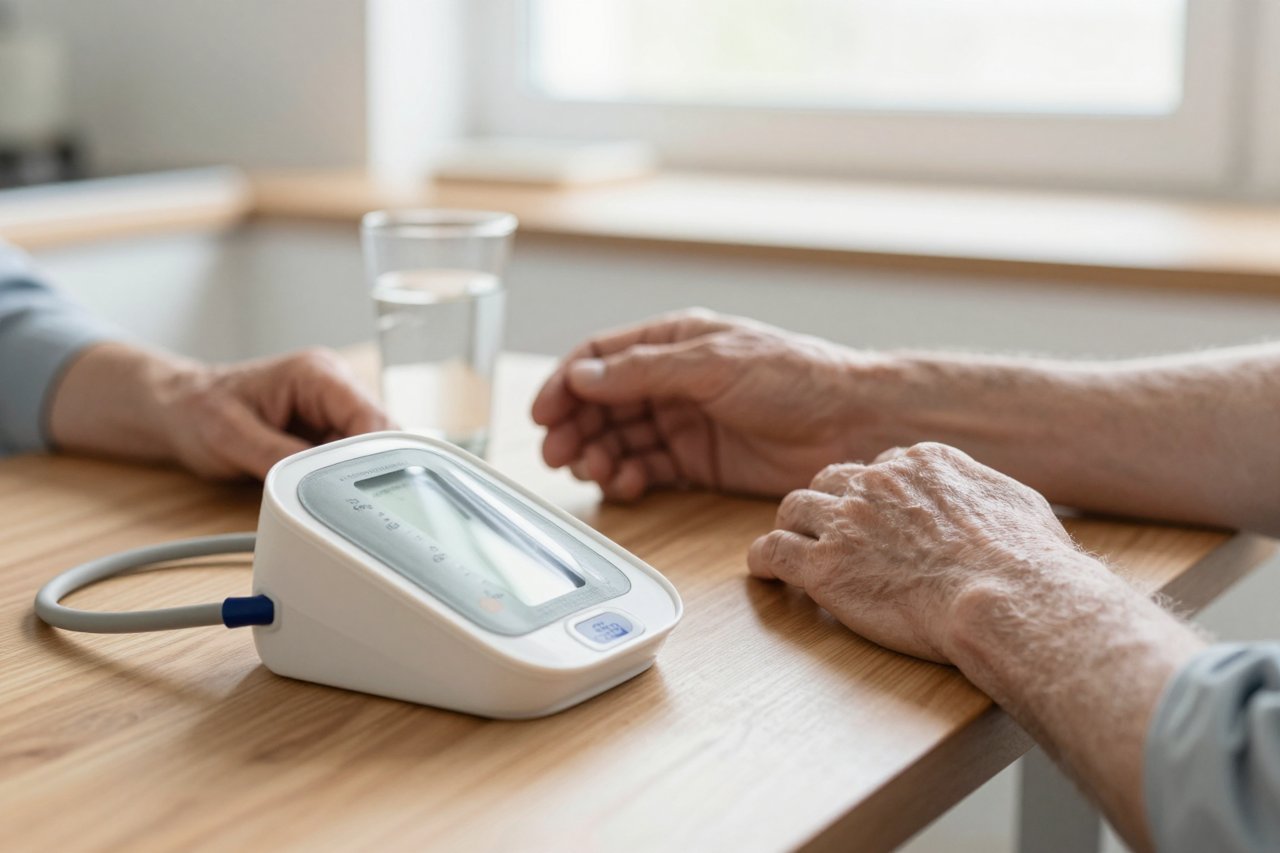
For most adults with kidney disease, the target is under 130/80. Regular home readings beat a single measurement in a doctor’s office, which can spike from nothing more than the walk down the hallway. Cutting sodium from the average 3,400 mg a day to under 2,300 mg tends to drop systolic pressure by 5 to 6 points on its own.
3. Age, Family History, and Genetics
Kidney function declines by roughly 1 mL/min per year after age 40, and that’s true in people with no disease at all. Past 60, the risk climbs steadily. So does the risk if a parent or sibling has kidney failure — family history roughly doubles it.
Some of the genetics are specific and worth knowing. Variants in the APOL1 gene, common in people of West African descent, sharply raise the odds of non-diabetic kidney disease. Polycystic kidney disease, an inherited condition that fills the kidneys with cysts, often shows up in the 30s and 40s. These fall under the broader umbrella of the most common kidney diseases and who they tend to affect, and they’re the reason a family history question is worth answering honestly.
4. Excess Weight and a Heavy Processed-Food Diet
Obesity raises kidney disease risk through diabetes and hypertension, but also directly. Extra body mass pushes the kidneys into a state of hyperfiltration — they work harder than they should, around the clock, and that extra pressure eventually causes scarring. A BMI over 30 raises the odds of developing CKD by roughly 30% to 40%, independent of other factors.
Sodium, processed meat, and added sugar do their own damage. So does a diet low in fruit, vegetables, and potassium-rich whole foods. Losing 5% to 10% of body weight is often enough to bring urine protein levels down measurably.
5. Smoking and Heavy Drinking
Smoking narrows the arteries feeding the kidneys and accelerates the yearly drop in filtration rate — in some studies up to 25% faster than in non-smokers. It also makes existing kidney disease worse and blunts the effect of blood pressure medication. Quitting produces measurable improvement within a couple of years, even after decades of smoking.
Alcohol is a smaller factor on its own, but heavy, regular drinking raises blood pressure, adds calories, and dehydrates — all of which put strain on the same organs. Binge drinking, in particular, has been linked to acute kidney injury.
6. Long-Term Use of NSAIDs and Other Medications
This one catches people off guard, because the culprits are sold over the counter. Ibuprofen and naproxen reduce blood flow to the kidneys, and taken daily for months — for back pain, arthritis, migraines — they can cause real damage, especially in anyone over 60 or already dehydrated. Other medications worth flagging to your doctor:
- Proton pump inhibitors taken for years, which have been linked to a modest but real rise in CKD risk
- Lithium, used for bipolar disorder, which requires regular kidney monitoring
- Certain antibiotics and antivirals that need dose adjustment if kidney function is reduced
- Contrast dye used in CT scans, which can trigger acute injury in vulnerable patients
- A mix of supplements — especially high-dose vitamin C and unregulated herbal blends
If you need pain relief regularly, ask about acetaminophen or a topical option instead of reaching for the bottle of ibuprofen.
7. Previous Kidney Injury, Stones, or Urinary Blockages
A single episode of acute kidney injury — from severe dehydration, sepsis, or a hospital stay — roughly doubles the risk of developing chronic kidney disease later. The nephrons that survive the injury compensate, but they carry more load, and the loss is cumulative across repeated episodes.
Obstruction is the other half of this. Kidney stones and the factors that make them more likely cause pressure to back up into the kidney, and repeated stones or an enlarged prostate can do damage over years without much pain. Frequent urinary tract infections matter too, and so does anything that points to a struggling immune system — repeated infections are one of the signs of an immune deficiency worth investigating. The kidneys, liver, and urinary tract tend to fail together rather than separately, which is why the overlapping signals your body sends deserve attention rather than a wait-and-see approach.
Two Tests That Catch This Early Enough to Matter
Almost everything on this list is manageable when it’s found at stage 2 or 3. The trouble is that both early warning signs — a rising creatinine and a small amount of albumin in the urine — are invisible without testing. Screening is cheap, takes minutes, and is covered annually by Medicare for people with diabetes or hypertension.
Ask for these two specifically:
- eGFR from a standard blood panel, which estimates filtration rate. Under 60 for three months or more is the definition of CKD.
- Urine albumin-to-creatinine ratio, which spots protein leaking through damaged filters long before eGFR starts falling.
Get both checked yearly if you have diabetes, high blood pressure, heart disease, a family history of kidney failure, or you’re over 60. And don’t wait for symptoms to prompt the visit — the early signs of kidney disease that most people brush off are vague by design: fatigue, puffy ankles, a change in urination at night. By the time they’re obvious, filtration is often already below 45. The test is the shortcut.


