
Key Points
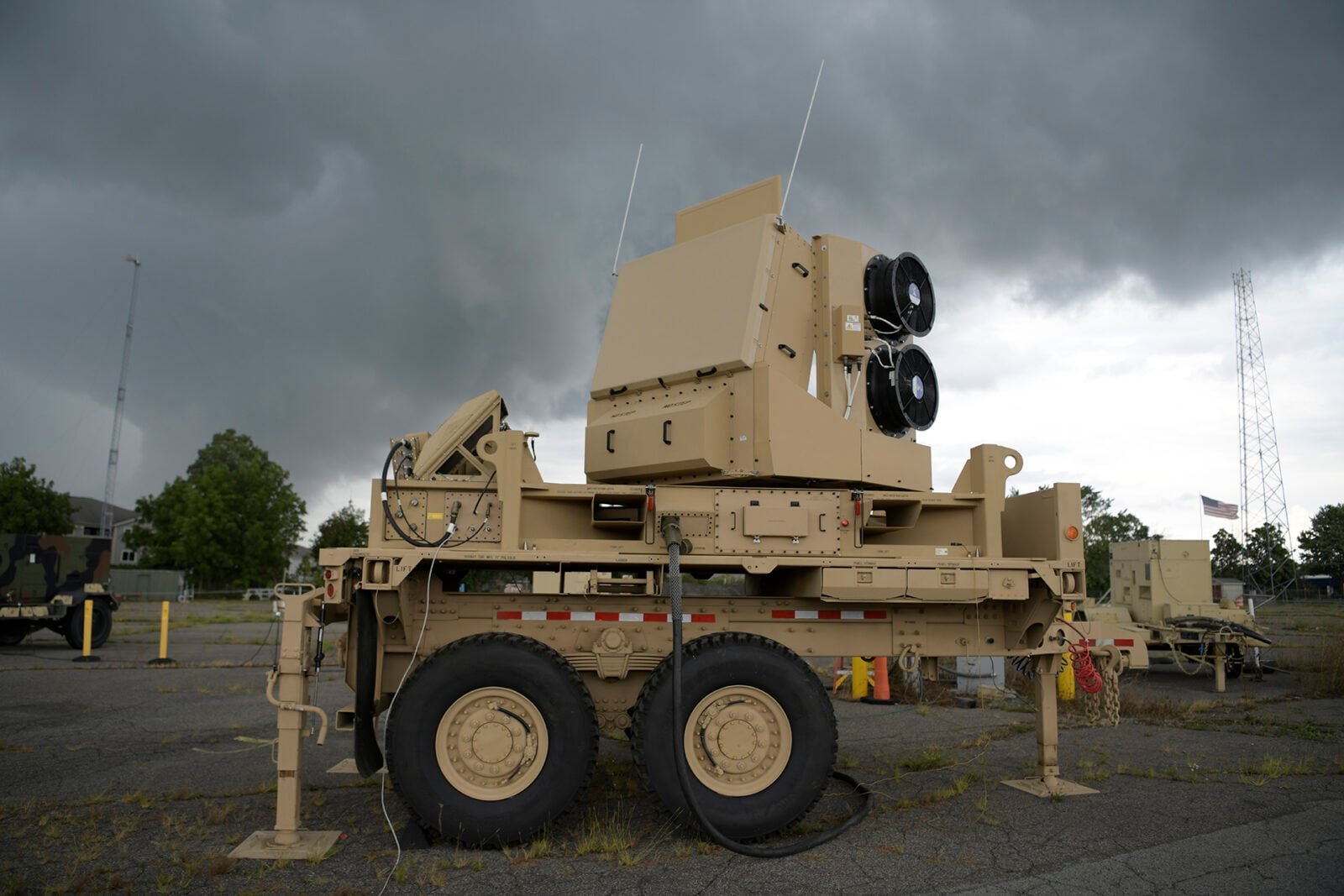
- Lockheed Martin delivered the first Sentinel A4 radar from LRIP 2 to the U.S. Army and completed the first phase of Initial Operational Test and Evaluation.
- Sentinel A4, a 360-degree AESA radar, is set to replace the Sentinel A3 and integrate with FAAD-C2 to counter cruise missiles, drones, and other aerial threats.
Lockheed Martin has delivered the first Sentinel A4 radar from Low-Rate Initial Production 2 to the U.S. Army and completed the first phase of Initial Operational Test and Evaluation, the company said.
As noted by Lockheed Martin, the delivery represents the first of 19 Sentinel A4 systems planned under the LRIP 2 phase. The company said completion of IOT&E Phase I advances the program toward full-rate production and supports the Army’s timeline for fielding the next-generation air defense radar.
“This delivery is a major milestone in getting next-generation radar capability to the warfighter to address the threats of today and tomorrow,” said Rick Cordaro, vice president of Lockheed Martin’s Radar and Sensor Systems. “Sentinel A4 expands battlespace awareness and improves layered defense against cruise missiles, unmanned aerial systems and rotary- and fixed-wing threats in complex environments.”
– ADVERTISEMENT – CONTINUE READING BELOW –
According to Lockheed Martin, the Sentinel A4 successfully integrated with the Army’s Forward Area Air Defense Command and Control system during IOT&E Phase I. The company said the testing validated the radar’s open-architecture design and its ability to operate across multiple command-and-control networks used by air defense units.
Sentinel A4 is a 360-degree Active Electronically Scanned Array radar designed to replace the currently fielded Sentinel A3. The system is intended to detect and track a wide range of aerial threats, including cruise missiles, unmanned aircraft systems, helicopters, fixed-wing aircraft, rockets, artillery, and mortars.
The radar is part of the Army’s broader effort to modernize short-range air defense sensing as aerial threats become more varied and complex. Sentinel A4 is designed to provide persistent surveillance and early warning to support engagement decisions by air defense formations protecting maneuver forces and critical assets.
Lockheed Martin said the LRIP approach allows the Army to receive operational systems while continuing test and evaluation activities. Fielded radars will be used to refine tactics, validate performance in operational settings, and ensure the system meets Army requirements before transitioning to full-rate production.
The company stated that the delivery builds on earlier Sentinel A4 handovers and reflects steady progress in manufacturing and system maturity. The LRIP 2 systems are intended to support both operational testing and initial fielding to Army units.
Sentinel A4 is designed to integrate with existing Army air defense architectures, enabling data sharing across sensors and shooters. Its role is to provide timely detection and tracking information that supports layered defense against low-altitude and short-range threats.
Lockheed Martin said it will continue delivering Sentinel A4 systems in support of the Army’s fielding plans. The company noted that ongoing operational testing will inform future updates and ensure the radar performs as required in real-world conditions.
The Sentinel A4 program is one element of the Army’s wider air and missile defense modernization effort, which also includes new interceptors, launchers, and command-and-control upgrades. Together, these systems are intended to address threats ranging from small drones to cruise missiles.