
Table of Contents
You know that feeling: the sudden, urgent need to pee, the burning sensation when you finally go, the constant ache in your lower abdomen. A urinary tract infection (UTI) can turn an ordinary day into a miserable one in a matter of hours. The good news? Relief is possible, and most UTIs are easily treated once you know what you’re doing. This guide breaks down the most effective urinary tract infection treatment options, what actually works, and how to keep the infection from coming back.
What Is a Urinary Tract Infection?
A UTI happens when bacteria, usually E. coli from the digestive tract, make their way into the urethra and multiply. Because the urethra is shorter in women, they are far more likely to develop a UTI — about 50 to 60 percent of women will experience at least one in their lifetime. Men can get them too, though it’s less common and often linked to other underlying issues.
Common Symptoms and When to Seek Help
UTIs can affect either the lower urinary tract (bladder and urethra) or the upper tract (kidneys). The symptoms are hard to miss:
- A persistent, urgent need to urinate, even after you’ve just been
- A burning or stinging sensation when you pee
- Cloudy, dark, or unusually strong-smelling urine
- Blood in the urine — a sign that shouldn’t be ignored
- Pelvic pressure or discomfort in the lower belly
If you also have a high fever, chills, nausea, or pain in your lower back or sides, the infection may have reached your kidneys. That’s a medical emergency. Don’t try to treat that at home — see a doctor right away.

First-Line Urinary Tract Infection Treatment
Antibiotics: The Only Real Cure
When you have a confirmed UTI, antibiotics are the only way to actually clear the infection from your system. Common first-line options include nitrofurantoin (Macrobid), trimethoprim-sulfamethoxazole (Bactrim), and fosfomycin (Monurol). A short course — usually three to five days — is enough for an uncomplicated bladder infection, but you need to take the full prescription, even if you start feeling better after 24 hours. Skipping doses can leave some bacteria alive and set you up for a resistant infection later.
Over-the-Counter Pain Relief That Helps in the Moment
While antibiotics do their job, phenazopyridine (sold as AZO or Pyridium) can numb the burning sensation in your urinary tract. It doesn’t treat the infection, but it makes the waiting far more bearable. Just know that it turns your urine a bright orange color, which can stain clothing. Common pain relievers like ibuprofen or acetaminophen also help reduce bladder discomfort. Always ask your pharmacist about the right dose and possible interactions.
Supportive Home Remedies and Lifestyle Tweaks
Water, Water Everywhere
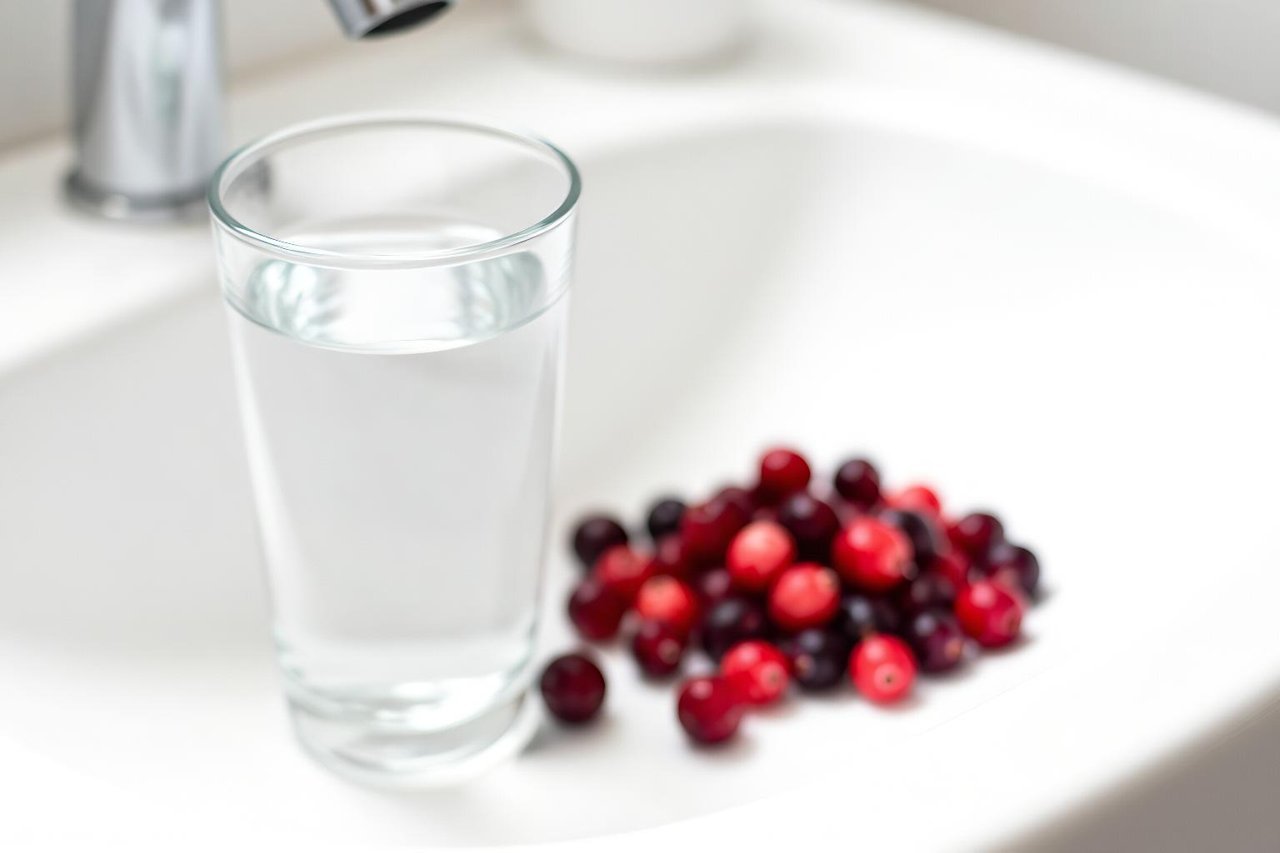
The simplest thing you can do is drink plenty of water. Extra fluids encourage you to urinate more often, which physically flushes bacteria out of your bladder. Aim for at least 2 to 3 liters a day while you’re recovering. The goal is pale, clear urine. If your urine looks dark, you’re not drinking enough.
The Cranberry Question
Cranberry juice and supplements are a popular old wives’ tale, and the science is more nuanced than you might expect. Some research suggests that certain compounds in cranberries can stop bacteria from sticking to the bladder wall, which helps with prevention. But for an active infection, cranberry juice isn’t strong enough to cure anything and can even irritate your bladder if it’s highly acidic. Save the cranberries for prevention, not treatment.
Avoid These While You Recover
During an active UTI, your bladder is already inflamed. Avoid anything that makes it angrier:
- Caffeine (coffee, tea, soda) — it’s a diuretic and can worsen urgency
- Alcohol, which can dehydrate you
- Spicy foods and acidic fruits like oranges or tomatoes
- Artificial sweeteners, which are known bladder irritants
What If the Infection Comes Back or Won’t Go Away?
If your symptoms don’t improve within two to three days of starting antibiotics, or if they return within a few weeks, something else may be going on. Your doctor may want to run a urine culture to identify the exact bacteria and test which antibiotics it responds to. Recurrent UTIs often require a longer course of treatment or a different class of antibiotics.
For men, a stubborn urine infection can be a red flag for an underlying prostate issue. Chronic prostatitis can produce almost identical symptoms but needs a completely different approach. If you’re experiencing pelvic pain or a sense of incomplete emptying, you’ll want to understand how prostatitis treatment differs from standard UTI care.
Older men, especially those over 50, may also be dealing with an enlarged prostate. When the prostate grows, it can press on the urethra and prevent your bladder from fully emptying. That leftover urine becomes a breeding ground for bacteria. If this sounds familiar, a practical guide to enlarged prostate treatment options can help you see what’s available.
Preventive Strategies That Actually Work
The best treatment is the one you never need. Follow these steps to dramatically lower your chances of another UTI:
- Urinate immediately after sexual intercourse to flush away bacteria that entered the urethra during sex
- Wipe from front to back after using the toilet to avoid moving bacteria toward the urethra
- Stay well hydrated. Drinking enough water every day is your cheapest defense
- Don’t hold it. When you feel the urge, go. Holding urine gives bacteria time to multiply
- Wear cotton underwear and avoid tight, non-breathable pants. Moisture creates a perfect environment for bacterial growth
If you’re postmenopausal and dealing with frequent UTIs, vaginal estrogen cream is one of the most effective preventive tools. As estrogen levels drop, the vaginal tissue becomes thinner and drier, making it easier for bacteria to enter the urinary tract. Restoring that tissue with low-dose estrogen can make a huge difference. You can learn more about how this works in our doctor-approved article on vaginal dryness treatment.
And for anyone who wants a thorough, science-backed overview of prevention, check out our complete resource on UTI treatment and prevention. It covers everything from hygiene habits to the latest evidence on probiotics and cranberry supplements.
If you’re in the middle of a UTI right now, the most important thing to remember is that relief is on the way. Start with a doctor’s visit, take your antibiotics exactly as prescribed, and drink plenty of water to speed up the flushing process. The burning will fade, the urgency will calm, and in a few days, you’ll be back to yourself — without the constant sprint to the bathroom.


