
Table of Contents
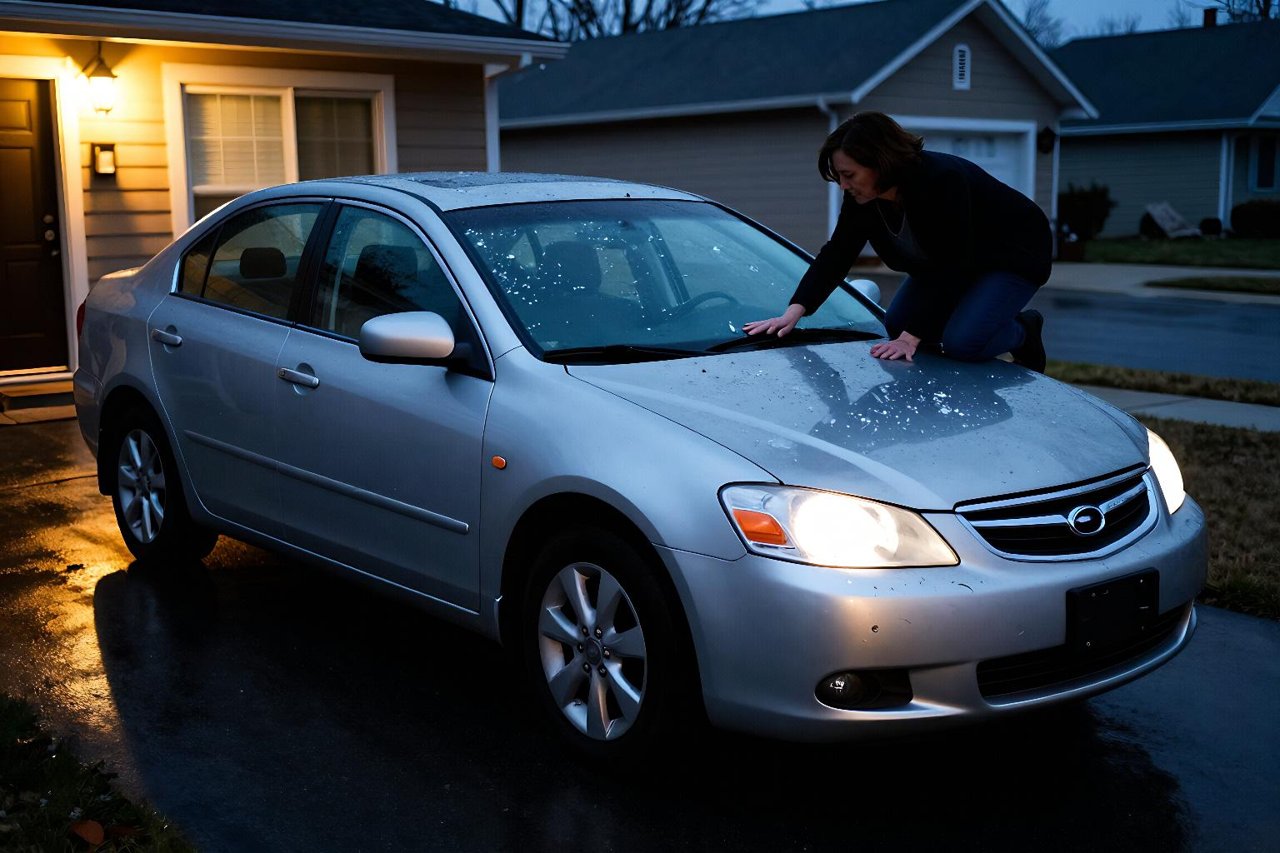
A deer steps out of the treeline at 11pm on a two-lane county road. A hailstorm drops golf balls on a car sitting in the driveway. Someone smashes a rear window to grab a backpack off the back seat. None of these events involve another driver, and none of them count as a crash. That gap is exactly what comprehensive car insurance exists to fill.
Comprehensive coverage is the section of an auto policy that pays to repair or replace your own vehicle when the damage comes from something other than a collision. If you’ve ever glanced at your declarations page and wondered why there are three separate coverage lines with three separate prices, this is the one doing quiet, unglamorous work in the background.
What comprehensive coverage actually pays for
Think of it as protection against the world acting on your parked or moving car without another vehicle being involved. A standard policy typically lists these perils:
- Theft of the vehicle itself, or of parts stripped from it — catalytic converters, wheels, mirrors
- Fire and explosion, including electrical fires that start under the dash
- Hail and flood damage, which matters enormously in Texas, Colorado and anywhere a hurricane makes landfall
- Vandalism, from keyed paint to slashed tires to spray paint
- Falling objects — tree limbs, roof tiles, a branch that comes down in a windstorm
- Animal strikes, with deer collisions being the classic example
- Glass breakage, including a cracked windshield from road debris
- Riots, civil disturbance and looting
- Weather events like tornadoes, lightning and windstorms
The deer question trips people up
Hitting an animal is comprehensive. Hitting a guardrail, a mailbox or a pothole is collision. That distinction sounds academic until you’re standing on the shoulder with a smashed bumper, so it’s worth confirming which coverage your insurer assigns to animal strikes before you need to file.

Glass claims often have their own rules
Many policies include a separate glass deductible, and a few states require insurers to waive it entirely for windshield replacement. A $0 glass deductible can cost surprisingly little to add, and it saves you from paying $500 out of pocket for a chip that spreads into a crack.
What it will not cover
Comprehensive is broad, not unlimited. The exclusions are consistent across most carriers:
- Mechanical breakdown and wear — a failing transmission or a worn clutch is maintenance, not a claim
- Damage you cause by driving into something — that’s collision territory
- Injuries to you or your passengers — handled by medical payments or health insurance
- Damage to other people’s property or vehicles — liability coverage steps in there
- Personal belongings inside the car — a stolen laptop is usually a homeowners or renters claim
- Normal deterioration — rust, peeling paint, worn tires
Comprehensive, collision and liability do three different jobs
Liability pays other people when you’re at fault. Collision pays for your car after a crash with another vehicle or object, regardless of fault. Comprehensive picks up everything else that damages your car. Nearly every state mandates liability; the other two are optional unless a lender or lessor requires them.
Understanding how these pieces fit together before you sign anything makes the shopping process far less confusing — our breakdown of what you really need to know before buying car insurance walks through the coverage stack line by line.
Your deductible shapes the price more than you’d expect
A comprehensive deductible is what you pay before the insurer picks up the rest. On a $3,200 hail repair, a $500 deductible means the carrier covers $2,700. A $1,000 deductible means you’re covering nearly a third of the bill yourself.
Raising the deductible from $250 to $1,000 might cut the comprehensive portion of your premium by 30% to 40%, and since comprehensive is usually the cheapest line on the page — often $100 to $250 a year on a mid-range sedan — the savings are modest in absolute dollars. Run the numbers rather than assuming the higher deductible wins.
How to judge whether it’s worth the money
Signs the coverage is earning its keep
- The car is worth more than roughly $5,000, or you couldn’t replace it out of savings
- You’re leasing or financing — the contract almost certainly requires it
- You park on the street in a city with a high theft rate
- You live in hail country or an area with heavy deer density
- Your annual comprehensive premium is a small fraction of what the car would cost to replace
When dropping it is a reasonable bet
Take a 2011 sedan worth $4,000 with a $600 annual comprehensive premium and a $1,000 deductible. The most the insurer will ever pay out is $3,000, and you’ll have spent $600 a year to get there. If you could absorb a total loss without it wrecking your finances, that’s a real argument for dropping the coverage and banking the difference.
Just remember that a total loss means buying a replacement car in a hurry. For anyone without an emergency fund, comprehensive is cheap peace of mind even on an older vehicle.
Realistic ways to bring the premium down
Comprehensive pricing varies wildly between carriers for the same driver and the same car. Getting three or four quotes is the single highest-value move, and reviews like this look at whether Geico’s rates hold up in practice can tell you where to start.
Bundling your auto policy with homeowners or renters insurance is the other reliable lever. Most carriers discount both policies by 5% to 25%, and there’s a practical benefit beyond the price: one deductible conversation instead of two adjusters pointing at each other after a storm. Our guide to pairing car and house insurance for savings and protection covers how the discounts stack.
Other moves that help: park in a garage if you have one, add anti-theft devices, keep a clean claims record, and ask specifically about a glass deductible. Small levers, but they add up. There’s a fuller list in this piece on finding affordable automobile insurance without gutting your coverage.
Read the declarations page before you decide
Your declarations page lists every coverage, limit and deductible on the policy in plain numbers. Find the comprehensive line, note the deductible, and check whether glass is treated separately. Then ask one question of your agent: what would this policy pay if my car were stolen tonight and never recovered?
The answer tells you whether your comprehensive coverage is calibrated to the car you actually drive. A 2019 SUV with a $1,000 deductible and a $25,000 payout ceiling is well protected. A 2008 hatchback with a $750 premium and a $500 deductible probably isn’t worth insuring against hail at all — and knowing that before renewal beats discovering it during a storm claim.


