
Table of Contents
Your renewal notice came back higher. Again. If it feels like car insurance has climbed every single year since 2022, that is not your imagination. Average full-coverage premiums in the U.S. went from roughly $1,600 a year in 2021 to well over $2,300 by 2024, and plenty of drivers saw a single renewal jump 20% or more. In Florida, Louisiana, and New York, the numbers are uglier still.
None of this is a mystery to the people who price the policies. Insurers pay claims, and every input in a claim has gotten more expensive: the parts, the labor, the rental car, the hospital bill, the attorney on the other side. When those costs rise, premiums follow a year or two behind.
The Parts on Your Car Got Absurdly Expensive
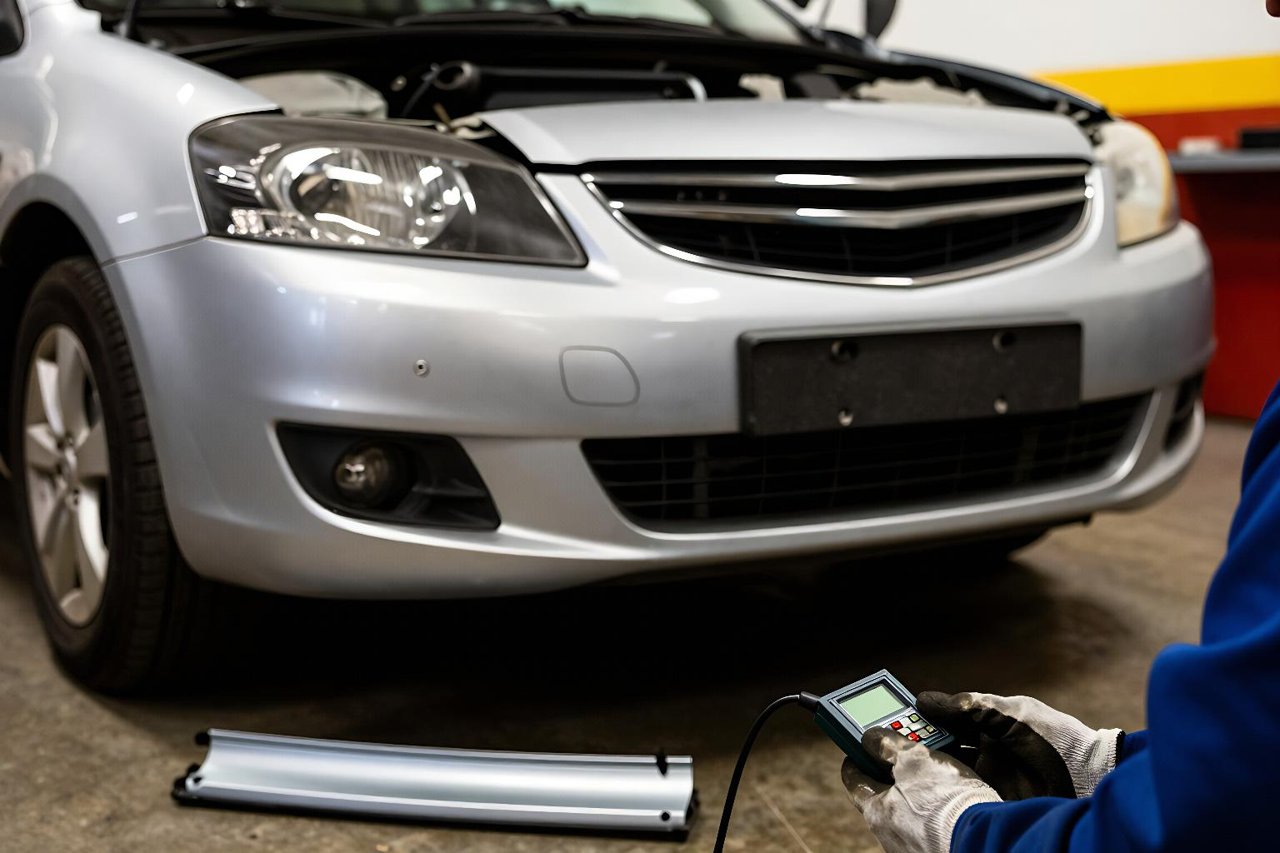
A fender bender that was a $1,200 body shop job in 2019 can now run $3,000 before anyone touches the frame. A bumper cover is no longer a molded piece of plastic. It hides radar units, parking sensors, and cameras that have to be replaced and recalibrated after even a low-speed hit.
One cracked windshield, four figures
Windshield replacement used to be a $350 job. On a car with lane-keep assist and adaptive cruise control, the camera mounted behind the glass has to be recalibrated with a target board and a scan tool. That alone pushes a windshield claim past $1,000 on many late-model vehicles. Multiply that across millions of claims and the math stops being small.

Labor, paint, and the technician shortage
Body shops are chronically short-staffed, so skilled collision techs command more per hour than they did five years ago. Aluminum-bodied trucks and SUVs need separate tools and a dedicated clean room. Refinish materials have climbed hard too, with paint and primers up sharply since 2021 on the back of raw material costs. Every one of those line items lands in the same claim file.
Total Losses Cost More Because Used Cars Held Their Value
Insurers total a car when repairs cross roughly 70% to 80% of its value. Because used vehicle values spiked through 2022 and stayed elevated, more cars get written off and each payout is bigger. A 2018 sedan worth $11,000 that would have been repaired now carries an $18,000 valuation, which flips the decision to total it. The insurer hands over more cash and then sells the salvage for less than it used to. Both sides of that ledger got worse.
Medical Bills and Jury Verdicts Are Bigger Than Ever
Bodily injury liability is the quiet driver behind a lot of rate increases. Hospital charges, emergency transport, and rehabilitation all cost more than they did a few years back. More claimants also hire attorneys early, which raises the average settlement.
Then there are the verdicts. Courts have handed down a string of nine-figure awards against commercial auto and personal policies in recent years, and insurers price for the tail risk that a single crash could produce a $10 million judgment. Even a small probability of that outcome adds real dollars to every policy in the state where it happened.
Bad Weather Is Now a Standing Line Item
Hail in Texas and Colorado, hurricanes along the Gulf, wildfire in California, and inland flooding in places that never used to flood. Insured catastrophe losses worldwide topped $100 billion in several recent years. Those losses get passed to reinsurers, the companies that insure the insurers, and reinsurance rates jumped by double digits in 2023 and 2024.
Comprehensive coverage is where you feel it. A single hailstorm can dent 20,000 vehicles in one afternoon, and every one of those claims is a glass, roof, and hood repair at today’s parts prices.
Some Insurers Simply Left Town
A handful of large carriers paused new business or withdrew from California and Florida entirely after years of underwriting losses and rate filings that regulators held down. Fewer companies competing for the same drivers means less pressure to undercut each other on price. If you have ever wondered how the policy itself is assembled, from liability limits to uninsured motorist coverage, this breakdown of what each coverage line actually pays for is worth ten minutes before your next renewal.
Your Own Record Still Counts
Industry-wide cost trends set the baseline, but your personal pricing still moves a lot. A single at-fault crash with a payout over $2,000 can raise your premium by 30% to 50%, and the surcharge typically sticks around for three to five years depending on the carrier and state. Our guide to how accident history affects insurance rates walks through the timelines and the exceptions.
Credit-based insurance scores, where allowed, can swing a rate by hundreds of dollars. So can the vehicle itself: a car with expensive sensors and a high theft rate costs more to insure than a basic sedan, even at the same sticker price.
What Actually Works If You Want to Pay Less
You cannot change the macro trends, but a few moves reliably cut the bill.
- Shop the policy every two renewals. Loyalty is rarely rewarded. The same driver with the same record often sees quotes that differ by 40% between carriers.
- Raise your deductible. Moving from $500 to $1,000 typically saves 10% to 15%, and you should only do it if you could cover the difference tomorrow.
- Bundle home and auto. Multi-policy discounts commonly run 10% to 25%, though the home side has to stay competitive for it to be a real win.
- Drop collision and comprehensive on an older car. Once the premium for those two coverages approaches 10% of the vehicle’s value, the math stops working.
- Ask about low-mileage and telematics programs. If you drive under 8,000 miles a year, usage-based pricing can be meaningfully cheaper.
- Check the discount list line by line. Safety features, defensive driving courses, good-student status, and paid-in-full discounts are frequently left on the table.
Bundling deserves a closer look because the savings compound, but only when the paired policy is priced well on its own. There is a right and a wrong way to pair car and house insurance so the discounts actually stack without leaving gaps in coverage.
Where Rates Are Headed From Here
The double-digit increases of 2023 and 2024 have mostly worked through the system, and several large carriers have filed for smaller increases or flat rates. That does not mean prices come down. It means they climb more slowly.
Two forces will shape the next few years. First, tariffs and supply chain shifts on imported parts could push repair costs up again, and insurers will file for rate accordingly. Second, the vehicle mix on the road is changing fast. EVs cost more to insure because a battery pack write-off can total a car that looks repairable, and the industry’s own forecasts expect that repair economics to keep evolving through 2030, as outlined in these automotive market predictions on EVs, hybrids, and pricing pressure.
For now, the practical takeaway is simple: assume your renewal will rise by a few percent each year, and build a habit of re-quoting before you accept it. The drivers paying the least are rarely the ones with the best record. They are the ones who checked.


