
Table of Contents
Small dogs have a huge fan base, and it’s not hard to see why. They take up less space, work well for city living, and many are perfectly happy to snooze on your lap for hours. But the “best” small breed depends on your lifestyle. Some need serious exercise, others are happy with a short walk. Some shed constantly, some barely shed at all. That’s why I’ve broken down the seven best small dog breeds by what they’re like to live with.
Before you fall in love with a face, think about your home and schedule. The breed you choose will shape your mornings, your weekends, and your vacuum cleaner’s life.
What to Consider Before Choosing a Small Dog
Every small dog has its own personality, energy level, and quirks. Here’s what matters most:
- Energy level: Do you want a couch potato or a jogging buddy?
- Grooming: Long coats need brushing most days, while short coats are low maintenance.
- Health: Some flat-faced breeds have breathing issues and struggle with heat.
- Family fit: How do they behave with children and other pets?
- Noise: Some small breeds bark a lot, which could bother your neighbors.
If you’re leaning toward a relaxed routine, you might enjoy our guide to the top 7 calm dog breeds for a stress-free home.

French Bulldog: The Compact Companion
French Bulldogs barely need any exercise, but they make up for it with personality. They’re friendly, goofy, and wonderfully attached to their humans. A typical adult weighs 16–28 pounds, which is small enough to carry but sturdy enough to handle mild roughhousing. They aren’t big barkers, but they will snore like a lumberjack. If you live in a hot climate, watch out — their short noses make heat stroke a real risk.
Why They Make Great Pets
Frenchies adapt well to apartments and get along with children and other dogs. Their wrinkly faces and bat ears make them one of the most photographed breeds on Instagram. The downside is that they can be expensive, and many need surgery for breathing problems. If you’re set on this breed, find a responsible breeder who screens for health issues.
Cavalier King Charles Spaniel: The Ultimate Lapdog
Cavaliers are small spaniels that were bred for one thing: companionship. They’re gentle, patient, and genuinely happy to be wherever you are. At 13–18 pounds, they’re small enough for a lap, but agile enough to chase a squirrel. They have silky, medium-length ears that need brushing a few times a week. They also have an incredibly sweet expression that’s hard to resist.
A Versatile Family Dog
Cavaliers do well with kids, cats, and other dogs. They’re not guard dogs — they’ll likely greet a stranger with a wagging tail. One health note: they’re prone to heart issues, especially mitral valve disease, so regular vet checkups are essential. If you want a calm, affectionate dog, this is one of the best small companions you can find.
Miniature Poodle: The Brainy Performer
The Miniature Poodle is a powerhouse of intelligence in a 10–15 pound body. They’re ranked as the second smartest dog breed, and they need mental stimulation to avoid boredom. They also shed very little, which makes them a popular choice for people with mild allergies. Their curly coats need clipping every 4–6 weeks, but that’s a small price for a dog that can learn a new trick in minutes.
Trainability and Temperament
Poodles love to learn. They excel in obedience, agility, and even water sports. They’re also quite sensitive, so they respond best to positive reinforcement. If you’re fascinated by canine intelligence, check out our article on the top 7 smartest dog breeds. Just remember: a smart dog left alone for too long can get into mischief.
Shih Tzu: The Royal Lapdog
Shih Tzus were bred as palace companions in ancient China, and they still expect to be treated like royalty. Weighing just 9–16 pounds, they have a long, flowing coat that needs daily brushing to stay tangle-free. They’re known for their flat faces and happy-go-lucky attitude. They don’t need much exercise — a couple of short walks each day is perfect.
A Gentle Companion for Quiet Homes
Shih Tzus are remarkably quiet dogs, making them ideal for apartment living. They’re also less likely to trigger allergies than some other breeds, though no dog is truly hypoallergenic. If you or someone in your home suffers from allergies, our guide to allergenic dogs explains which breeds cause the most reactions and how to manage them. Shih Tzus thrive with gentle handling and lots of attention.
Dachshund: The Fearless Hunter
This little hound was bred to dig into badger dens, and that courage still runs through their veins. Dachshunds weigh anywhere from 8 to 32 pounds, depending on whether they’re standard or miniature. They come in three coat types — smooth, longhaired, and wirehaired — and each has its own grooming needs. They have a loud, surprisingly deep bark for their size.
A Big Personality in a Small Package
Dachshunds are playful and confident, but they can be stubborn. Early training is a must. They were bred to chase, so keep them on a leash unless you have a fenced yard. Be careful with their long backs; jumping off furniture can cause spinal injuries. Use ramps if you can. For all their quirks, they’re devoted companions who will follow you from room to room.
Boston Terrier: The Class Clown
Boston Terriers are often called the American Gentleman because of their tuxedo-like markings. They tip the scales at 12–25 pounds and have a cheerful, even-tempered disposition. They’re not yappy, and they’re eager to please, which makes them a good first dog for new owners. Their short coats are easy to groom, and they come in black, brindle, or seal with white markings.
An Adaptable City Dog
Bostons are active but not hyperactive. A daily walk and some playtime will keep them happy. They get along with kids, other dogs, and even cats. Like French Bulldogs, they have short noses, so keep them cool in summer and limit strenuous exercise in hot weather. They’re also known for being quite sensitive — they want to be with their people as much as possible.
Pomeranian: The Tiny Firecracker
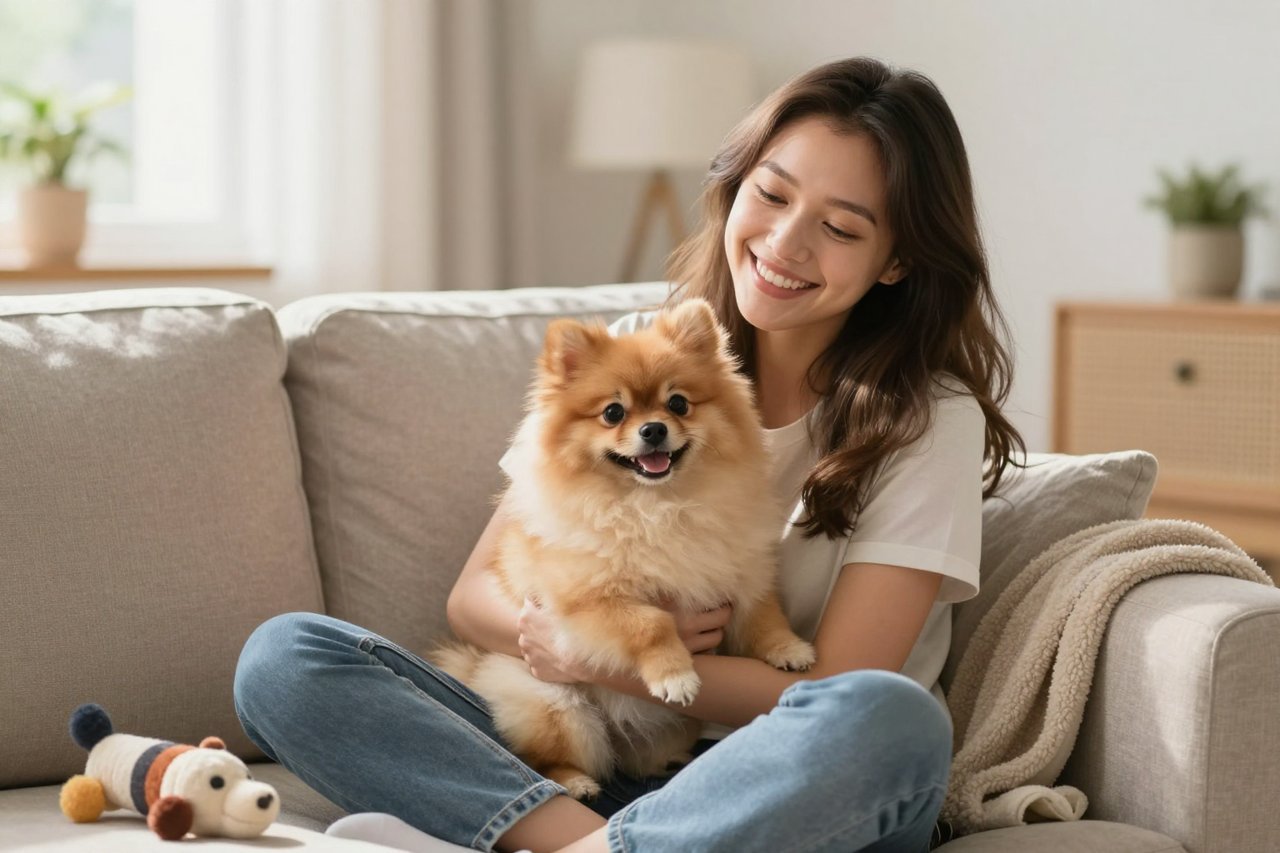
Pomeranians are the smallest breed on this list at just 3–7 pounds, but they act like they own the place. They have a thick double coat, a foxy face, and a personality that’s equal parts sassy and sweet. They’re alert and make excellent watchdogs, though their barking can get out of hand if you don’t train them early.
A Toy Breed With a Big Heart
Poms are surprisingly hardy for their size, but they’re delicate and not ideal for families with very young children. What they lack in size, they make up for in intelligence and charisma. They can do well in agility classes and love to learn tricks. Grooming is a commitment — their coats need brushing every couple of days to avoid matting.
Feeding and Health Tips for Small Dogs
Small dogs have faster metabolisms than large breeds, so they need calorie-dense food in smaller portions. They’re also prone to dental problems, so dry kibble or dental chews are a good idea. For specific recommendations, check out our guide to the best dog food brands for 2026. If your small dog is a picky eater, a high-quality wet food is often more palatable than dry kibble — our guide to the best wet dog food covers some excellent options.
Many owners also add a probiotic supplement to their dog’s morning routine. Small breeds often have sensitive stomachs, and a daily probiotic can help keep their gut flora in good shape. Our complete guide to probiotics for dogs explains which strains are best for different issues.
Whatever breed you choose, remember that every dog deserves a steady routine, regular vet visits, and plenty of love. The right small dog will fit into your life like they were always meant to be there.


