
Table of Contents
[ad_1]
Frequently Asked Questions
What’s the best application technique for using concealer on dark spots or hyperpigmentation?
Start with a heavily pigmented formula, says Henney. (In other words, full coverage is your friend.) From there, she uses a two-step approach that combines precision with blendability. “I usually start by tapping on the product initially with a small makeup brush,” she says. Once the product is placed, she switches tools entirely: “To make it flawless, I blend using a makeup sponge.” The combination of targeted placement and seamless blending is what keeps coverage looking natural.
What should you look for when shopping for full coverage concealers?
A great full-coverage concealer comes down to the right shade and formula. Going slightly lighter in the center and matching your overall skin tone at the outer edges creates a more natural, dimensional result. Beyond shade, the formula itself has to perform. “You want something that can be layered and with strong pigment,” says Henney, noting that both qualities become important when covering stubborn discoloration or dark spots, since they require more than one pass.
Meet the experts
How we test and review products
We always enlist a range of testers for our makeup vertical, but hair-care products and tools are another story. While there are certain products that can be used across different hair textures, lengths, curl patterns, thicknesses, colors (natural and unnatural), and needs, hair products are often created with specific consumers in mind. Many are created in order to address a concern (dandruff, breakage, brittleness) or to work most effectively for a specific hair type (4C curls, wavy hair, gray hair). You wouldn’t want to pick up a purple shampoo that’s only been reviewed by someone with, say, auburn hair, or a diffuser that’s never been tested by anyone with curls—right?
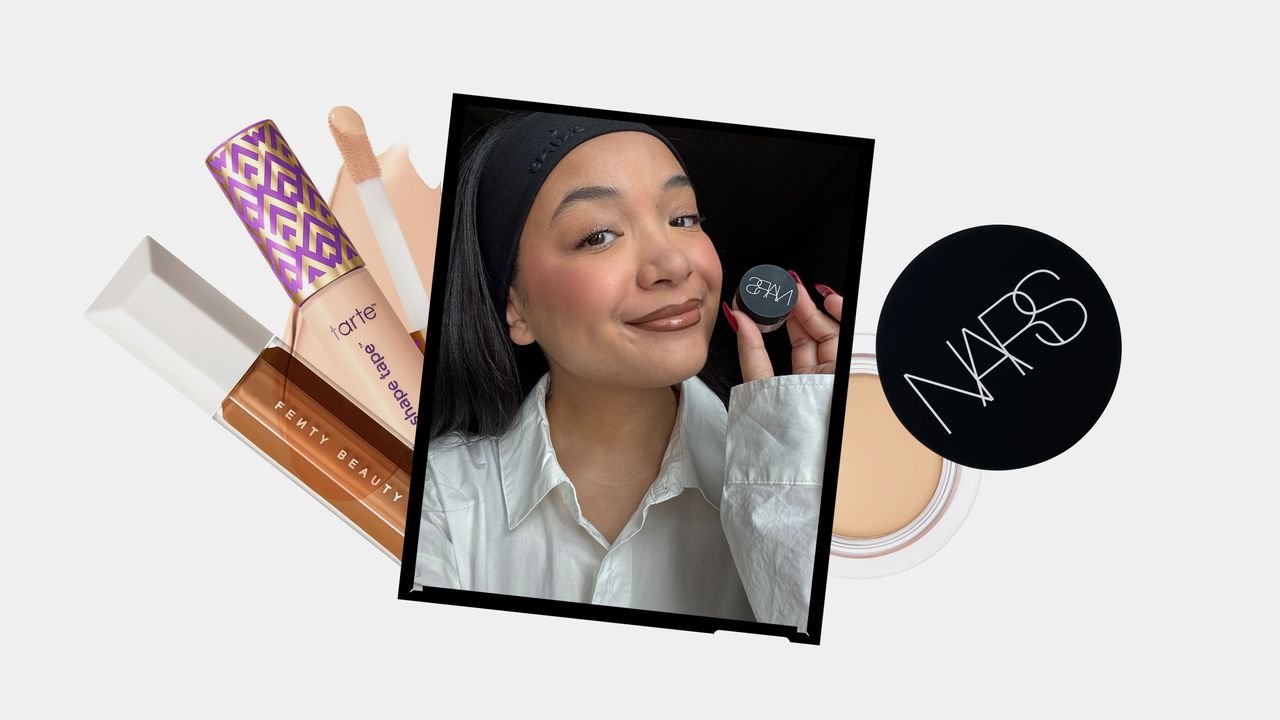
For our review of the best concealers for dark spots, we enlisted the help of multiple editors, writers, contributors, cosmetic chemists, and makeup artists—who have a range of experience studying and using these products. Testers considered performance across four primary categories: efficacy, texture, experience, and formula. For more on what’s involved in our reporting, check out our complete reviews process and methodology page.
Our staff and testers
A beauty product is a personal purchase. You might be searching for a face cream to address persistent dryness or a new nail product to add to your Sunday self-care routine; you may simply be browsing around for the latest launches to hit the hair market. No matter what you seek or your individual needs and concerns, Allure wants to ensure that you love anything we recommend in our stories. We believe that having a diverse team of writers and editors—in addition to the wide range of outside testers and industry experts we regularly call upon—is essential to reaching that goal.
After all, can we really say a skin-care product is the “best” for people over 50 if the only testers we’ve solicited opinions from folks who have yet to hit 30? Can we honestly deem a high-end diffuser worthy of your hard-earned cash if it’s never been tested on curls? We’re proud that our staff spans a wide range of ages, skin tones, hair textures, genders, and backgrounds, which means that we are able to fairly assess any beauty product that comes into the beauty closet.
[ad_2]
Source link


