
Table of Contents
Eczema, or atopic dermatitis, affects over 31 million Americans. The hallmark symptoms—red, itchy, inflamed skin—can disrupt sleep, work, and daily life. While there’s no cure, effective eczema treatment can dramatically reduce flare-ups and discomfort. This guide covers evidence-based strategies, from daily skincare routines to advanced therapies, so you can find what works for your unique skin.
Understanding Eczema: The Basics
Eczema is a chronic inflammatory skin condition driven by a compromised skin barrier and an overactive immune response. Triggers vary widely: allergens (pollen, dust mites), irritants (soaps, wool), stress, weather changes, and certain foods. The goal of treatment is twofold: repair the skin barrier and reduce inflammation.
First-Line Eczema Treatment: Moisturizers and Barrier Repair
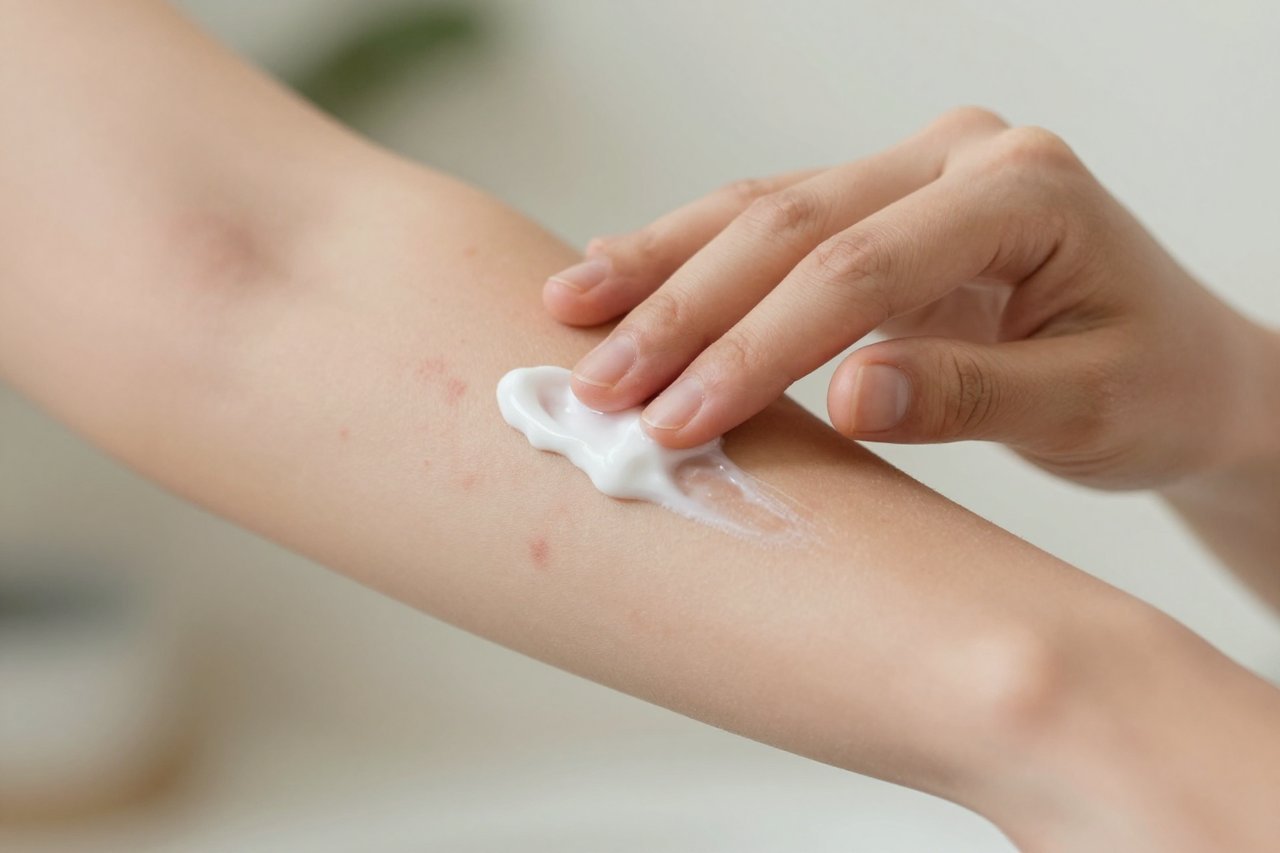
Consistent moisturizing is the cornerstone of managing eczema. A good moisturizer locks in water and reinforces the skin’s natural barrier, reducing dryness and itch.
Choosing the Right Moisturizer
Look for fragrance-free, hypoallergenic creams or ointments rather than lotions (which contain more water and evaporate quickly). Ingredients like ceramides, glycerin, petrolatum, and shea butter are excellent. Apply within three minutes of bathing—when skin is still damp—to seal in moisture. For severe dryness, ointments like petroleum jelly are more effective than creams.

How Often to Moisturize
At least twice daily, and more often if your skin feels dry. A 2014 study found that regular moisturizing reduced the need for corticosteroid creams by 50%. Make it a habit: keep a tube by the sink, in your bag, and at your desk.
Topical Prescription Treatments
When moisturizers aren’t enough, prescription medications can calm inflammation and itching.
Corticosteroids
These are the most common prescription treatments. They reduce inflammation and itching. Use the lowest potency that works, and apply only to affected areas. Overuse can cause skin thinning, so follow your dermatologist’s guidance. Hydrocortisone (over-the-counter) is mild; stronger versions like triamcinolone or clobetasol require a prescription.
Topical Calcineurin Inhibitors (TCIs)
Drugs like tacrolimus (Protopic) and pimecrolimus (Elidel) are steroid-free options. They’re especially useful for sensitive areas like the face, eyelids, and skin folds. Common side effects include a temporary burning sensation, which often fades after a few days.
PDE4 Inhibitors
In 2016, the FDA approved crisaborole (Eucrisa), a non-steroidal ointment for mild to moderate eczema. It works by blocking an enzyme that causes inflammation. Apply a thin layer twice daily; stinging at application site is the most common side effect.
Wet Wrap Therapy: A Powerful Technique for Flare-Ups
For severe, stubborn eczema, wet wrap therapy can provide rapid relief. After bathing and applying medication and moisturizer, wrap the affected area with damp cotton gauze or clothing, then cover with a dry layer. Leave on for several hours or overnight. This increases absorption and hydration. A 2017 review found that wet wraps can reduce eczema severity by up to 70% in a week. Always consult your doctor before trying this, as improper use can lead to infection.
Lifestyle Changes That Make a Difference
Daily habits play a huge role in managing eczema. Small adjustments can prevent flare-ups and improve skin health.
- Bathing: Take short (5-10 minute) lukewarm baths or showers. Avoid hot water. Add colloidal oatmeal or baking soda to soothe itch. Pat dry—don’t rub.
- Clothing: Wear soft, breathable fabrics like cotton. Avoid wool, synthetics, and tight clothing. Wash new clothes before wearing to remove formaldehyde and other irritants.
- Stress management: Stress triggers inflammation. Practices like meditation, deep breathing, or yoga can lower cortisol levels. A 2020 study showed that mindfulness-based stress reduction reduced eczema severity by 30% in participants.
- Diet: While food triggers are individual, common culprits include dairy, eggs, soy, and gluten. Try an elimination diet under a dietitian’s supervision. Omega-3 supplements (fish oil) may help reduce inflammation.
- Humidity: Dry air worsens eczema. Use a humidifier in your bedroom, especially in winter. Aim for 40-50% humidity.
Natural and Over-the-Counter Remedies
Many people turn to natural options to complement medical treatments. Evidence varies, but some show promise.
Colloidal Oatmeal
Finely ground oats have anti-inflammatory and antioxidant properties. Look for bath products with colloidal oatmeal, or make your own by grinding plain oats. Soak for 15 minutes.
Coconut Oil
Virgin coconut oil is a natural moisturizer with antimicrobial properties. A 2014 study found that applying coconut oil to skin daily for 8 weeks reduced eczema severity by 68%. Use it after bathing.
Sunflower Oil
Rich in linoleic acid, sunflower oil helps repair the skin barrier. Apply to damp skin. It’s lighter than coconut oil and less likely to clog pores.
Probiotics
Taking probiotics during pregnancy and infancy may reduce the risk of eczema, but evidence for treating existing eczema is mixed. Some strains like Lactobacillus rhamnosus may help. Discuss with your doctor.
Advanced Treatments for Moderate to Severe Eczema
If topical treatments and lifestyle changes aren’t enough, dermatologists may recommend systemic therapies.
Phototherapy (Light Therapy)
Exposure to specific wavelengths of ultraviolet light (UVB or UVA) can reduce inflammation and itching. Typically done 2-3 times per week in a clinic. A 2021 meta-analysis found that narrowband UVB improved eczema in 70% of patients. Side effects include sunburn-like redness and potential long-term skin aging.
Biologics
Dupilumab (Dupixent) is an injectable biologic approved for moderate-to-severe eczema. It blocks proteins that drive inflammation. In clinical trials, 38% of patients saw clear or almost clear skin after 16 weeks. Common side effects include injection site reactions and eye issues (conjunctivitis).
Oral Immunosuppressants
Medications like methotrexate, cyclosporine, and azathioprine can be used for severe cases. They suppress the immune system broadly, so require close monitoring. Cyclosporine works quickly (within 2 weeks) but is typically used for short periods due to kidney risks.
Building Your Eczema Action Plan
Work with a dermatologist to create a personalized plan. Here’s a sample structure:
- Daily: Moisturize twice daily. Use gentle cleansers. Avoid known triggers.
- At first sign of flare: Apply prescription cream (steroid or TCI). Increase moisturizing frequency.
- If flare persists: Consider wet wraps, antihistamines for sleep, and consult doctor.
- For severe flares: Short-term oral steroids or phototherapy.
Track your symptoms and triggers in a journal. Note what you ate, your stress level, products used, and weather. Patterns will emerge, helping you avoid future flare-ups.
When to See a Dermatologist
If over-the-counter treatments aren’t controlling symptoms, or if you have signs of infection (yellow crusting, oozing, fever), see a board-certified dermatologist. They can prescribe stronger medications, perform patch testing to identify allergens, and offer advanced therapies. Eczema is a chronic condition, but with the right treatment approach, most people achieve significant relief and better quality of life.


