
Table of Contents
Living with psoriasis can feel like a constant battle against your own skin. The red, scaly patches, the itch, and the flakes can be both uncomfortable and embarrassing. But there’s good news: psoriasis treatment has advanced significantly in recent years. Today, there are more options than ever to help you manage symptoms and achieve clearer skin. This guide walks through the most effective treatments, from everyday topicals to cutting-edge biologics, so you can have informed conversations with your dermatologist.
Understanding Psoriasis: What’s Happening Under the Skin
Psoriasis is an autoimmune condition where your immune system mistakenly attacks healthy skin cells. This causes skin cells to multiply too quickly—in days instead of weeks—building up into raised, inflamed plaques. It’s not just a rash; it’s a systemic inflammatory disease that can also affect joints (psoriatic arthritis) and increase risks for heart disease and diabetes. Knowing this helps explain why psoriasis treatment often goes beyond creams.
Topical Treatments: The First Line of Defense
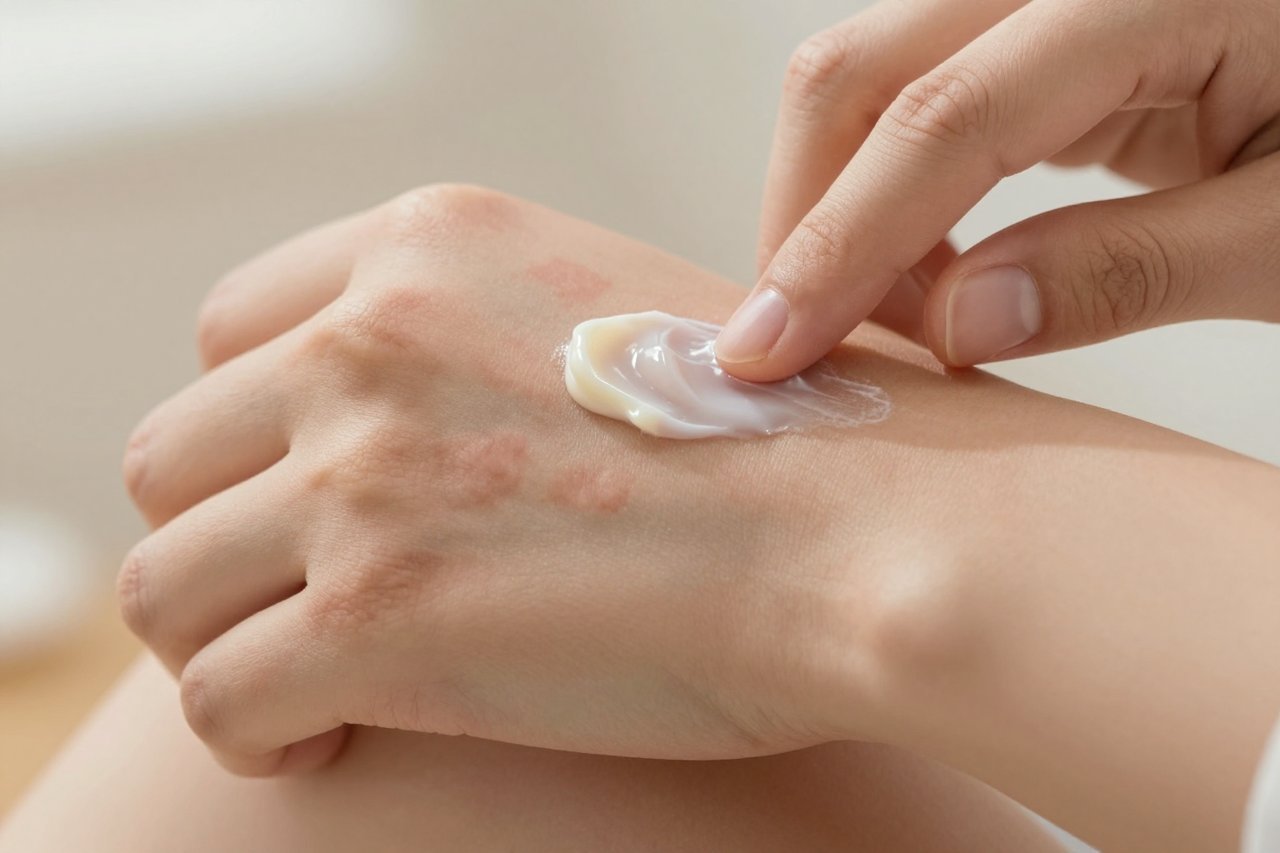
For mild to moderate psoriasis, topicals are usually the starting point. They come in creams, ointments, foams, and sprays.
Corticosteroids
These are the most commonly prescribed. They reduce inflammation and slow cell turnover. Potency varies widely—from over-the-counter hydrocortisone to high-strength prescription formulations like clobetasol. Short-term use on thick plaques works well, but long-term use on sensitive areas (face, groin) can cause thinning of the skin.

Vitamin D Analogues
Synthetic forms of vitamin D, such as calcipotriene (Dovonex), slow skin cell growth. They are often combined with corticosteroids for better results. For example, a fixed combination foam (calcipotriene plus betamethasone) is a popular choice for body plaques.
Topical Retinoids
Tazarotene (Tazorac) is a vitamin A derivative that normalizes cell growth. It can be irritating, so it’s often used sparingly or in a short-contact approach (apply for 30 minutes, then wash off).
Coal Tar and Anthralin
These older remedies are still effective. Coal tar reduces scaling and itching, though it smells strong and can stain. Anthralin (Dritho-Scalp) removes scales but can burn healthy skin—used carefully for short periods.
- Tip: Apply moisturizer after topicals to reduce irritation. Ointments are more potent but greasier; creams are cosmetically nicer but less powerful.
Phototherapy: Light That Heals
When topicals aren’t enough, phototherapy (light therapy) is a proven second-line psoriasis treatment. It uses ultraviolet light to slow cell growth and reduce inflammation.
UVB Phototherapy
Narrowband UVB (311-313 nm) is the gold standard. You stand in a light box for a few minutes, 2-3 times a week. At-home units are available with a prescription. Many patients see 75% clearance in 12-20 sessions.
PUVA (Psoralen + UVA)
You take a light-sensitizing drug (psoralen) before UVA exposure. It’s highly effective for stubborn plaques but increases skin cancer risk—used less often today.
Excimer Laser
This delivers a focused UVB beam to small, resistant patches. Great for scalp, elbows, and knees—spares surrounding healthy skin.
Systemic Medications: When Psoriasis Is Widespread
For moderate to severe psoriasis (covering more than 10% of body or affecting quality of life), oral or injectable medications can bring relief.
Traditional Oral Drugs
Methotrexate, cyclosporine, and acitretin have been used for decades. Methotrexate (weekly low dose) can be very effective but requires monitoring for liver toxicity. Cyclosporine works fast (2-4 weeks) but is used short-term due to kidney risks. Acitretin is a retinoid that’s safer long-term but less effective alone—often combined with phototherapy.
Biologics: Targeted Therapy
Biologics are proteins that block specific immune pathways involved in psoriasis. They are injected or infused. Examples include:
- TNF-alpha inhibitors: adalimumab (Humira), etanercept (Enbrel), infliximab (Remicade).
- IL-17 inhibitors: secukinumab (Cosentyx), ixekizumab (Taltz) – very fast, high clearance.
- IL-23 inhibitors: guselkumab (Tremfya), risankizumab (Skyrizi) – long-lasting, every 8-12 weeks.
Biologics often achieve 90% clearance or better, but they require screening for infections (TB, hepatitis) and are expensive. Many patients stay on them for years with good control.
Lifestyle and Home Remedies: Supporting Medical Care
No psoriasis treatment works as well without good daily habits. While not curative, these strategies can reduce flare frequency and severity.
Moisturize Daily
Thick, fragrance-free moisturizers (like CeraVe or Vanicream) lock in moisture and reduce scaling. Apply after bathing. Look for ingredients like ceramides, urea, or lactic acid.
Identify Triggers
Common triggers include stress, infections (strep throat), skin injuries (cuts, sunburns), cold weather, and certain medications (lithium, beta-blockers). Keep a diary to spot patterns.
Diet and Supplements
While no specific diet is proven, some people improve by reducing alcohol, gluten (if sensitive), and inflammatory foods. An anti-inflammatory diet (rich in fish, vegetables, olive oil) may help. Omega-3 supplements and vitamin D show modest benefit in some studies.
Stress Management
Stress is a major trigger. Mindfulness, meditation, yoga, or even a daily 10-minute walk can lower cortisol and calm flares. Cognitive behavioral therapy has been shown to reduce psoriasis severity.
Choosing the Right Treatment Path
Psoriasis treatment is not one-size-fits-all. A mild case on the elbows might only need a potent steroid ointment on weekends (the “weekend pulse” method). But if you have plaques on your scalp, nails, and palms, you may need a combination—topicals plus phototherapy plus a biologic. Your dermatologist will consider body surface area, location, joint involvement, and your preferences.
Newer oral medications like apremilast (Otezla) offer a middle ground for moderate psoriasis without the immune suppression of biologics. And JAK inhibitors (tofacitinib, upadacitinib) are emerging for both skin and joints.
The Future of Psoriasis Treatment
Research is moving toward personalized medicine. Genetic markers may soon predict which drug works best for you. Topical creams that target the same pathways as biologics are in clinical trials. And there’s growing interest in microbiome-based therapies—altering gut bacteria to reduce inflammation.
Living with psoriasis requires patience, but the landscape is brighter than ever. With a tailored approach combining medical treatment, lifestyle habits, and support, most people can achieve clear or nearly clear skin and regain confidence. Work closely with your dermatologist, ask questions, and don’t settle for “just living with it.”


