
Table of Contents
Understanding Fungal Infections: More Than Just an Itch
Fungal infections are incredibly common—affecting millions of people each year. From athlete’s foot to ringworm, yeast infections to nail fungus, these conditions can be stubborn and uncomfortable. The key to successful fungal infection treatment lies in identifying the specific type of fungus and choosing the right approach. In this article, we’ll walk through proven treatments, what to avoid, and how to prevent recurrence.
Common Types of Fungal Infections and Their Signs
Before jumping into treatment, it helps to know what you’re dealing with. Here are some of the most frequent culprits:
- Athlete’s foot (tinea pedis): Itching, burning, and cracked skin between the toes.
- Ringworm (tinea corporis): A circular, red, scaly rash that can appear anywhere on the body.
- Jock itch (tinea cruris): A red, itchy rash in the groin area.
- Yeast infections (candidiasis): Often affects the vagina, mouth (thrush), or skin folds.
- Nail fungus (onychomycosis): Thickened, discolored, brittle nails.
Each type may require a slightly different treatment strategy, so accurate diagnosis matters.
Over-the-Counter (OTC) Treatments: First Line of Defense
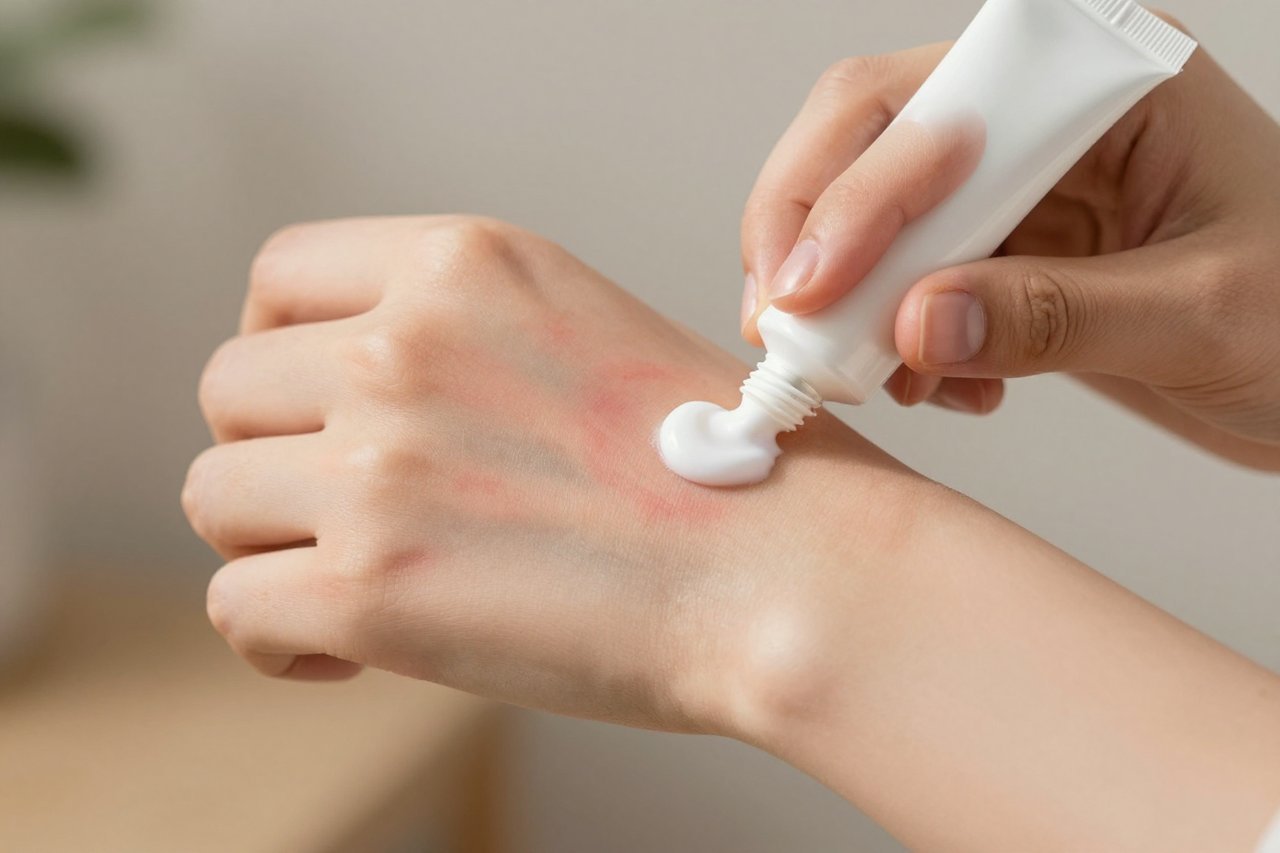
For mild to moderate fungal infections, OTC antifungal creams, sprays, and powders are often effective. Common active ingredients include clotrimazole, miconazole, terbinafine, and tolnaftate. These are typically applied directly to the affected area once or twice daily for 2–4 weeks.

For ringworm treatment, terbinafine cream often works faster than clotrimazole, sometimes clearing the rash in just one week. However, for stubborn cases, a longer course may be needed. Athlete’s foot often responds well to a combination of topical antifungal and keeping feet dry.
When OTC Isn’t Enough
If you’ve used an OTC product consistently for two weeks without improvement, or if the infection is widespread, it’s time to see a healthcare provider. Prescription-strength options include higher-concentration creams, oral medications like fluconazole or terbinafine, and medicated nail lacquers.
Prescription Treatments: Stronger Medicine for Stubborn Infections
For fungal infections that don’t respond to OTC treatments, your doctor may prescribe:
- Oral antifungals: Tablets like fluconazole (Diflucan) for yeast infections or terbinafine (Lamisil) for nail fungus and ringworm. These work systemically but may have side effects and require monitoring.
- Prescription topical antifungals: Creams like econazole or ketoconazole, often stronger than OTC versions.
- Medicated nail polish: Ciclopirox or efinaconazole for nail fungus, applied daily for months.
For vaginal yeast infections, a single oral dose of fluconazole is a common and effective treatment. You can read more about yeast infection treatment options for a deeper dive.
Home Remedies and Natural Approaches: Do They Work?
Many people turn to home remedies for fungal infections, but evidence is mixed. Tea tree oil, apple cider vinegar, and garlic have antifungal properties in lab studies, but clinical data is limited. For mild cases, diluted tea tree oil applied to the skin may help, but it can cause irritation. Apple cider vinegar soaks might relieve itching but won’t cure a deep infection.
A better approach is to combine gentle home care with proven treatments. Keep the area clean and dry, wear breathable fabrics, and avoid sharing towels or shoes. For skin infections, good hygiene can speed up recovery and reduce spread.
Preventing Recurrence: The Missing Piece
Many people treat a fungal infection only to have it return weeks later. Prevention is just as important as the initial fungal infection treatment. Here’s how to break the cycle:
- Keep skin dry, especially in folds and between toes. Use a hair dryer on low heat to dry hard-to-reach areas.
- Wear moisture-wicking socks and change them daily. Avoid walking barefoot in public showers or locker rooms.
- Disinfect shoes and floors if you’ve had athlete’s foot. Fungi can survive on surfaces for months.
- Avoid tight, non-breathable clothing. Cotton underwear and loose pants help prevent jock itch.
- If you have diabetes, keep blood sugar under control—high glucose levels promote yeast overgrowth.
For those prone to recurrent vaginal yeast infections, consider probiotics or dietary changes. Some women find that reducing sugar and refined carbs helps. You can explore new prevention methods for vaginal infections for more insights.
When to See a Doctor
Most fungal infections can be treated at home, but certain signs warrant a medical visit:
- The infection covers a large area or spreads rapidly.
- You have a weakened immune system (due to HIV, chemotherapy, or medications like steroids).
- You notice signs of bacterial superinfection—increased pain, pus, or fever.
- The infection hasn’t improved after two weeks of OTC treatment.
- Nail fungus is present—it rarely resolves without prescription treatment.
A doctor can perform a skin scraping or culture to confirm the type of fungus and tailor treatment accordingly.
Myths About Fungal Infection Treatment
There’s plenty of misinformation out there. Let’s clear up a few common myths:
- Myth: All rashes are ringworm. Many skin conditions—eczema, psoriasis, contact dermatitis—can mimic ringworm. Using an antifungal cream on eczema can actually worsen it.
- Myth: Nail fungus can be cured with topical cream alone. Most topical treatments can’t penetrate the nail plate effectively. Oral medication or medicated nail lacquer is usually needed.
- Myth: You can’t get a yeast infection from antibiotics. Actually, antibiotics kill beneficial bacteria, allowing yeast to overgrow. This is a well-known cause.
For a detailed look at distinguishing and treating skin infections, check out our guide on skin infection treatment and prevention.
Special Considerations for Different Body Areas
Feet and Nails
Athlete’s foot and nail fungus often coexist. Treat both simultaneously to prevent reinfection. For toenail fungus, oral terbinafine taken for 12 weeks has a cure rate of about 70–80%. Topical treatments have lower success rates but can be used for mild cases or if oral meds aren’t suitable.
Groin Area
Jock itch is common in athletes and those who sweat heavily. Keep the area dry and use an antifungal powder. Avoid using steroid creams, as they can thin the skin and make the infection worse.
Face and Scalp
Ringworm on the face or scalp requires medical attention. Scalp ringworm (tinea capitis) needs oral antifungals because topical creams can’t penetrate hair follicles. It’s contagious, so family members may need treatment too.
Fungal Infections in Special Populations
People with diabetes are at higher risk for fungal infections, especially in the feet and groin. Poor circulation and high blood sugar create a favorable environment. If you have diabetes, inspect your feet daily and treat any cracks or infections promptly to avoid complications.
For those on immunosuppressive therapy, fungal infections can become severe. Early treatment with prescription medications is essential. Similarly, elderly individuals may have nail fungus that is difficult to treat due to slower nail growth and multiple health conditions.
If you’re dealing with a sinus infection that might be fungal in origin, read about sinusitis treatment and prevention for more information.
Choosing the Right Antifungal: A Practical Guide
With so many products on the shelf, how do you choose? Here’s a quick reference:
- For athlete’s foot and ringworm: Terbinafine cream (OTC) works fast. Use for 1–2 weeks.
- For jock itch: Clotrimazole or miconazole cream, plus antifungal powder to keep dry.
- For vaginal yeast infections: OTC miconazole or clotrimazole suppositories, or a single fluconazole pill (prescription).
- For nail fungus: See a doctor. Prescription oral meds or medicated nail lacquer are standard.
- For diaper rash (candida): Nystatin cream or miconazole, plus frequent diaper changes.
Always read the label and use the product for the full recommended duration, even if symptoms improve sooner. Stopping early is a common reason for recurrence.
Final Practical Tips
Treating a fungal infection requires patience. It can take weeks for skin infections to clear and months for nail fungus. During treatment, continue preventive measures to avoid reinfecting yourself or others. Wash towels, bedding, and clothing in hot water. Don’t share personal items like razors or nail clippers.
If you’re unsure about the type of infection or the best treatment, a telehealth visit can be a convenient first step. Many doctors can diagnose from photos and prescribe if needed.
Remember, not every itch is a fungal infection. Allergies, dry skin, and bacterial infections can look similar. When in doubt, get it checked out. Accurate diagnosis leads to faster, more effective treatment.


