
Table of Contents
Constipation is one of those health issues that nobody likes to talk about, but nearly everyone experiences at some point. Whether it’s a few days of discomfort or a chronic struggle, finding the right constipation treatment can transform your quality of life. The good news? Most cases respond well to simple, natural approaches. Let’s walk through what actually works—and what to avoid.
First, What Is Constipation Exactly?
Doctors define constipation as having fewer than three bowel movements per week, with stools that are hard, dry, and difficult to pass. But it’s not just about frequency—straining, a feeling of incomplete evacuation, or a block-like sensation also count. If you’ve been dealing with this for more than three months, it’s considered chronic.
Dietary Changes: The Foundation of Constipation Treatment
Before reaching for a laxative, look at what’s on your plate. Diet is the single most powerful tool for most people.
Fiber: The Right Kind and the Right Amount
Fiber adds bulk to stool and helps it move through the colon. But not all fiber is equal. Insoluble fiber (found in wheat bran, vegetables, and whole grains) acts like a scrub brush. Soluble fiber (found in oats, apples, and psyllium) absorbs water and forms a gel that softens stool. Aim for 25–35 grams daily. A simple swap: replace white rice with quinoa or barley, and snack on an apple instead of chips.

Hydration: Water Makes Fiber Work
Fiber without enough water can actually worsen constipation. Think of fiber as a sponge—it needs fluid to swell and soften. Drink at least 8–10 cups of water per day. Herbal teas and water-rich fruits like watermelon also count. If your urine is dark yellow, you’re likely dehydrated.
Probiotic-Rich Foods
Your gut microbiome plays a major role in bowel regularity. Fermented foods like yogurt, kefir, sauerkraut, and kimchi introduce beneficial bacteria that can improve transit time. A study in Nutrients found that daily probiotics increased stool frequency by 1.5 bowel movements per week. Not bad for a spoonful of yogurt.
Lifestyle Adjustments That Make a Difference
Sometimes the problem isn’t what you eat, but how you live. Small tweaks can yield big results.
Move Your Body
Physical activity stimulates the natural contractions of your intestines. Even a 20-minute walk after meals can help. A 2019 review in Scandinavian Journal of Gastroenterology showed that moderate exercise improved constipation symptoms in 73% of participants. Yoga poses like “child’s pose” or “knees to chest” are particularly good for massaging the colon.
Don’t Ignore the Urge
When you feel the need to go, go. Holding it in allows the colon to reabsorb water from the stool, making it harder. Set aside a regular time each day—often after breakfast—to sit on the toilet for 5–10 minutes, even if nothing happens. This trains your body’s natural rhythm.
Check Your Medications
Many common drugs list constipation as a side effect: opioids, antidepressants, iron supplements, and some blood pressure medications. If you suspect a link, talk to your doctor about alternatives. Never stop a prescribed medication without guidance.
Over-the-Counter Options: When You Need Extra Help
If lifestyle changes aren’t enough, OTC remedies can provide short-term relief. But use them wisely.
- Bulk-forming laxatives (psyllium, methylcellulose): These are the safest for long-term use. They work like fiber, absorbing water to form soft, bulky stool. Results in 12–72 hours.
- Osmotic laxatives (polyethylene glycol, lactulose): These pull water into the colon to soften stool. Polyethylene glycol (Miralax) is gentle and non-habit-forming. Works in 24–48 hours.
- Stool softeners (docusate): These help water mix with stool but are less effective than other options. Best for preventing straining after surgery.
- Stimulant laxatives (bisacodyl, senna): These trigger intestinal contractions. They’re effective but should only be used occasionally—habitual use can weaken the colon’s natural function.
If you have irritable bowel syndrome (IBS), some laxatives may worsen cramping. It’s worth reading about Irritable Bowel Syndrome Treatment: What Actually Works for tailored strategies.
Natural Remedies and Home Hacks
Prunes and Prune Juice
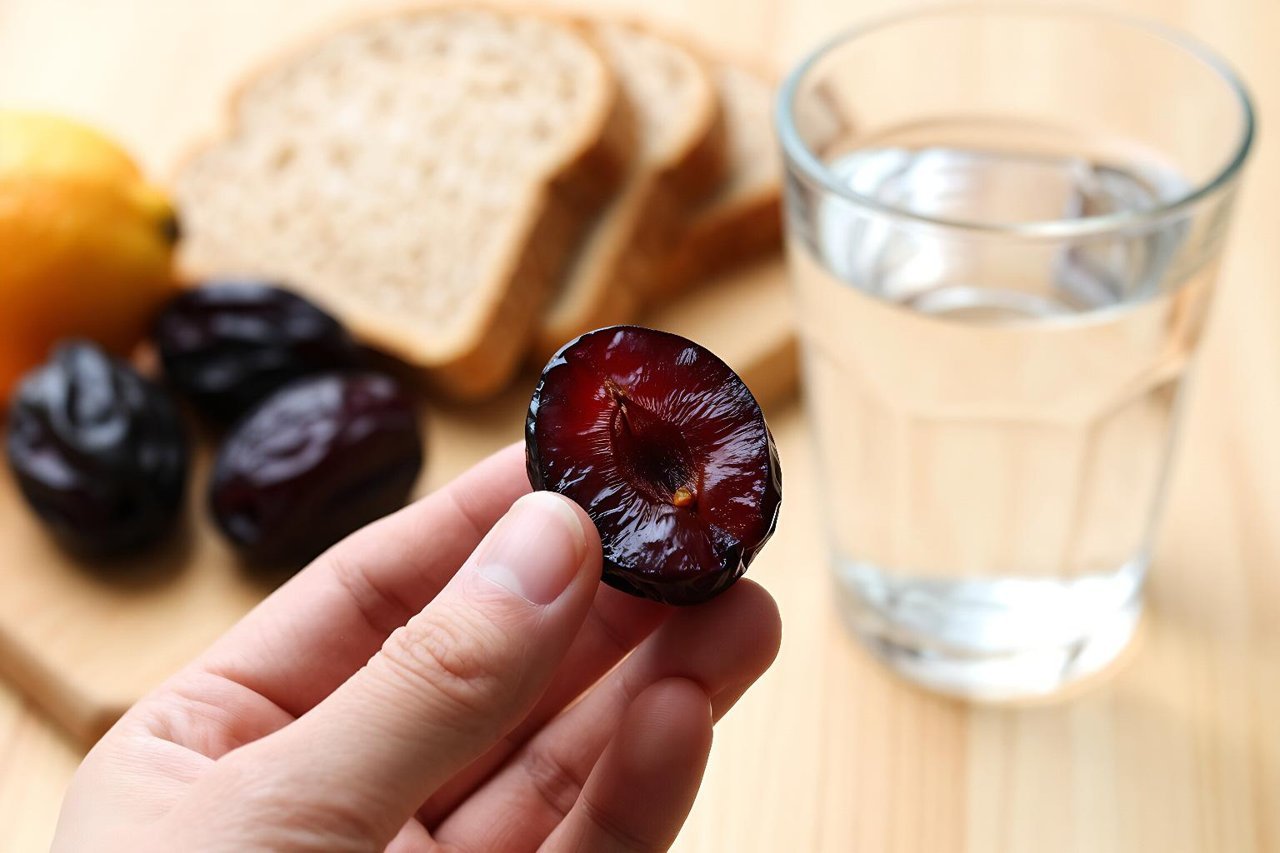
Prunes contain sorbitol, a sugar alcohol that acts as a natural laxative. A 2022 study found that eating 50 grams of prunes (about 5–6) daily improved stool consistency and frequency significantly better than psyllium. Dried figs and kiwis have similar effects.
Warm Lemon Water in the Morning
While not a cure-all, a cup of warm water with lemon can stimulate digestion and hydrate you first thing. It’s a gentle way to kickstart peristalsis.
Castor Oil Packs
Castor oil has a long history as a laxative. Taking 1–2 teaspoons orally can produce a bowel movement within 2–6 hours. But it’s strong and can cause cramping—use sparingly. Some people apply castor oil packs to the abdomen for a milder effect, though evidence is limited.
When to See a Doctor
Most constipation resolves with these measures, but certain red flags warrant medical attention:
- Blood in your stool
- Unexplained weight loss
- Severe abdominal pain
- Constipation that persists despite treatment for more than three weeks
- Family history of colon cancer
Your doctor may perform tests to rule out conditions like hypothyroidism, diabetes, or colon obstruction. In rare cases, constipation can be a symptom of more serious issues, such as Non-Hodgkin’s Lymphoma or Neuroblastoma, though these are extremely uncommon. Don’t panic—just get checked.
Prescription Treatments for Chronic Constipation
If OTC options fail, newer prescription drugs can help. These include lubiprostone (Amitiza), linaclotide (Linzess), and plecanatide (Trulance). They work by increasing fluid secretion in the gut or speeding up transit. A 2020 meta-analysis in The American Journal of Gastroenterology found that these drugs improved bowel frequency by 1–2 movements per week compared to placebo. They’re not for everyone, but they’re a valid option under a doctor’s supervision.
The Role of Stress and Mental Health
The gut-brain connection is real. Stress hormones can slow down digestion and trigger constipation. Techniques like deep breathing, meditation, and cognitive behavioral therapy have shown benefit—even in studies where participants didn’t change their diet. If you notice constipation flares during stressful periods, addressing the root cause might be part of your treatment plan.
Preventing Constipation Long-Term
The best treatment is prevention. Build these habits into your routine:
- Eat a high-fiber diet with plenty of fruits, vegetables, and whole grains.
- Drink water consistently throughout the day.
- Exercise for at least 30 minutes most days.
- Respond to your body’s signals promptly.
- Limit processed foods and red meat, which can slow things down.
And remember, everyone’s digestive system is different. What works for your friend might not work for you. It’s okay to experiment—just be patient. If you have underlying conditions like Mesothelioma or Myeloma, or are managing acid reflux, your constipation treatment may need to be coordinated with your overall care plan. Always loop in your healthcare provider before starting new supplements or medications. With the right approach, relief is not only possible—it’s likely.


