
Table of Contents
Laser skin resurfacing has become a go-to treatment for anyone looking to improve skin texture, reduce wrinkles, and fade scars without invasive surgery. Whether you’re considering it for the first time or just curious about the science behind it, this guide breaks down everything you need to know—from how lasers actually work to what recovery feels like.
How Laser Skin Resurfacing Works
At its core, laser skin resurfacing uses concentrated beams of light to remove damaged outer layers of skin while stimulating collagen production in the deeper layers. The body’s natural healing process then replaces the treated skin with new, smoother, more youthful-looking skin. Different wavelengths target different concerns: some focus on water in the skin cells to vaporize tissue, while others heat the dermis to trigger collagen remodeling without removing the surface.
The precision of modern lasers allows practitioners to control the depth and intensity of treatment, making it suitable for a range of skin types and issues. The result is a dual action—exfoliation and regeneration—that can dramatically improve skin quality over a series of sessions.
Types of Laser Resurfacing
Not all lasers are created equal. The right choice depends on your skin type, the severity of your concerns, and your desired downtime.

Ablative Lasers
Ablative lasers, such as CO2 and erbium YAG, vaporize the top layers of skin. They’re the most aggressive option and deliver the most dramatic results for deep wrinkles, significant sun damage, and severe acne scars. Recovery takes longer—typically one to two weeks of redness and peeling—but many patients see a 50-70% improvement in texture and tone after one treatment.
Non-Ablative Lasers
Non-ablative lasers, like Nd:YAG and diode lasers, heat the underlying dermis without damaging the surface. They stimulate collagen gradually and require multiple sessions (usually 3-5) spaced a month apart. Downtime is minimal—just mild redness for a day or two—making them a popular lunchtime procedure for mild wrinkles, redness, and uneven texture.
Fractional Lasers
Fractional lasers fall somewhere in between. They create microscopic columns of thermal injury in the skin, leaving surrounding tissue intact to speed healing. Fractional CO2 and erbium lasers combine some of the power of ablative treatments with faster recovery. They’re excellent for treating sunspots, fine lines, and scarring with moderate downtime of about a week.
What to Expect During and After Treatment
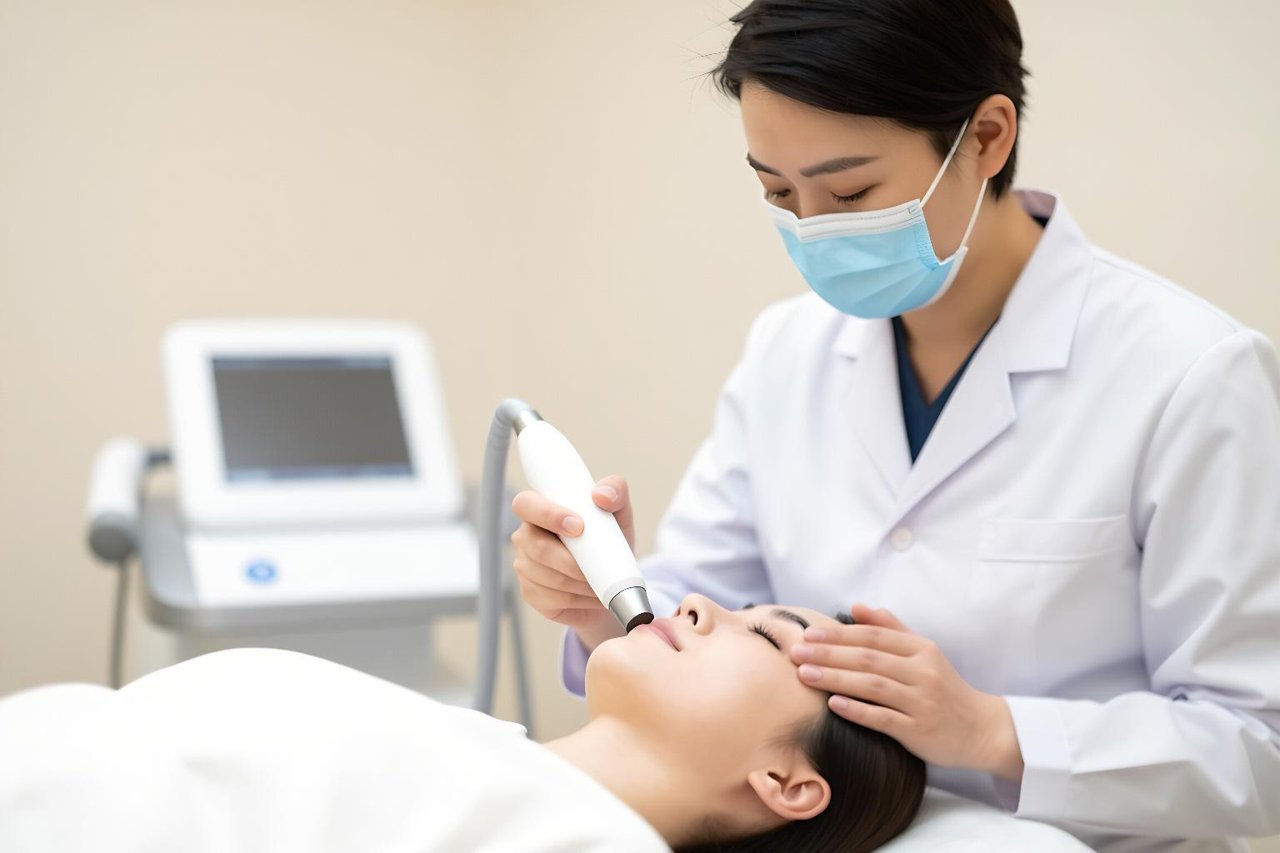
Before your session, your provider will apply a numbing cream to minimize discomfort. You’ll wear protective eyewear, and the laser handpiece will be passed over the treatment area. Depending on the size of the area and the type of laser, the session can last from 30 minutes to two hours. Most people describe the sensation as a rubber band snapping against the skin, followed by a warm, prickly feeling.
Immediately after, the skin will be red, swollen, and sensitive—like a sunburn. For ablative treatments, you may experience oozing and crusting for a few days. Non-ablative and fractional treatments have milder reactions. Your doctor will prescribe an ointment and specific skincare routine to protect the new skin. Sun protection is non-negotiable for at least three months post-treatment.
Results aren’t instant. Collagen remodeling takes time—you’ll see initial improvements in skin texture within a week, but the full effect unfolds over three to six months. Many patients schedule a series of sessions, especially for non-ablative and fractional lasers.
Ideal Candidates and Skin Concerns
Laser skin resurfacing works best for fair-skinned individuals because darker skin tones have a higher risk of hyperpigmentation. However, newer lasers and careful protocols can treat melanin-rich skin safely when performed by an experienced provider. Common issues that respond well include:
- Fine lines and wrinkles around the eyes and mouth
- Sun-damaged skin with uneven pigmentation
- Acne scars (both rolling and boxcar types)
- Enlarged pores and rough texture
- Age spots and freckles
If you have active acne, a history of keloids, or use isotretinoin, you may not be a candidate. A thorough consultation with a board-certified dermatologist or plastic surgeon is essential.
Risks and Side Effects
While generally safe, laser resurfacing carries risks. Temporary side effects include redness, swelling, itching, and peeling. More serious but rare complications can involve infection, scarring, changes in skin color (either darkening or lightening), and cold sore reactivation. Choosing a qualified professional and following pre- and post-care instructions minimizes these risks. For example, a strong antiviral medication is often prescribed before treatment to prevent herpes outbreaks.
It’s also worth noting that your skin may feel tight and dry for weeks after ablative treatments. A rich moisturizer and gentle cleanser become your best friends during recovery.
Cost and Maintenance
Laser skin resurfacing is an investment. Ablative treatments can range from $2,000 to $5,000 per session, while non-ablative and fractional lasers typically cost $300 to $1,500 per session. Most insurance does not cover cosmetic procedures, so factor in the full cost of multiple sessions if needed.
Maintenance is key to long-term results. Even after your skin has healed, a robust skincare routine—including daily SPF, antioxidants, and retinoids—will prolong the benefits. As we explain in Your Skin After 30: The Anti-Aging Skincare Routine That Actually Works, consistent care amplifies and extends the effects of in-office treatments.
Combining Laser Resurfacing with Other Treatments
For maximum rejuvenation, many people pair laser resurfacing with other modalities. For instance, dermal fillers can restore volume in the midface and lips while laser treatments tackle texture and pigmentation. Similarly, patients with active acne may first need to control breakouts—our Complete Guide to Acne Treatment: What Actually Works in 2025 outlines effective options—before undergoing resurfacing for scars.
Topical products can also play a supporting role. Ingredients like niacinamide, vitamin C, and peptides help manage oxidative stress, which accelerates aging. For deeper insight into how free radicals impact skin, read How Does Oxidative Stress Show Up on Our Skin?. And if you’re exploring non-invasive alternatives to Botox, the article on 11 “Botox in a Bottle” Skin-Care Products, According to Derms offers dermatologist-approved recommendations that can complement your laser results.
For those bothered by under-eye bags, laser resurfacing can help tighten the skin, but more stubborn issues may require specialized approaches. Check Under Eye Bags Treatment: Proven Solutions That Really Work for additional options.
Ultimately, the best approach is a personalized plan designed with your skincare provider. Laser skin resurfacing is a powerful tool, but it works best when integrated into a comprehensive strategy that includes at-home care and complementary procedures. Take the time to research, ask questions, and choose a practitioner you trust—your skin will thank you.


