
Table of Contents
Inflammation is your body’s natural response to injury or infection. But when it becomes chronic—lingering for months or years—it can contribute to heart disease, arthritis, diabetes, and even cognitive decline. The good news? What you eat plays a massive role in calming that internal fire. An anti-inflammatory diet isn’t a trendy fad—it’s a science-backed way of eating that prioritizes whole, nutrient-dense foods. Here’s exactly how to do it.
What Is an Anti-Inflammatory Diet?
An anti-inflammatory diet is not a rigid meal plan you follow for a few weeks. It’s a pattern of eating that emphasizes foods known to reduce markers of inflammation like C-reactive protein (CRP), while eliminating or limiting foods that trigger it. Think of it as a Mediterranean-style approach: plenty of vegetables, fruits, healthy fats, lean protein, and fiber, with very little processed food, sugar, and unhealthy oils.
Several well-studied diets—like the Mediterranean diet—are inherently anti-inflammatory. The key is consistency. You won’t undo years of inflammation with one salad, but over time, your body will thank you.
Top Anti-Inflammatory Foods to Eat
These foods are backed by research for their ability to lower inflammation. Aim to include a variety from each category.

Fruits and Vegetables
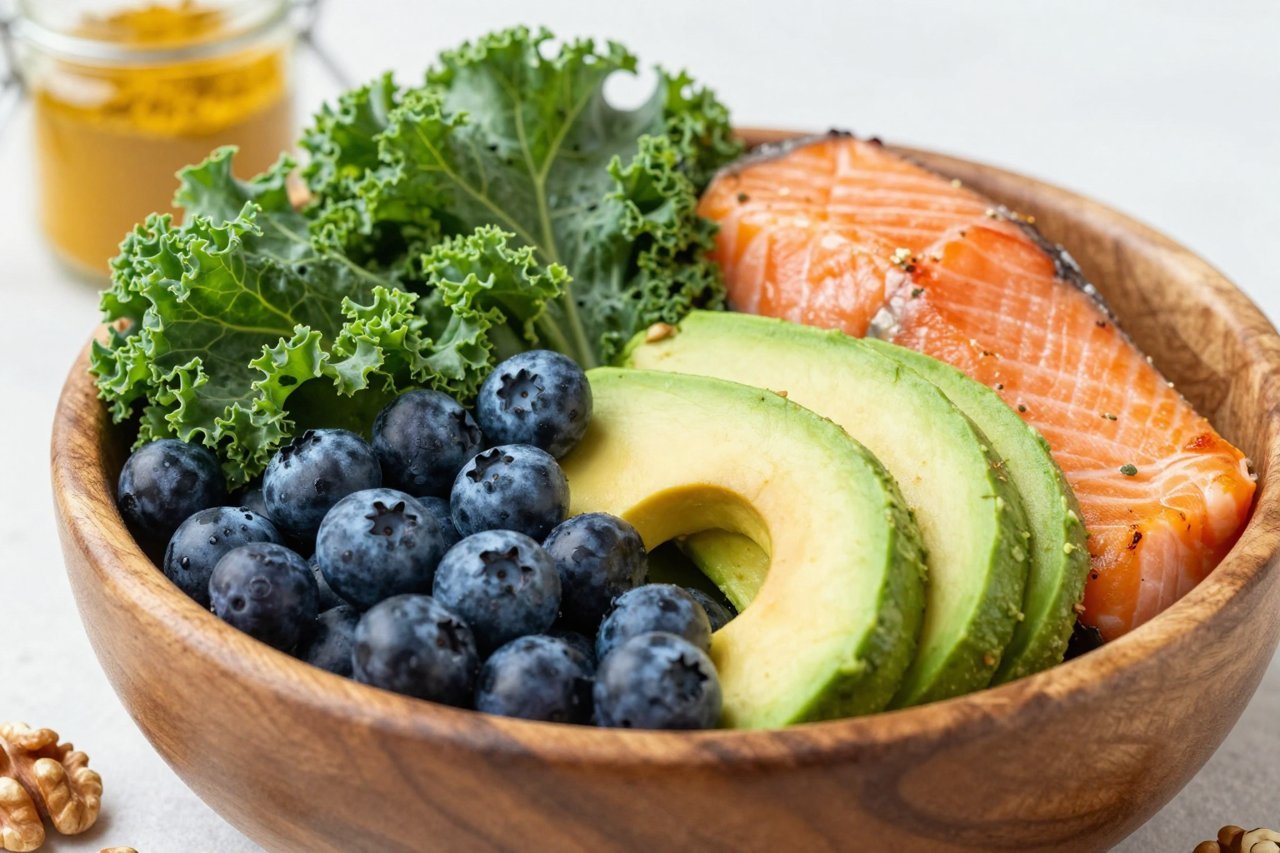
Color is your clue. Deeply pigmented produce contains antioxidants called polyphenols that neutralize free radicals. Berries (blueberries, strawberries), leafy greens (spinach, kale), cruciferous veggies (broccoli, Brussels sprouts), and bell peppers are superstars. Arugula, for instance, packs a punch with glucosinolates that support detoxification. Eat at least five servings of vegetables and two servings of fruit daily.
Healthy Fats
Omega-3 fatty acids are potent anti-inflammatories. Fatty fish like salmon, mackerel, anchovies, and sardines are the best sources—aim for two servings per week. Extra virgin olive oil, avocados, and nuts (especially walnuts) also help. The Mediterranean diet, which we’ve covered in depth here, is built around these fats.
Herbs and Spices
Turmeric and ginger are the rock stars. Curcumin in turmeric blocks inflammatory molecules, but you need black pepper to absorb it. Ginger works similarly. Try our ginger turmeric immunity shots for a quick daily boost. Other spices like cinnamon, cloves, and rosemary also offer benefits.
Lean Protein and Fermented Foods
Choose skinless poultry, beans, lentils, and tofu over red and processed meats. Fermented foods—yogurt, kefir, sauerkraut, kimchi—support gut health, which is directly linked to inflammation.
Foods to Avoid on an Anti-Inflammatory Diet
Just as important as what you add is what you remove. These foods are known to stoke inflammation:
- Refined carbohydrates: White bread, pastries, white rice, and sugary cereals spike blood sugar and promote inflammation.
- Processed meats: Bacon, sausages, hot dogs, and deli meats contain preservatives and advanced glycation end products (AGEs) that trigger inflammation.
- Sugary beverages: Soda, sweetened teas, and fruit drinks flood the body with fructose, a major driver of inflammatory markers.
- Trans fats and refined oils: Found in margarine, fried foods, and many packaged snacks. They increase bad cholesterol and inflammation.
- Excessive alcohol: While red wine in moderation may be fine, heavy drinking disrupts gut health and promotes inflammation.
An Anti-Inflammatory Day of Eating
Seeing it all come together helps. Here’s a sample day that hits the key anti-inflammatory principles:
Breakfast: Oatmeal topped with blueberries, walnuts, and a sprinkle of cinnamon. A side of scrambled eggs with spinach.
Lunch: Large salad of mixed greens, grilled salmon, avocado, cherry tomatoes, cucumber, and a lemon-olive oil dressing.
Snack: Carrot sticks with hummus or an apple with almond butter.
Dinner: Stir-fried vegetables (broccoli, bell peppers, snap peas) with baked tofu or chicken, seasoned with ginger and turmeric, served over quinoa.
For those with autoimmune conditions, a more structured approach like the Autoimmune Protocol (AIP) diet may help identify specific food triggers.
Simple Ways to Add Anti-Inflammatory Foods to Your Routine
You don’t have to overhaul your kitchen overnight. Small shifts make a big difference:
- Swap your morning pastry for a bowl of berries and yogurt.
- Replace vegetable oil with extra virgin olive oil in cooking and dressings.
- Snack on unsalted nuts instead of chips.
- Drink anti-inflammatory herbal tea in the evening—ginger, turmeric, and chamomile all help.
- Add a handful of leafy greens to every meal, even breakfast.
Consistency matters more than perfection. If you eat mostly whole foods and limit processed items, you’re already on the right track. Start with one meal today and build from there.