
Table of Contents
If you’ve looked into weight loss or metabolic health lately, you’ve likely come across the ketogenic diet. Known simply as keto, this low-carb, high-fat eating plan has exploded in popularity. But beneath the hype lies a real physiological shift—one that can offer profound benefits when done correctly. This guide walks you through the science, the practical steps, and the precautions so you can decide if keto is right for you.
What Is the Keto Diet?
The keto diet flips the standard nutritional pyramid. Instead of getting most of your energy from carbohydrates, you rely on fat—about 70-80% of your daily calories. Protein makes up around 20%, and carbs are restricted to 20-50 grams per day. This drastic carb cut forces your body into a state called ketosis, where it burns fat for fuel instead of glucose.
The result? Your liver converts fat into ketones, which serve as an alternative energy source for your brain and muscles. Many people report sharper mental focus, stable energy levels, and, of course, accelerated fat loss.
How Does the Keto Diet Work?
To understand keto, you need to grasp the concept of metabolic flexibility. Normally, your body runs on glucose from carbs. When you starve it of carbs, glycogen stores deplete, and insulin levels drop. After a few days, your liver starts producing ketones from stored body fat and dietary fat. This is nutritional ketosis.

Ketosis isn’t an all-or-nothing state. Blood ketone levels between 0.5 and 3.0 mmol/L are considered optimal for most benefits. You can measure them with urine strips (less accurate) or a blood meter (more precise). Staying within this range requires careful macronutrient tracking, especially in the beginning.
Macronutrient Breakdown
A typical keto macro split might look like this:
- Fat: 70-80% of total calories (from sources like avocado, olive oil, nuts, seeds, and fatty fish)
- Protein: 15-20% (moderate intake to avoid gluconeogenesis—converting protein to glucose)
- Carbs: 5-10% (mostly from non-starchy vegetables)
This breakdown isn’t one-size-fits-all. Active individuals may need slightly more protein, while sedentary folks can get away with less.
Health Benefits of the Keto Diet
Keto’s biggest claim is rapid weight loss, especially in the first few weeks. That initial drop is partly water weight as glycogen stores empty, but after that, body fat takes over. Controlled studies show that ketogenic diets can lead to greater short-term weight loss than low-fat diets.
Beyond the scale, keto offers compelling metabolic benefits:
- Blood sugar control: By removing carbohydrates, blood glucose and insulin levels plummet. This makes keto a powerful tool for managing type 2 diabetes or prediabetes.
- Reduced hunger: Ketones and higher fat intake suppress appetite naturally, making calorie restriction easier without feeling deprived.
- Mental clarity: Many people report improved focus and fewer energy crashes. Ketones are a stable fuel for the brain.
- Triglyceride and HDL improvements: Keto often lowers triglycerides and raises HDL (the “good” cholesterol), though LDL may increase in some individuals—a nuanced effect discussed in this detailed breakdown of keto benefits and risks.
Potential Risks and Side Effects
Keto isn’t without its downsides. The most common hurdle is the “keto flu”—a collection of symptoms like headache, fatigue, irritability, and brain fog that occur as your body adapts to ketosis. This usually lasts a few days to a week and can be mitigated by staying hydrated and supplementing with electrolytes (sodium, potassium, magnesium).
Longer term, some people experience constipation due to low fiber intake, nutrient deficiencies (especially B vitamins and vitamin C), and an increase in LDL cholesterol—particularly if they rely on processed meats and unhealthy fats. A well-formulated keto diet emphasizes whole foods: avocados, leafy greens, nuts, seeds, and high-quality oils. For a deeper dive into the pros and cons, check out the comprehensive effects, benefits, and precautions overview.
Foods to Eat and Avoid
Knowing what to put on your plate is essential. Here’s a quick guide:
Eat Freely
- Meat and poultry (beef, chicken, lamb, pork, bacon)
- Fatty fish (salmon, mackerel, sardines)
- Eggs (pasture-raised if possible)
- Low-carb vegetables (spinach, kale, broccoli, cauliflower, zucchini)
- Healthy fats (avocado, olive oil, coconut oil, butter, ghee)
- Nuts and seeds (almonds, macadamia, chia, flax)
- Full-fat dairy (cheese, cream, yogurt—watch carbs in milk)
Avoid
- Sugary foods (soda, candy, desserts, fruit juice)
- Grains (wheat, rice, oats, corn, bread, pasta)
- Most fruits (berries in small amounts are okay)
- Starchy vegetables (potatoes, sweet potatoes, beets)
- Legumes (beans, lentils, chickpeas)
- Unhealthy fats (margarine, processed vegetable oils)
Reading labels becomes a habit. Many packaged “keto-friendly” products use sugar alcohols or processed fibers—some can still spike blood sugar.
Sample Keto Meal Ideas
Getting started doesn’t have to be complicated. Here’s what a day might look like:
- Breakfast: Scrambled eggs cooked in butter with sautéed spinach and half an avocado.
- Lunch: Large salad with grilled chicken, mixed greens, cherry tomatoes, cucumber, olives, and a generous drizzle of olive oil.
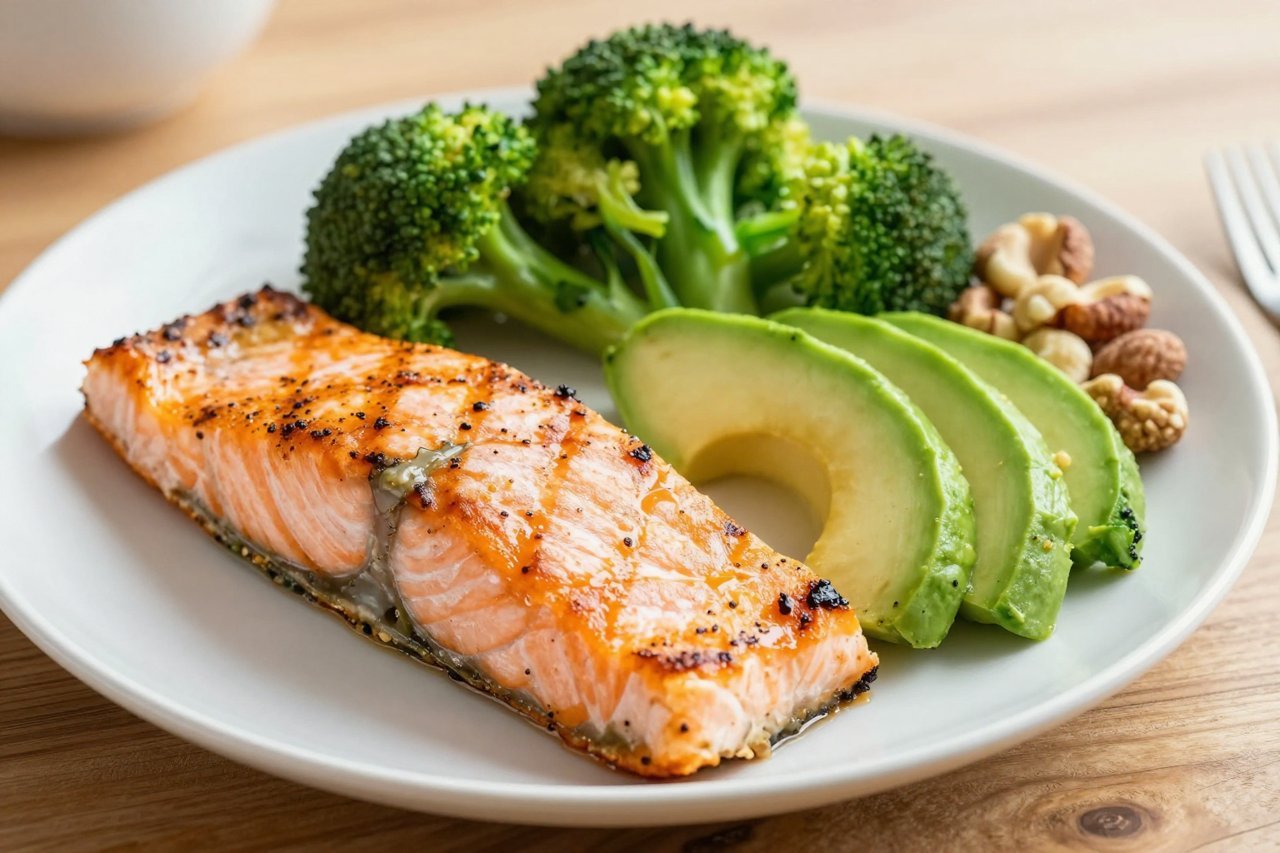
- Dinner: Baked salmon with a side of roasted broccoli drizzled with lemon and melted ghee.
- Snack: A handful of almonds or celery sticks with almond butter.
Hydration is key. Drink water throughout the day and consider adding a pinch of salt to your meals to maintain electrolyte balance.
Who Should Avoid Keto?
Keto isn’t safe for everyone. People with certain medical conditions should consult a doctor before starting:
- Type 1 diabetes (risk of diabetic ketoacidosis)
- Pancreatic or liver disease
- Gallbladder issues (high fat intake can worsen symptoms)
- Eating disorders or a history of disordered eating
- Pregnancy or breastfeeding—ketone levels need careful monitoring
If you’re on medication, especially for blood pressure or diabetes, doses may need adjustment. Working with a healthcare provider or a certified nutrition coach is wise. For those looking to deepen their knowledge, top continuing education courses for nutrition coaches in 2025 can help professionals guide clients safely.
Tips for Starting Keto
Transitioning into ketosis is easier with a few strategies:
Ease into it. Instead of going cold turkey, gradually reduce carbs over a week while increasing healthy fats. This lessens the shock to your system.
Don’t fear salt. As insulin drops, your kidneys excrete more sodium. Add 1–2 grams of salt per day to avoid headaches and cramps.
Prioritize sleep and stress management. Cortisol can hinder ketosis. Aim for 7–8 hours of quality sleep and incorporate mindfulness or gentle movement.
Track your macros at first. Use an app like Cronometer or MyFitnessPal to ensure you’re hitting your targets. Once you’re comfortable, you can rely on intuitive eating.
If you’re interested in sustainable weight loss approaches beyond just keto, the evidence-based weight loss diet guide offers a broader perspective on what really works long term.
Keto and Long-Term Sustainability
Keto can be a powerful tool, but it’s restrictive. Many people find it hard to maintain for years. Some cycle in and out of ketosis, others use it as a short-term intervention, and a few adopt it as a lifelong lifestyle. The key is to listen to your body. If you love it and feel great, keep going. If you miss variety or struggle socially (dining out, holidays), consider a less restrictive low-carb approach like a Mediterranean diet with controlled portions.
Whatever you choose, remember that the best diet is the one you can stick to—and that supports your health without causing stress or nutrient gaps. Keto offers a unique metabolic lever, but it’s just one of many tools in the nutrition toolbox.


