
Table of Contents
Living with rosacea can feel like a constant battle with your own skin. The sudden flushes, persistent redness, and those frustrating bumps often appear without warning, making everyday interactions stressful. It affects an estimated 5-10% of people worldwide, yet many still struggle to find effective relief. While there’s no cure, the right rosacea treatment plan can dramatically reduce symptoms and improve quality of life. This guide breaks down the most effective options, from prescription therapies to daily skincare adjustments.
What Is Rosacea? Understanding the Subtypes
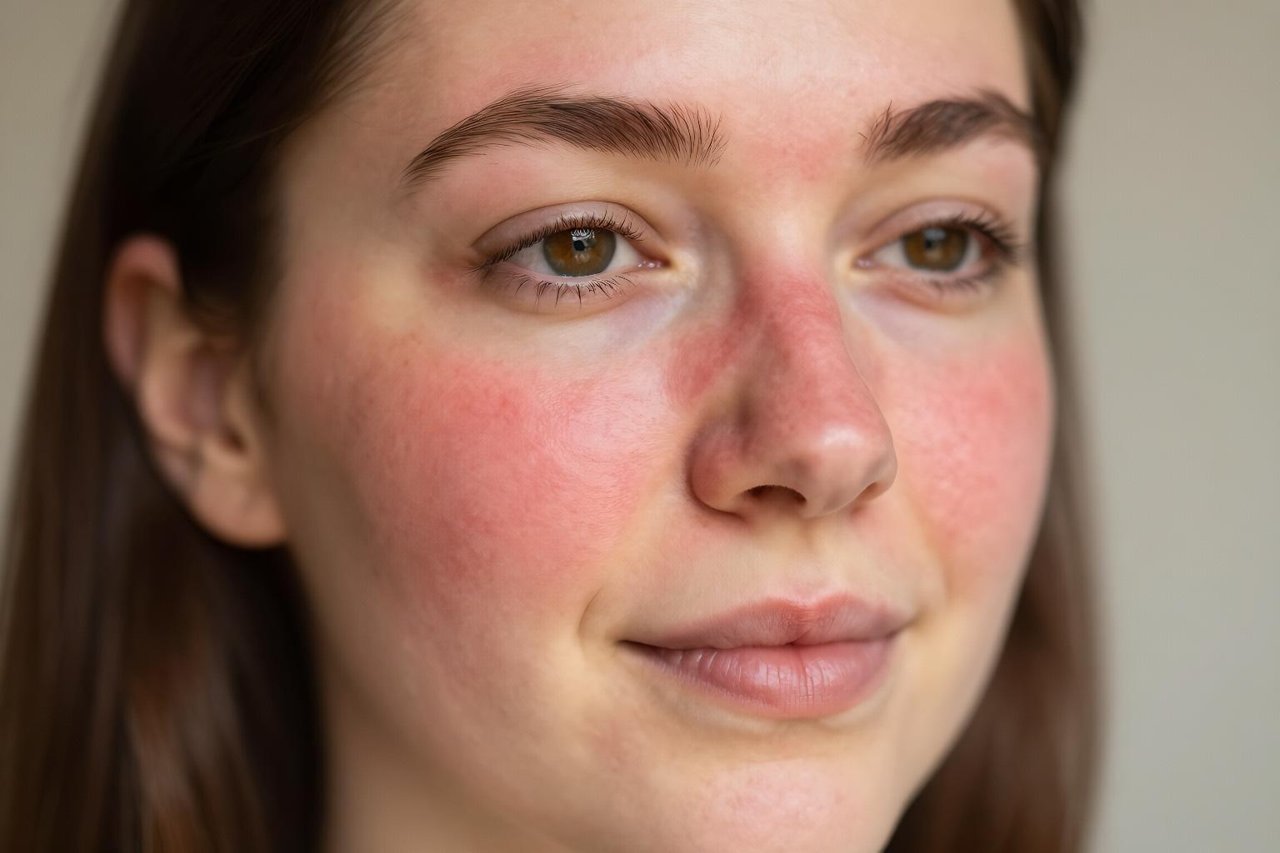
Rosacea is a chronic inflammatory skin condition that primarily affects the face. It usually develops after age 30 and tends to run in families, though anyone can develop it. The root causes involve a combination of genetic predisposition, immune system overreaction, and environmental triggers. There are four main subtypes, each requiring slightly different approaches:
- Erythematotelangiectatic rosacea (ETR): Marked by persistent redness, visible blood vessels, and flushing.
- Papulopustular rosacea: Redness accompanied by acne-like breakouts and pustules.
- Phymatous rosacea: Thickened, bumpy skin, often on the nose (rhinophyma).
- Ocular rosacea: Affects the eyes, causing redness, dryness, and irritation.
Your specific subtype guides the choice of rosacea treatment. For example, topical medications work well for papulopustular rosacea, while laser therapy targets visible blood vessels in ETR.
Medical Treatments for Rosacea
Dermatologists often start with prescription therapies to bring the condition under control. Here are the most common and effective options.

Topical Prescriptions
Two FDA-approved topical agents are widely used: metronidazole (0.75% or 1% gel/cream) and azelaic acid (10-15% gel/foam). Both reduce inflammation and kill the bacteria linked to flare-ups, but they work differently. Azelaic acid also helps fade post-inflammatory redness, while metronidazole is gentler for sensitive skin. Ibrance, a newer topical, works by calming the immune response.
For rosacea patients with concurrent breakouts, combining a topical with a gentle cleanser can make all the difference. Many with rosacea also struggle with oily skin, and while harsh acne products can worsen redness, a mild salicylic acid wash used sparingly may help. The CeraVe Renewing SA Cleanser is one option that some rosacea sufferers tolerate well because it’s non-irritating and contains ceramides to support the skin barrier.
Oral Medications
For moderate to severe papulopustular rosacea, oral antibiotics like doxycycline are a mainstay. Low-dose doxycycline (40 mg once daily) has anti-inflammatory effects without antibiotic resistance risk. It typically takes 4-8 weeks to see improvement. Another option is isotretinoin, reserved for severe or treatment-resistant cases due to potential side effects.
Laser and Light Therapies
For persistent redness and visible capillaries, laser treatments offer dramatic results. Pulsed dye laser (PDL) and intense pulsed light (IPL) target hemoglobin in blood vessels, causing them to collapse without damaging surrounding skin. You’ll need 2-4 sessions spaced a month apart, and results last 6-12 months. Maintenance sessions help sustain improvement. Insurance rarely covers these cosmetic procedures, but they’re among the most effective rosacea treatment modalities for ETR.
Building a Rosacea-Friendly Skincare Routine
Daily skincare is the foundation of long-term control. The key is to strengthen the skin barrier while avoiding triggers that cause flushing.
Cleansing
Use a gentle, non-foaming cleanser that respects the skin’s pH. Avoid anything with sulfates, alcohol, or exfoliating beads. Look for ingredients like ceramides, niacinamide, or colloidal oatmeal. Pat dry—never rub.
Moisturizing
Even oily rosacea skin needs hydration. Choose a fragrance-free moisturizer with barrier-repairing lipids. Many people with rosacea have sensitive skin, so selecting products formulated for sensitive skin is crucial. Apply moisturizer while skin is still damp to lock in water.
Sun Protection
Ultraviolet light is one of the most potent triggers for rosacea flares. Use a mineral sunscreen (zinc oxide or titanium dioxide) with SPF 30+ daily, even indoors. Chemical sunscreens can sting and cause irritation. Reapply every two hours if outside.
Active Ingredients
When adding actives, go slow and patch test. Niacinamide is a star ingredient—it reduces redness, strengthens the barrier, and is well-tolerated. Azelaic acid (over-the-counter 10% versions) can also help with redness and bumps. Antioxidants like green tea extract and vitamin C may protect against environmental damage, but choose forms that are gentle (e.g., ascorbyl glucoside instead of L-ascorbic acid).
Identifying and Avoiding Triggers
Triggers vary by person, but common culprits include:
- Heat: hot weather, hot baths, saunas
- Spicy foods: capsaicin causes blood vessel dilation
- Alcohol: especially red wine
- Caffeine: can trigger flushing in some
- Wind and cold: extreme weather damages the barrier
- Stress: cortisol spikes worsen inflammation
- Skincare ingredients: alcohol, witch hazel, menthol, and strong essential oils
Keep a diary to identify your personal triggers. For many, managing rosacea is as much about lifestyle changes as it is about topical treatments. If you also deal with oily skin, note that some oil-controlling products can be too harsh for rosacea-prone skin—finding a balanced approach for oily skin that avoids stripping may require careful trial and error.
The Role of Diet and Supplements
Research on diet and rosacea is limited, but some evidence suggests that anti-inflammatory eating patterns help. The Mediterranean diet—rich in vegetables, fruit, whole grains, and healthy fats—may reduce flare frequency. Specific foods linked to improvement include:
- Omega-3 fatty acids (fish, flaxseed, walnuts) — shown to reduce inflammation in skin biopsies
- Probiotics (yogurt, kefir, fermented veggies) — gut health influences skin inflammation
- Green tea — topical or oral, its polyphenols calm redness
Conversely, avoid items that dilate blood vessels: spicy dishes, hot beverages, alcohol, and histamine-rich foods like aged cheese and tomatoes. Some dermatologists recommend avoiding cinnamon, chocolate, and soy sauce as well. Supplements like 100 mg of oral green tea extract or a high-quality probiotic may support rosacea treatment, but check with your doctor first.
When to See a Dermatologist
If over-the-counter products aren’t controlling your symptoms after 4-6 weeks, or if you have severe flushing, eye irritation, or thickening skin, seek professional help. A board-certified dermatologist can confirm the diagnosis (rosacea can mimic acne, lupus, or eczema), prescribe stronger medications, and perform laser treatments. Early intervention prevents progression—especially for phymatous rosacea, which can cause permanent tissue enlargement.
Living with rosacea requires patience, but a tailored rosacea treatment plan can put you back in control. Combine medical therapies with a gentle routine and smart trigger avoidance, and you’ll see meaningful improvement in redness, bumps, and overall skin comfort.


