
Table of Contents
Unlocking Radiance: Your Ultimate Guide to Finding the Best Moisturizer
Embarking on the quest for the “best moisturizer” can feel overwhelming, given the endless array of products promising miraculous results. Yet, at the heart of every effective skincare routine lies this fundamental product. A moisturizer does more than just hydrate; it supports your skin’s natural barrier, protects against environmental aggressors, and creates a smooth canvas for other products or makeup. This comprehensive guide will equip you with the knowledge to navigate the options and pinpoint the ideal formulation that caters specifically to your skin’s unique needs, truly defining what makes a product the *best moisturizer* for you.
Key Takeaways
- Skin Type is Paramount: The single most crucial factor in determining the best moisturizer is understanding whether your skin is oily, dry, combination, sensitive, acne-prone, or mature.
- Ingredient Savvy: Look for a blend of humectants (e.g., hyaluronic acid, glycerin), emollients (e.g., ceramides, fatty acids), and occlusives (e.g., petrolatum, shea butter) to provide comprehensive hydration and barrier support.
- Formulation Matters: Creams, lotions, gels, and oils offer different textures and hydration levels suitable for various skin types and concerns.
- Consistency is Key: Regular, proper application morning and night significantly enhances the benefits of even the best moisturizer.
- Listen to Your Skin: Pay attention to how your skin reacts to a new product. What works for one person may not work for another.
Why Moisturizer is Non-Negotiable for Healthy Skin
Regardless of your skin type or age, moisturizing is a vital step. Your skin is constantly exposed to elements that can strip away its natural oils and moisture, leading to dryness, irritation, and a compromised barrier. The best moisturizer acts as a protective shield, locking in hydration, preventing water loss, and bolstering the skin’s natural defense mechanisms. This not only keeps your skin soft and supple but also helps to reduce the appearance of fine lines, promote an even tone, and maintain overall skin health. Without adequate moisture, your skin can become more susceptible to damage, breakouts, and premature aging.
Decoding Your Skin Type: The First Step to Finding the Best Moisturizer
The secret to finding the best moisturizer lies in a deep understanding of your own skin. Different skin types have distinct needs, and a product that works wonders for one person might be detrimental to another.
Oily Skin Solutions
Many wrongly believe oily skin doesn’t need moisturizer. In fact, skipping it can trick your skin into producing *more* oil. The best moisturizer for oily skin is typically lightweight, non-comedogenic (won’t clog pores), and often gel-based or oil-free. Look for ingredients like hyaluronic acid for hydration without heaviness, and niacinamide to help regulate oil production.

Dry Skin Saviors
Dry skin craves rich, emollient formulas that restore lost lipids and prevent moisture evaporation. The best moisturizer for dry skin will be a cream-based product packed with ingredients like ceramides, shea butter, squalane, and fatty acids. These work to repair the skin barrier and provide long-lasting hydration.
Combination Skin Balancers
Combination skin presents a unique challenge: an oily T-zone and dry cheeks. The best moisturizer here often involves a balanced approach. You might opt for a medium-weight lotion that hydrates dry areas without exacerbating oiliness. Sometimes, using two different moisturizers – a lighter one for the T-zone and a richer one for dry patches – proves most effective.
Sensitive Skin Soothers
For sensitive skin, simplicity is key. The best moisturizer will be fragrance-free, dye-free, alcohol-free, and hypoallergenic. Look for gentle, calming ingredients like oatmeal, aloe vera, allantoin, and ceramides, designed to soothe irritation and strengthen a delicate skin barrier. Patch testing new products is highly recommended.
Acne-Prone Skin Allies
Acne-prone skin needs a moisturizer that hydrates without clogging pores or irritating existing breakouts. Non-comedogenic, oil-free formulas are paramount. Ingredients like salicylic acid (in low concentrations for gentle exfoliation), tea tree oil (for antibacterial properties), and hyaluronic acid for hydration can make the best moisturizer for this type. Avoid heavy, occlusive ingredients.
Mature Skin Replenishers
As skin ages, it tends to become drier and loses elasticity. The best moisturizer for mature skin will be rich in anti-aging ingredients, deeply hydrating, and focused on barrier repair. Look for peptides, retinol (if tolerated), antioxidants (Vitamin C, E), hyaluronic acid, and ceramides to help plump the skin, reduce the appearance of wrinkles, and improve firmness.
Key Ingredients That Define the Best Moisturizer
The efficacy of a moisturizer is largely determined by its ingredient profile. Understanding these components will empower you to choose the best moisturizer tailored to your concerns.
Humectants: The Moisture Magnets
These ingredients attract water from the air and deeper layers of the skin to the surface.
- Hyaluronic Acid: A powerhouse humectant, it can hold up to 1,000 times its weight in water, providing intense, immediate hydration.
- Glycerin: A common and effective humectant that draws moisture into the skin.
- Urea: Not only a humectant but also helps gently exfoliate and smooth rough skin.
Emollients: The Smooth Operators
Emollients fill the gaps between skin cells, smoothing and softening the skin.
- Ceramides: Natural lipids crucial for a healthy skin barrier, helping to prevent moisture loss. Essential for the best moisturizer aimed at barrier repair.
- Fatty Acids (e.g., Linoleic Acid): Help maintain skin barrier function and reduce inflammation.
- Cholesterol: Another vital lipid for skin barrier integrity.
- Squalane/Squalene: A natural emollient that mimics skin’s natural oils, offering excellent hydration without greasiness.
Occlusives: The Barrier Builders
Occlusives form a protective layer on the skin’s surface to physically block water from evaporating.
- Petrolatum (Vaseline): One of the most effective occlusives, creating a strong barrier.
- Mineral Oil: A lightweight, non-comedogenic occlusive.
- Shea Butter/Cocoa Butter: Rich plant-based occlusives that also offer emollient properties.
- Dimethicone: A silicone-based occlusive that provides a silky feel without heaviness.
Additional Power Players
- Niacinamide (Vitamin B3): Improves skin tone, reduces redness, minimizes pores, and strengthens the skin barrier. A versatile addition to the best moisturizer for various concerns.
- Antioxidants (Vitamins C, E, Green Tea Extract): Protect skin from environmental damage and free radicals.
- Peptides: Can signal skin cells to produce more collagen, helping with firmness and elasticity.
Beyond the Basics: Understanding Moisturizer Formulations
The texture and consistency of your moisturizer play a significant role in its suitability for your skin type and preferences.
Creams: Rich and Restorative
Creams are typically thicker and richer, containing a higher oil-to-water ratio. They are ideal for dry, mature, or very dehydrated skin, providing intensive hydration and barrier support. Often considered the best moisturizer for nighttime routines or harsh weather.
Lotions: Lightweight and Versatile
Lotions have a higher water content than creams, making them lighter in texture and quicker to absorb. They are a good choice for normal, combination, or slightly oily skin, offering adequate hydration without feeling heavy.
Gels: Refreshing and Oil-Free
Gel moisturizers are typically oil-free and water-based, offering a refreshing, cooling sensation. They are perfect for oily, acne-prone, or humid climates, delivering hydration without clogging pores or adding shine. The best moisturizer for those who dislike heavy textures.
Oils: Natural Nourishment
Face oils, while not traditional moisturizers, can be excellent for providing emollients and occlusives. They work best for very dry skin or as a final step to seal in moisture, particularly at night. They can enhance the benefits of your existing best moisturizer.
Serums: Targeted Hydration
While primarily treatment-focused, hydrating serums (often with hyaluronic acid) can be layered under a moisturizer to boost hydration, especially for dehydrated skin. They prepare the skin to better absorb the best moisturizer that follows.
How to Apply Your Best Moisturizer for Maximum Benefit
Even the best moisturizer needs proper application to work effectively.
- Cleanse: Start with a clean face.
- Tone (Optional): Apply toner if it’s part of your routine.
- Serums/Treatments: Apply any targeted serums (e.g., Vitamin C, niacinamide, hyaluronic acid serum) to damp skin.
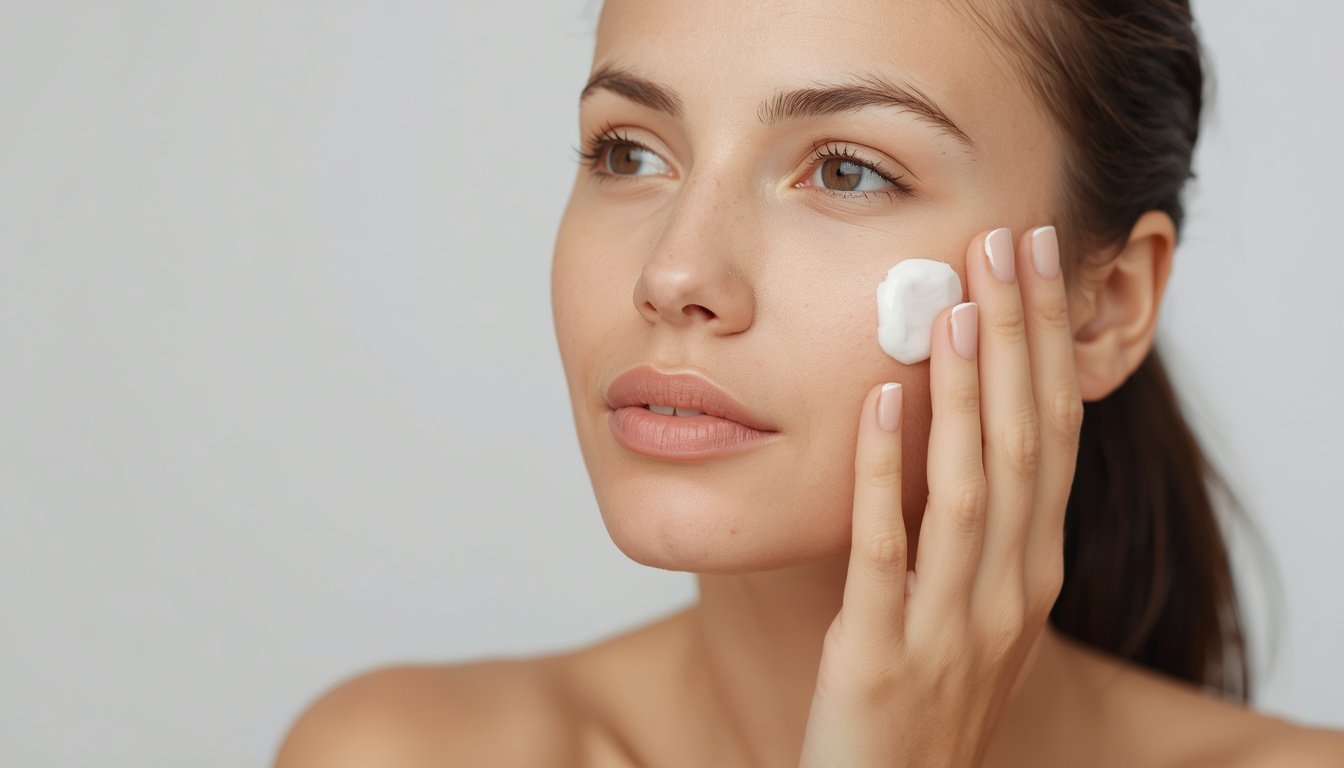
- Moisturize: While your skin is still slightly damp from previous steps (or after patting it nearly dry), take a pea-sized amount of your best moisturizer.
- Gentle Application: Warm the product between your fingertips, then gently massage it into your face and neck using upward, outward strokes. Avoid pulling or tugging your skin.
- Don’t Forget the Neck & Chest: These areas are often neglected but show signs of aging readily.
- Sunscreen (Daytime): Always follow with a broad-spectrum SPF 30+ during your morning routine. Many of the best moisturizers now include SPF, but a dedicated sunscreen is often more effective.
Apply moisturizer both morning and night for consistent hydration and barrier support.
Common Myths and FAQs About Moisturizers
Myth 1: Oily Skin Doesn’t Need Moisturizer
False! As mentioned, skipping moisturizer can trigger your skin to produce more oil to compensate for dryness, leading to a vicious cycle. The best moisturizer for oily skin will be lightweight and non-comedogenic.
Myth 2: Expensive Always Means Better
Not necessarily. While some high-end products contain innovative ingredients, many affordable options deliver excellent results using proven components. The best moisturizer is the one that works for *your* skin, regardless of price point.
Myth 3: One Moisturizer Fits All
Completely false. Skin types, concerns, and even seasonal changes dictate different moisturizing needs. What’s the best moisturizer for winter dry skin might be too heavy for summer.
FAQ: How often should I moisturize?
Generally, twice a day – once in the morning and once at night – is recommended for most skin types.
FAQ: Can I use body lotion on my face?
While tempting, it’s generally not advisable. Body lotions are often thicker, can contain fragrances or ingredients that are too harsh or pore-clogging for delicate facial skin. Always opt for a dedicated face moisturizer to ensure it’s non-comedogenic and formulated for facial skin.
The Journey to Your Best Moisturizer: A Personalized Approach
Finding the best moisturizer is an ongoing journey of discovery, not a one-time purchase. Your skin’s needs can change due to age, hormones, climate, and lifestyle. Be patient, pay attention to how your skin responds, and don’t be afraid to experiment. When you find the moisturizer that makes your skin feel hydrated, comfortable, and radiant, you’ve found *your* best moisturizer – a cornerstone for a lifetime of healthy, glowing skin.


