
Table of Contents
Your Ultimate Shield: Unveiling the Best Sunscreen for Every Skin and Situation
Finding the **best sunscreen** is more than just a summer chore; it’s a vital step in maintaining skin health, preventing premature aging, and significantly reducing the risk of skin cancer. With an overwhelming array of options available, identifying the perfect protector can feel daunting. This comprehensive guide cuts through the confusion, helping you understand the nuances of sun protection and pinpoint the **best sunscreen** tailored specifically for your needs.
## Key Takeaways
* **Sunscreen is Essential:** Daily application prevents UV damage, premature aging, and reduces skin cancer risk.
* **Understand Labels:** Look for “Broad-Spectrum,” SPF 30+, and PA+++/++++ for comprehensive protection.
* **Mineral vs. Chemical:** Mineral sunscreens (zinc oxide, titanium dioxide) sit on the skin surface, ideal for sensitive skin. Chemical sunscreens absorb UV rays, often lighter in texture.
* **Match to Your Skin Type:** Oily, dry, sensitive, or acne-prone skin each benefits from specific formulations.
* **Consider Lifestyle:** Water-resistant formulas are crucial for swimming or sweating.
* **Proper Application is Key:** Apply generously (a shot glass full for the body, a nickel-sized amount for the face) and reapply every two hours, or more often if swimming/sweating.
Understanding Sunscreen Essentials
Why Sunscreen is Non-Negotiable
Our skin is constantly exposed to ultraviolet (UV) radiation from the sun, even on cloudy days. These rays, primarily UVA and UVB, cause a range of damage, from sunburn and hyperpigmentation to the breakdown of collagen and elastin, leading to wrinkles and sagging. More critically, UV exposure is the leading cause of skin cancer. Regular and correct application of the **best sunscreen** acts as a crucial barrier, safeguarding your skin’s health and appearance.

Decoding SPF, PA, and Broad-Spectrum
To truly find the **best sunscreen**, you need to understand the language on the label:
* **SPF (Sun Protection Factor):** Primarily indicates protection against UVB rays, which cause sunburn. An SPF of 30 blocks about 97% of UVB rays, while SPF 50 blocks about 98%. Higher SPF offers marginally more protection but requires consistent reapplication. Aim for SPF 30 or higher.
* **PA (Protection Grade of UVA):** This system, often seen on Asian sunscreens, rates protection against UVA rays, which contribute to aging and deep skin damage. PA+ offers some protection, PA++++ offers extremely high protection.
* **Broad-Spectrum:** This term is vital. It means the sunscreen protects against both UVA and UVB rays, offering comprehensive coverage. Without broad-spectrum protection, you’re only partially shielded.
Mineral vs. Chemical: Which is Right for You?
The choice between mineral and chemical sunscreen is often a key factor in determining the **best sunscreen** for an individual.
* **Mineral (Physical) Sunscreens:** These formulations use zinc oxide and/or titanium dioxide. They sit on the skin’s surface and physically block UV rays by reflecting them away.
* **Pros:** Generally considered gentler, less irritating for sensitive skin, works immediately upon application.
* **Cons:** Can sometimes leave a white cast, may feel thicker.
* **Chemical Sunscreens:** These contain organic compounds like oxybenzone, avobenzone, octinoxate, and octisalate. They absorb UV rays and convert them into heat, which is then released from the skin.
* **Pros:** Often lighter, invisible on the skin, easier to spread, can be formulated with other skincare benefits.
* **Cons:** May cause irritation for some sensitive skin types, takes about 20 minutes to become effective, some ingredients have raised environmental concerns.
Factors to Consider When Choosing the Best Sunscreen
Finding your personal **best sunscreen** involves a personalized approach.
Your Skin Type Matters
* **Oily/Acne-Prone Skin:** Look for oil-free, non-comedogenic (won’t clog pores), matte-finish, or gel-based formulas. Mineral sunscreens with zinc oxide can also be beneficial due to its anti-inflammatory properties.
* **Dry Skin:** Creamy, hydrating formulas with ingredients like hyaluronic acid, ceramides, or glycerin are ideal. Look for sunscreens that double as moisturizers.
* **Sensitive Skin:** Mineral sunscreens (zinc oxide, titanium dioxide) are often the **best sunscreen** choice for sensitive skin as they are less likely to cause irritation. Avoid fragrance, alcohol, and certain chemical filters like oxybenzone.
* **Mature Skin:** Hydrating, anti-aging formulas with antioxidants (Vitamin C, E) can offer additional benefits alongside sun protection.
Lifestyle and Activity Level
Your daily routine plays a big role in selecting the **best sunscreen**.
* **Daily Use:** For office workers or minimal outdoor exposure, a lightweight, daily facial sunscreen integrated into your skincare routine is sufficient.
* **Sport & Outdoor Activities:** Opt for water-resistant or very water-resistant formulas. These are designed to maintain their SPF for 40 or 80 minutes, respectively, during swimming or sweating. Reapplication is still crucial.
Ingredient Sensitivities and Concerns
Beyond general sensitivity, some individuals might have specific concerns:
* **Allergies:** Always check ingredient lists if you have known allergies.
* **Reef-Safe:** For those concerned about marine life, choose mineral sunscreens or chemical sunscreens free of oxybenzone and octinoxate, which are believed to harm coral reefs.
Water Resistance and Sweat Resistance
If you plan to swim, sweat heavily, or spend time in humid environments, selecting a water-resistant formula is key. These sunscreens are tested to ensure they remain effective for a certain period (40 or 80 minutes) in water or during strenuous activity. Remember, “waterproof” is a misleading term and not permitted on sunscreen labels. Even the **best sunscreen** for water activities still needs reapplication.
Top Picks for the Best Sunscreen by Category
While we can’t name specific brands, we can describe the characteristics that make a sunscreen “best” for various needs.
Best Sunscreen for Sensitive Skin
Look for formulations with 100% zinc oxide and/or titanium dioxide. These are fragrance-free, hypoallergenic, and often fortified with soothing ingredients like allantoin or bisabolol to minimize irritation. A lotion or cream texture is typically preferred.
Best Sunscreen for Oily/Acne-Prone Skin
The ideal formula here is non-comedogenic, oil-free, and leaves a matte or semi-matte finish. Gel-based or fluid mineral sunscreens are often excellent choices, preventing clogged pores and excess shine. Some may even contain niacinamide for added skin benefits.
Best Sunscreen for Dry Skin
Creamy, hydrating sunscreens that feel rich without being greasy are the **best sunscreen** options for dry skin. Ingredients like hyaluronic acid, glycerin, or ceramides help lock in moisture while providing broad-spectrum protection. Many can double as a daily moisturizer.
Best Sunscreen for Darker Skin Tones (No White Cast)
The challenge of a white cast is often addressed by micronized (finely milled) zinc oxide or titanium dioxide in mineral sunscreens, or by tinted mineral formulas. Chemical sunscreens generally blend seamlessly. Look for “sheer,” “invisible,” or “no white cast” descriptions.
Best Sunscreen for Sport and Water Activities
These are typically thicker, more tenacious formulas designed for extended wear. They *must* be labeled “water resistant” (40 minutes) or “very water resistant” (80 minutes). Look for formulas that don’t sting eyes when sweating and are easy to reapply on the go, perhaps in stick or spray form (when properly applied).
Best Sunscreen for Daily Facial Use
The **best sunscreen** for daily facial use is often lightweight, blends easily under makeup, and may offer additional skincare benefits like antioxidants. Many come in elegant, serum-like, or fluid textures, making them a pleasure to apply every morning.
Best Sunscreen for Kids and Babies
Pediatricians often recommend mineral sunscreens (zinc oxide, titanium dioxide) for infants over 6 months and children due to their gentle nature. These should be fragrance-free, hypoallergenic, and water-resistant for active play. For babies under 6 months, sun avoidance is paramount.
Mastering Sunscreen Application for Optimal Protection
Even the **best sunscreen** is ineffective if not applied correctly.
The Right Amount and Frequency
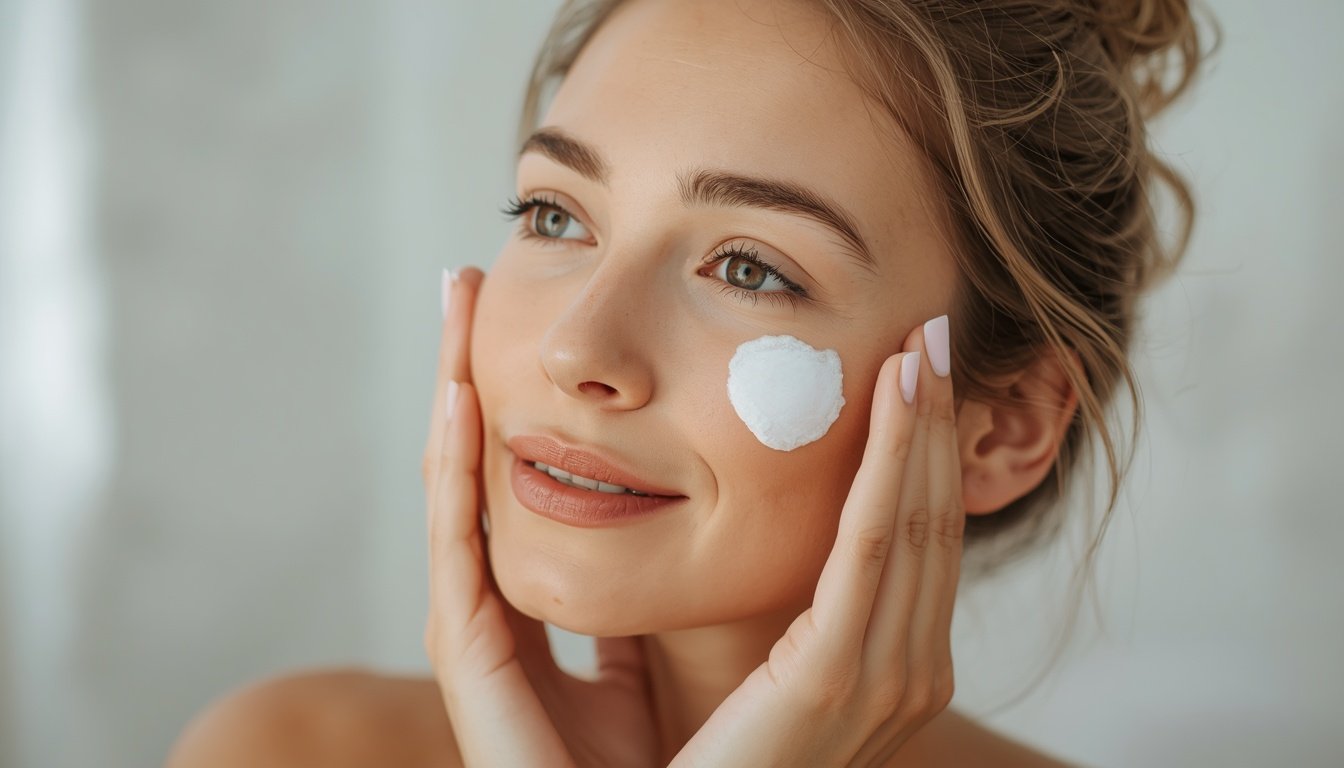
* **Amount:** For your face, neck, and ears, use about a nickel-sized dollop. For your entire body, aim for a shot glass full (approximately 1 ounce). Most people apply too little.
* **Frequency:** Apply 15-30 minutes *before* sun exposure to allow it to set. Reapply *at least* every two hours, or more frequently if swimming, sweating profusely, or towel drying.
Don’t Forget These Spots
Commonly missed areas include the ears, back of the neck, décolletage, top of the feet, and lips. Use a lip balm with SPF for lip protection.
Combining with Makeup and Skincare
Apply sunscreen as the last step in your morning skincare routine, before makeup. If your foundation or moisturizer contains SPF, it’s generally not enough on its own. It’s always **best sunscreen** to apply a dedicated sunscreen first. For reapplication over makeup, mineral powder sunscreens or SPF setting sprays can be helpful, though sprays may not provide adequate coverage.
Beyond the Bottle: Holistic Sun Protection
While the **best sunscreen** is your primary defense, it’s part of a broader sun protection strategy:
* **Seek Shade:** Especially between 10 AM and 4 PM, when UV radiation is strongest.
* **Wear Protective Clothing:** Long-sleeved shirts, pants, and wide-brimmed hats made from UPF (Ultraviolet Protection Factor) fabrics offer excellent protection.
* **UV-Blocking Sunglasses:** Protect your eyes and the delicate skin around them.
Conclusion
Choosing the **best sunscreen** is a powerful investment in your long-term skin health. By understanding your skin type, lifestyle, and the science behind sun protection, you can confidently navigate the options and find a formula that feels good, performs well, and keeps your skin protected year-round. Make sun protection a non-negotiable part of your daily routine, and your skin will thank you.


