
Table of Contents
If you’ve ever had a sinus infection, you know the feeling: a heavy forehead, a nose that won’t stop dripping, and that awful pressure behind your eyes that makes you want to lie down in a dark room. It’s miserable, and it’s incredibly common. Most adults deal with at least one or two episodes a year, and the treatment isn’t always obvious. Do you ride it out? Reach for a decongestant? Call the doctor?
What Exactly Is a Sinus Infection?
Your sinuses are small, air-filled cavities lined with mucus-producing tissue. Normally, mucus drains out of them through tiny openings, but when those openings swell shut—usually due to a viral cold, allergies, or bacteria—fluid gets trapped. That’s when the pressure, pain, and congestion start. When the trapped fluid becomes infected, you have sinusitis.
Acute sinusitis typically lasts less than four weeks. Most cases are viral, meaning antibiotics won’t help. Chronic sinusitis, on the other hand, lingers for twelve weeks or longer, often due to ongoing inflammation, allergies, or structural issues like a deviated septum. Only about 5 to 10 percent of sinus infections turn out to be bacterial, which is why treatment needs to be targeted.
Viral, Bacterial, or Fungal? It Drives the Treatment Plan
The single most important question when you’re congested is: what’s causing it? That determines whether you need home care, over-the-counter drugs, antibiotics, or something else entirely.

Viral sinusitis is the most common. It usually follows a cold and clears up within 7 to 10 days with supportive care. Your immune system does the heavy lifting; you just need to manage symptoms.
Bacterial sinusitis is less common. You might suspect it if you were getting better and then suddenly got worse, or if you’ve had a thick, discolored nasal discharge plus facial pain for more than ten days. A fever over 102°F also raises suspicion. In those cases, a doctor may prescribe antibiotics—usually amoxicillin or amoxicillin-clavulanate for ten days. But even then, about 40% of people with bacterial sinusitis get better on their own without antibiotics.
Fungal sinusitis is rare and mostly affects people with weakened immune systems. But a fungal ball—a tangly mass of fungus—can develop in one sinus, causing blockage and pressure that doesn’t respond to normal treatment. If your doctor suspects a fungal cause, you’ll need special antifungal therapy and often surgery. The treatment protocol is quite different from bacterial infections, as outlined in this guide to fungal infection treatment.
At-Home Remedies That Actually Help
You don’t need a prescription for most sinus infections. These tried-and-true methods can shorten your misery and make you more comfortable while your body fights the virus.
1. Saline Nasal Irrigation
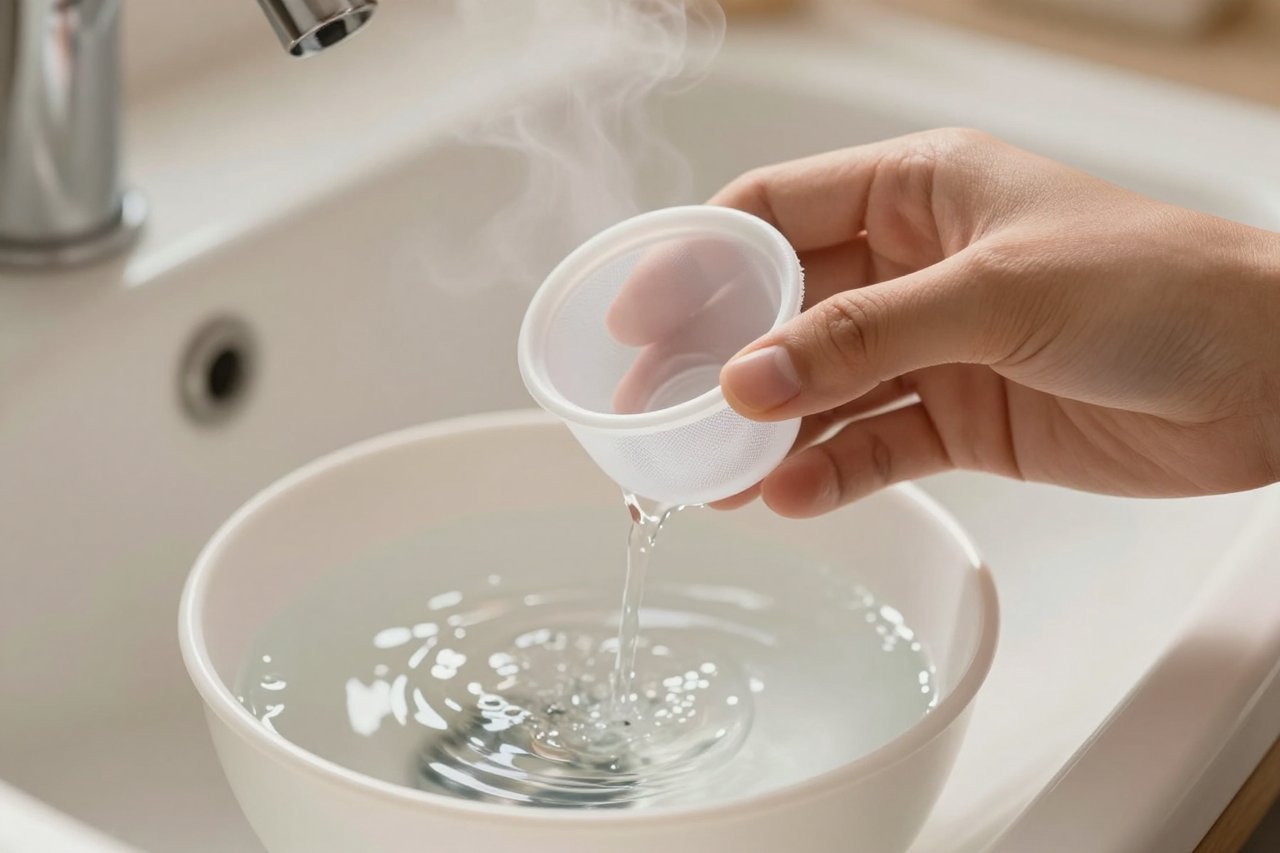
Using a neti pot or a squeeze bottle to rinse out your nasal passages is one of the most effective ways to relieve sinus pressure. It thins mucus, flushes out irritants, and clears the passageways. Mix a sterile saline solution—about 8 ounces of distilled or boiled (then cooled) water with a quarter teaspoon of salt and a pinch of baking soda. Gently squeeze the rinse into one nostril while leaning over a sink, and it will drain out the other. Do this twice a day. It’s messy at first, but people who do it consistently swear by it.
2. Steam Inhalation
Hot, moist air helps loosen up thick mucus and soothe inflamed tissues. You can stand in a hot shower for five minutes, or take a bowl of hot water, drape a towel over your head, and inhale the steam for 10 minutes. Add a few drops of eucalyptus oil if you want, though there’s no strong evidence it helps—it just makes the room smell good.
3. Hydration and Rest
Your body needs extra fluids to keep mucus thin and mobile. Water, herbal tea, and warm broth are all great. Avoid alcohol and caffeine, which can dehydrate you. And get as much sleep as you can. Your immune system works best when you’re rested.
4. Warm Compress
Lying down with a warm, damp washcloth over your forehead and cheeks can ease the pressure and reduce discomfort. Keep it on for five minutes, then re-damp with warm water and repeat a few times.
5. Elevate Your Head
When you sleep, prop up your head with an extra pillow. That encourages drainage instead of letting the mucus pool in your sinuses. It’s not glamorous, but it genuinely helps.
- Stick to saline rinses, not decongestant sprays.
- Use a clean neti pot every time to avoid reinfection.
- Skip the neti pot if you have a nosebleed or have just had sinus surgery.
Over-the-Counter Medications: What to Look For
The pharmacy aisle is packed with sinus remedies, but you only need a few types that work.
Oral Decongestants
Pseudoephedrine (Sudafed) narrows blood vessels in the nasal lining, reducing swelling and opening up your passages. It can be very effective, but it’s a stimulant—so watch out for jitters, insomnia, and a racing heart. People with high blood pressure or heart conditions should avoid it. You’ll usually have to ask the pharmacist for it, as it’s kept behind the counter.
Decongestant Sprays
Oxymetazoline (Afrin) works fast, but don’t use it for more than three days. Longer use leads to rebound congestion, making your symptoms worse.
Pain Relievers
Acetaminophen, ibuprofen, or naproxen can reduce facial pain, headache, and fever. Ibuprofen also fights inflammation. Just take them with food to avoid stomach upset.
Expectorants
Guaifenesin (Mucinex) thins mucus so it’s easier to blow out. It works best with plenty of water—otherwise, it’s mostly useless.
Antihistamines
If allergies are the root cause, an antihistamine like loratadine or cetirizine can calm the allergic response. But if you don’t have allergies, skip them—they can dry up mucus and make it thicker.
When Prescription Treatment Is Worth It
Most sinus infections fade on their own or with self-care. But there are times when a prescription makes a real difference. After 10 days of unimproved symptoms, or if you spike a fever, your doctor might prescribe antibiotics. Another option is a nasal corticosteroid spray like fluticasone or mometasone, which reduces inflammation in the nasal passages. These are especially valuable for chronic sinusitis, where the goal is to keep the lining from swelling shut.
If your sinus problems keep coming back, it’s worth looking for underlying causes. Acid reflux, for example, can silently irritate your sinuses and trigger inflammation. The connection is often overlooked, but the approach to GERD treatment includes lifestyle changes that can also ease sinus symptoms if reflux is a factor.
For chronic sinusitis that doesn’t respond to medication, surgery to widen the sinus openings might be necessary. That’s a decision you’ll make with an ENT specialist, and it’s not a first-line option.
Natural Options: What the Evidence Says
People often ask about alternative remedies. Some show promise, others are hype. Bromelain, an enzyme from pineapples, has some research behind it for reducing sinus inflammation, but you’d need a concentrated supplement to get enough. Probiotics may help prevent recurrent respiratory infections, though not strongly. And a spoonful of raw honey is soothing for a sore throat, but it won’t cure a sinus infection. Save your money on essential-oil diffusers—there’s no quality evidence that they do anything except make your room smell like a spa.
Preventing the Next Sinus Infection
Once you’ve ridden out the current round, you’ll want to keep it from coming back. Start by washing your hands frequently, especially during cold season. Avoid smoke and strong chemical fumes that irritate nasal passages. Using a humidifier in your bedroom can help if you live in a dry climate, and it prevents the nasal lining from drying out.
If you suffer from seasonal allergies, controlling them with antihistamines or allergy shots reduces your risk of chronic sinusitis. And keep in mind that viral colds are the main trigger. The coronavirus, for instance, is a common viral trigger for sinus congestion and secondary infections. The latest updates on coronavirus symptoms and treatment are worth reviewing if you’re in an area with high transmission.
Red Flags: Know When to Call a Doctor
Most sinus infections are miserable but harmless. However, certain symptoms warrant a trip to the clinic. Get medical attention if you experience any of these:
- Swelling or redness around your eyes
- Severe headache that doesn’t improve with pain relievers
- Fever above 102°F (39°C)
- Confusion or a stiff neck
- Vision changes or double vision
- Worsening symptoms after you started to get better
These could indicate more serious complications, like orbital cellulitis or meningitis. Rare, but better safe than sorry.
Treating a sinus infection is mostly about time, comfort, and the right supportive care. Most people feel significantly better within a few days, even if the full recovery takes a couple of weeks. Listen to your body, be patient, and don’t reach for antibiotics unless you truly need them—they won’t help against a virus, and overuse only breeds resistance. Give your immune system the tools it needs, and it’ll take care of the rest.


