
Table of Contents
Hair masks are one of those products that everyone owns but very few people actually use correctly. Slap it on, wait ten minutes, rinse — right? Not so fast. A hair mask can transform dry, brittle strands, boost shine, and even reduce breakage, but only if you pick the right formula and apply it the right way. This guide walks you through everything from choosing the right mask for your hair type to common mistakes that could be making your hair worse.
What Is a Hair Mask, Exactly?
A hair mask is a deep-conditioning treatment designed to penetrate the hair shaft more deeply than a regular conditioner. Most conditioners work on the surface, smoothing the cuticle to make hair feel soft. A mask uses a higher concentration of oils, butters, proteins, and active ingredients that can actually rebuild and repair the hair from the inside out. If you’re unsure whether you need both, this breakdown of hair masks vs. conditioners clarifies the difference.
Why Your Hair Needs a Weekly Mask
Your hair goes through a lot. Heat styling, UV rays, pollution, harsh shampoos, and even your pillowcase can strip moisture and damage the cuticle. A weekly mask replenishes what’s lost and strengthens the strands so they don’t break off.
- Deep hydration: Oils and humectants like glycerin attract and lock in moisture, which is essential for dry or frizzy hair.
- Damage repair: Proteins like keratin and hydrolyzed wheat fill in gaps in the cuticle, making hair look and feel thicker.
- Enhanced shine: Smooth, closed cuticles reflect more light, giving your hair a healthy gloss.
- Scalp benefits: Some masks contain ingredients like tea tree or salicylic acid that help clear buildup and soothe irritation.
How to Choose the Right Hair Mask for Your Hair Type
One size definitely does not fit all. Using a heavy mask meant for thick curls on fine, straight hair will leave it greasy and flat. Here’s what to look for.

Fine or Oily Hair
Go for lightweight masks that list ingredients like aloe vera, cucumber, or moringa oil. Avoid heavy butters like shea or cocoa butter. You want moisture without weight. Apply the mask mainly from the mid-lengths to the ends, steering clear of your roots.
Thick or Coarse Hair
Rich, creamy masks with shea butter, avocado oil, or argan oil are your best friends. These ingredients can actually coat the shaft and smooth the rough cuticle of thick strands. You can apply a mask from root to tip and leave it on longer if your hair is very porous.
Dry or Damaged Hair
Look for masks that combine protein and moisture. Keratin, plant-based proteins, and oils like jojoba or coconut work well. If your hair is severely compromised, alternate between a protein mask one week and a moisture mask the next. Too much protein can actually make your hair stiff and brittle.
Color-Treated Hair
Color processing opens the cuticle and can make hair dry. Make sure your mask is sulfate-free and color-safe. Ingredients like baobab oil and hydrolyzed silk offer repair without stripping your dye. A mask that offers UV protection is also a bonus, since fading happens faster in the sun.
How to Apply a Hair Mask the Right Way
You’ve bought a great mask, but the way you apply it makes a huge difference. Don’t just glob it on haphazardly.
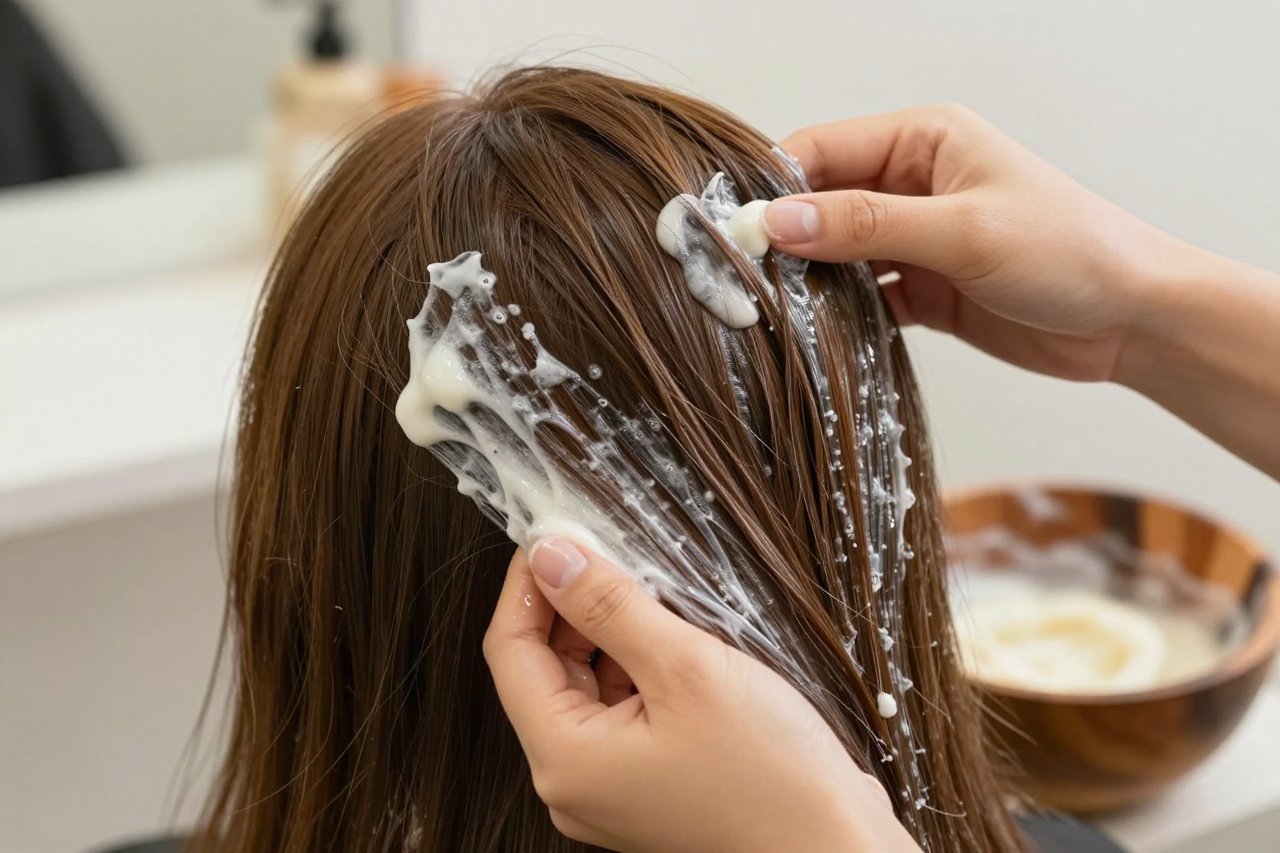
First, wash your hair with a gentle shampoo. Hair masks work better on clean, damp hair because the cuticle is slightly lifted and more receptive to moisture. Squeeze out excess water — your hair should be damp, not dripping. Then, section your hair into four or five parts. Work a generous amount of mask through each section with your fingers or a wide-tooth comb.
Focus on the areas that need it most, usually your ends. If you have an oily scalp, only apply the mask from your ears down. Leave it on for the time specified on the label, but don’t get too comfortable. A common mistake is leaving a mask on overnight, thinking it’ll be more effective. In reality, most masks are designed to work within 5 to 30 minutes. Leaving them on too long can lead to build-up or over-softening.
Store-Bought vs. DIY Hair Masks: Which Is Better?
The debate is real. Store-bought masks are convenient and packed with lab-tested ingredients. You can find nine top-rated hair masks for stronger and smoother results in minutes. They’re also formulated to achieve a specific effect, whether that’s intense hydration, curl definition, or color protection.
DIY masks, on the other hand, let you control exactly what goes on your hair. They’re budget-friendly and use natural ingredients that you probably already have in your kitchen. For example, these three simple honey-based hair mask recipes are gentle enough for almost everyone and known for locking in moisture. And if you’re struggling with summer heat and humidity, try seven DIY mask recipes specifically designed to beat summer hair woes.
There’s no universal winner. Many people alternate between a store-bought mask for consistency and a DIY mask for the fun and customisation. Just be careful not to use DIY masks too often if they contain acidic ingredients like lemon or vinegar, which can strip your hair’s natural oils.
Ingredients That Actually Work (And Ones to Skip)
You don’t need a chemistry degree to read a label, but you should know which ingredients do what. Look for these to get real results.
Oils: Argan oil, jojoba, avocado, and coconut oil are classic moisturizers. They help reduce protein loss and seal the cuticle.
Humectants: Glycerin, honey, and aloe vera draw moisture from the air into your hair. They are perfect for low-porosity hair.
Proteins: Keratin, rice protein, and silk amino acids fill in damage. Use them in moderation and always pair them with a moisturizing ingredient.
Silicones: Cyclopentasiloxane and dimethicone give instant slip and shine, but they can build up over time and leave your hair looking dull if you don’t clarify regularly.
Sulfates: Sodium lauryl sulfate is a harsh detergent that can strip color and dry out your scalp. Avoid it in masks, but remember it’s fine in a clarifying shampoo once in a while.
Also, if you’re into natural remedies, rosemary oil has solid research backing for scalp health and hair growth. It’s a wonderful addition to both homemade and store-bought blends.
How Long Should You Leave It On And How Often?
Check the label, but a typical mask takes 10 to 20 minutes to work. If you have very thick or very damaged hair, you can sit with it up to 30 minutes. Anything beyond that increases the risk of product buildup. For the same reason, don’t use a deep conditioning mask every day unless you have extremely dry, delicate strands. Two or three times a week is plenty for most people.
An exception is the “hot oil” or “steam” technique. Some people apply a mask and then wrap their hair in a warm towel, which can expand the cuticle and allow deeper penetration. If you do this, keep the time to 15 minutes maximum to avoid over-conditioning.
Build a Simple Hair Mask Routine
A€Start by assessing your hair right now. Is it dull, frizzy, breaking off, or just a little tired? Pick a mask that targets that main concern, not five concerns at once. Apply it a€two or three times a week, give it at least ten minutes, and rinse with cool water to seal the cuticle. If you’re using a protein mask, swap in a moisture mask the following week. Track how your hair feels after a month. You’ll likely need to switch to a lighter formula for summer or a more intensive one for winter.
The greatest hair mask in the world won’t fix a poor routine. Make sure you’re not washing with scorching hot water, that you’re trimming split ends regularly, and that you’re giving your hair some heat-free days. A simple weekly mask is one piece of the puzzle, but when you use it well, it can be the piece that makes everything click into place.


