
Table of Contents
A 200-pound dog is more like a small bear than a family pet. It can rest its head on your kitchen counter, clear a dinner table with one swipe of its tail, and still think it’s a lapdog. The 7 biggest dog breeds in the world are not for everyone, but for those who can handle the size, they offer a kind of companionship that’s hard to match.
The 7 Biggest Dog Breeds in the World
When we talk about the biggest dog breeds, we’re looking at a combination of height and weight. The breeds below represent the true heavyweights—and the tall-tale champions—of the canine world.
English Mastiff
Pound for pound, the English Mastiff is the heaviest dog breed around. Males can reach 230 pounds, and the breed holds the record for the world’s heaviest dog: a 343-pound Mastiff named Aicama Zorba. Despite their size, they’re famously docile, patient, and devoted to their families. They tend to be quiet and calm indoors, which is a relief given how much space they take up.
Great Dane
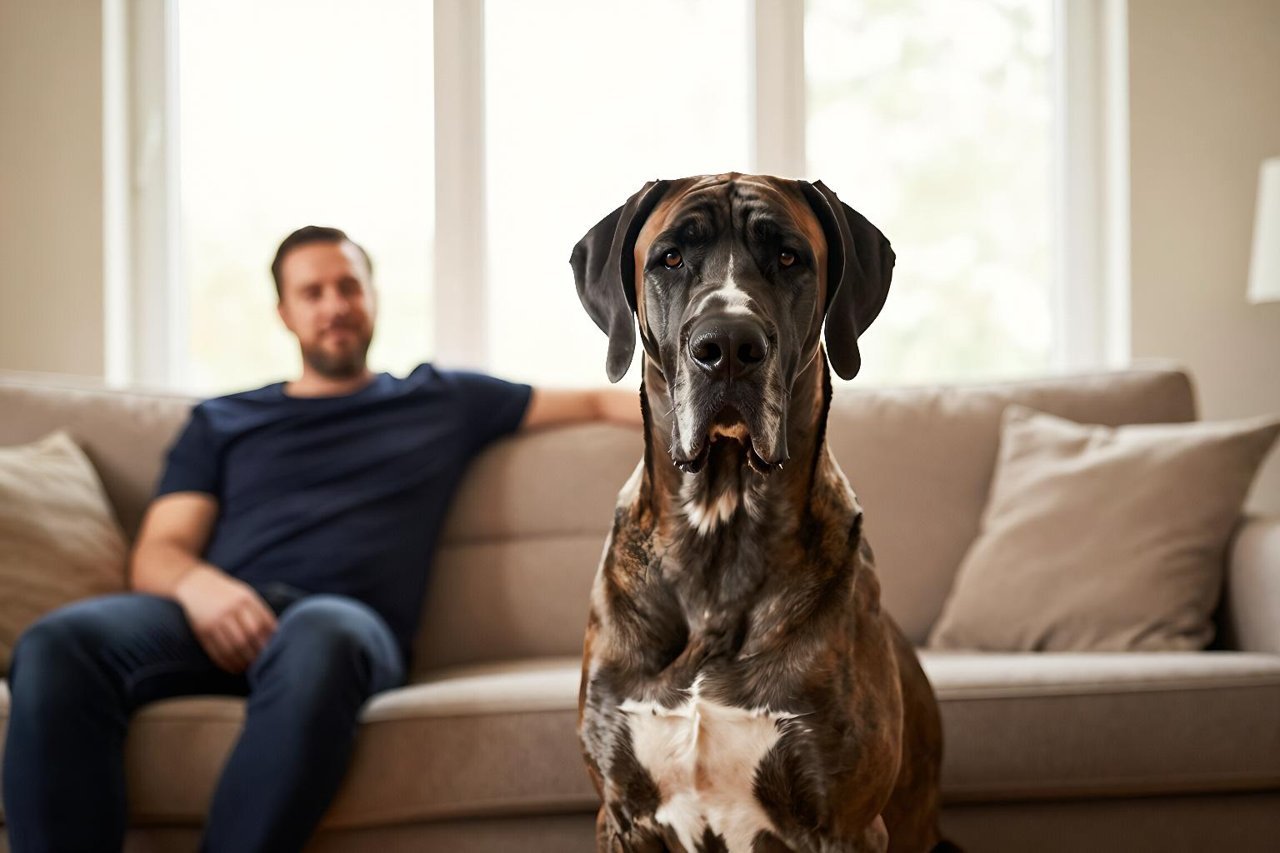
The Great Dane holds the title for the tallest dog breed. The current record holder, Zeus, stood 44 inches at the shoulder. They’re often described as gentle giants, and while they’re energetic as puppies, they become affectionate, laid-back companions who need plenty of indoor space. As puppies, Great Danes can be remarkably clumsy and stubborn. They go through an awkward adolescent phase where they’ll test your patience—a phase that isn’t uncommon among many dogs, as we explored in our piece on teenage dogs. Stick with consistent training, and you’ll end up with a graceful, dependable friend.

Saint Bernard
Known for their heroic rescues in the Swiss Alps, Saint Bernards are massive dogs with thick coats and a calm disposition. Males can weigh up to 180 pounds. They’re incredibly loyal but also prone to drooling and overheating in warm weather. Because of their thick double coats, Saint Bernards are prone to overheating. With global temperatures rising, many large breeds are finding it harder to cope. In fact, just like the endangered mouse that may need a helping hand to adapt to climate change, Saint Bernards rely on their humans to monitor their environment and keep them cool.
Newfoundland
Often called “nature’s lifeguards,” Newfoundlands have webbed feet and water-resistant coats. They were bred to work alongside fishermen and are powerful swimmers. Weighing up to 150 pounds, they’re patient, watchful dogs that adore children. Their gentle nature and calm demeanour make them excellent family pets, as long as you’re prepared for the slobber.
Leonberger
A lesser-known giant, the Leonberger was bred in Germany to resemble a lion. These dogs combine the strength of a Mastiff with the intelligence of a herding breed. They typically weigh 130 to 170 pounds and are surprisingly nimble for their size. They’re also have a reputation for being great with kids and get along well with other pets, making them a wonderful choice for a big, affectionate family dog.
Irish Wolfhound
The Irish Wolfhound is the tallest of all sight hounds and was originally used to hunt wolves. They can stand 32 inches at the shoulder and weigh up to 180 pounds. Despite their history, they’re quiet, dignified, and famously gentle with kids. They have a relatively short lifespan, though—around 6 to 8 years—which is something every potential owner needs to consider.
Tibetan Mastiff
An ancient guardian breed from the Himalayas, the Tibetan Mastiff is built to endure harsh mountain winters. They’re known for their thick double coat, which can add a deceptive amount of bulk. Weighing 100 to 160 pounds, they’re independent and reserved, making them excellent watchdogs. Their protective nature means early socialisation is non-negotiable, but for experienced owners, they’re a loyal and imposing companion.
Living With a Giant Breed
Owning one of these enormous dogs is not just about admiring their size. It’s a daily commitment that affects your home, your wallet, and your lifestyle. Here are a few things you’ll need to get used to:
- Space: Giant breeds need room to stretch out. A cramped apartment won’t cut it—these dogs need a house with a secure yard and a large sofa that they’ll inevitably claim as their own.
- Food bills: A Great Dane or Mastiff can easily eat 6 to 10 cups of high-quality kibble every day. That’s a serious grocery bill, so budget accordingly.
- Training and socialisation: Because of their size, these dogs need to be well-behaved. A jumping 150-pound dog is dangerous, so start training early and be consistent.
- Health care: Giant breeds are prone to hip dysplasia, bloat, and heart conditions. Regular vet check-ups and a healthy diet are essential to keep them thriving.
- Lifespan: Sadly, most giant breeds live only 6 to 10 years. You’ll need to be emotionally prepared for a shorter time with your furry friend.
Many people imagine that owning two giant dogs would be twice the fun. But with two giant breeds, every daily task from feeding to grooming becomes a logistical challenge. Check out our article on whether you should get two puppies at once before you make a decision that could double your workload.
Finding the Right Giant Breed for Your Home
The best giant breed for you depends on your living situation, experience, and lifestyle. If you want a calm, low-energy companion, the English Mastiff or Saint Bernard could be a great match. If you have kids and love the outdoors, a Newfoundland might be your ideal partner. For experienced dog owners who want a protective guardian, the Tibetan Mastiff is hard to beat.
Whatever you choose, remember that these dogs thrive on human companionship. They may be huge, but they still want to cuddle up next to you on the couch. If you can provide the space, the budget, and the patience, living with one of the biggest dog breeds in the world is a rewarding experience you’ll never forget.


