
Table of Contents
Somewhere between a screech and a song, a parrot’s voice can become the most fascinating sound in your home. I’ve spent years around these birds, and I’ve learned that a talking parrot isn’t just a pet – it’s a feathered family member who remembers your voice, copies your laugh, and won’t hesitate to tell the dog to quiet down. But not all parrots talk alike. Some are natural chatterboxes; others need a lot of encouragement. If you’re considering welcoming one of these vocal companions, here are the 7 best talking parrot species to know about.
Before we start, it’s worth saying that talking isn’t a magic trick. It’s a combination of species tendency, individual personality, and training. The birds below are ranked based on their inclination to mimic human speech, but every bird is different. Some might just whistle, and that’s okay. And if you ever want to see parrots in their natural habitat, it’s an unforgettable experience. We’ve put together a list of the top wildlife destinations for inspiration.
What Makes a Parrot a Good Talker?
Parrots have a specialized voice box called a syrinx, which allows them to produce an incredible range of sounds. But that doesn’t mean they’re all little professors. A great talker has three things: vocal clarity, a large vocabulary, and the confidence to actually use it. African Greys are famous for the first two, while Amazons have the showmanship. The environment matters too. A stressed or bored bird rarely talks. Understanding parrot behavior and body language is the first step to hearing that first word. It also helps to know what noises you’re comfortable with, because a talking parrot will also use its voice for loud calls at sunrise.
The 7 Best Talking Parrot Species
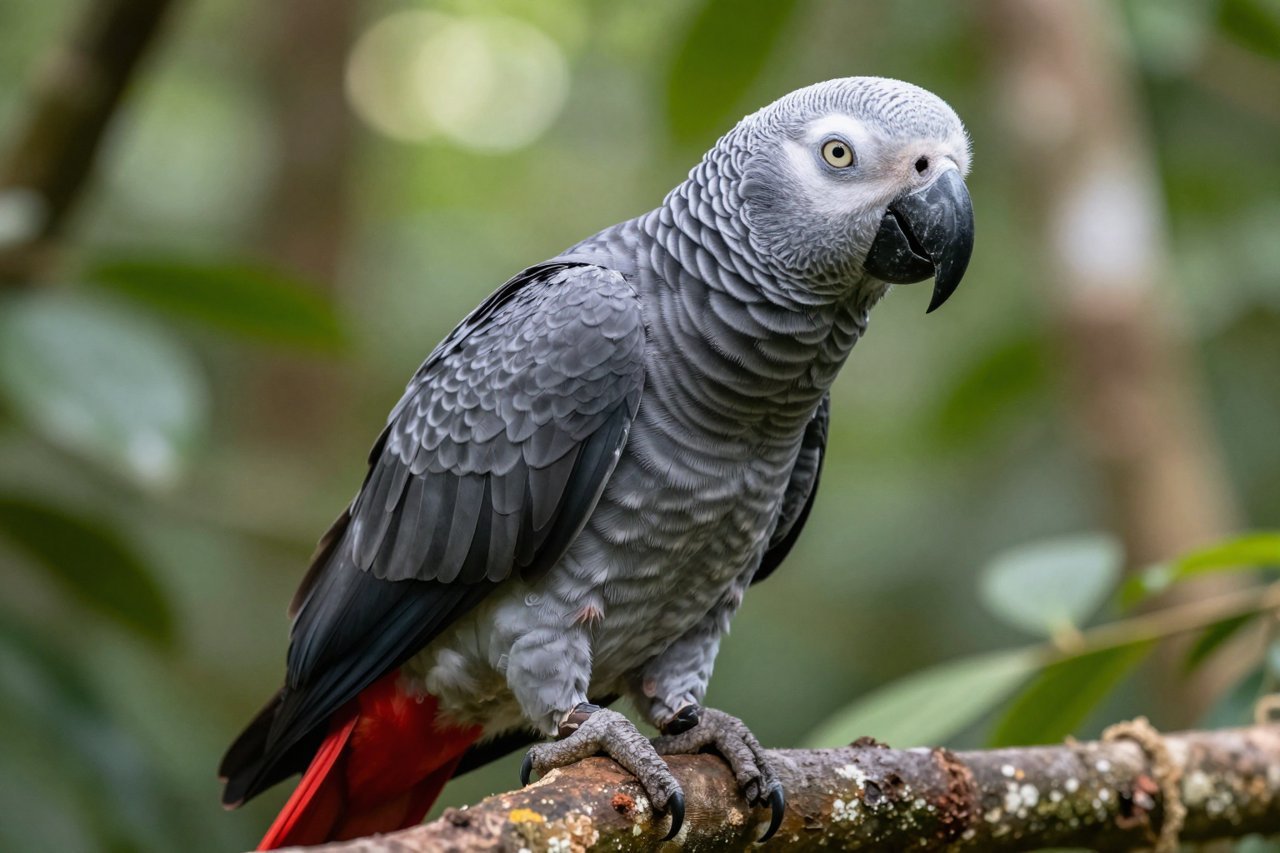
1. African Grey Parrot
Often called the Einstein of the bird world, the African Grey is widely considered the best talking parrot. It can learn hundreds of words and phrases, and it actually uses them in context. For example, a friend’s Congo African Grey named Mango says ‘Good morning’ when the lights come on and asks for a nut by name. They’re intelligent enough to solve puzzles, but they can be emotionally sensitive. A bored Grey might start plucking feathers, so they need plenty of toys, social interaction, and a consistent routine. If you can offer that, you’ll get an affectionate companion who’ll out-talk most humans. In the wild, they come from the rainforests of West and Central Africa – a region that’s on many birdwatchers’ lists.

2. Budgerigar
Don’t let the tiny size fool you. Budgies can rival African Greys in vocabulary size. The Guinness World Record for the largest bird vocabulary goes to a Budgie named Puck, who knew over 1,700 words. They have a softer, more raspy voice, so you’ll need to listen closely. Budgies are sociable and relatively easy to care for, making them a fantastic entry-level talking parrot. Even though they’re small, they need a spacious cage and regular time outside. If you’re a first-time bird owner who wants a chatty pet without a huge commitment, a Budgie is a brilliant start.
3. Blue-fronted Amazon
Amazons are the entertainers of the parrot world. The Blue-fronted Amazon, with its vivid green body and blue blaze above its beak, is one of the best talkers of the group. They have a surprisingly clear voice and love to sing, whistle, and mimic household sounds like a ringing phone or a microwave beep. But they also come with a strong personality – a bored Amazon can get loud and destructive. They thrive with firm, patient training and plenty of out-of-cage playtime. If you have the time to dedicate to this charismatic bird, you’ll be rewarded with a delightful chatterbox. Native to the Amazon basin, this species is a highlight for many travelers to South America. If you’re dreaming of seeing these birds in the wild, our wildlife spotting recommendations offer a few ideas.
4. Eclectus Parrot
The Eclectus is a visual and vocal stunner. Males are a vivid green with candy-corn beaks, while females are brilliant red and purple – they look like entirely different species. Their speech is often clearer and more melodic than many parrots. They can mimic conversations with a soft, pleasant tone. Eclectus parrots are more relaxed than Amazons, but they have very specific dietary needs due to their long digestive tract. They need plenty of fresh fruits and vegetables. With proper care, they can become a loving, chatty companion for decades.
5. Indian Ringneck Parakeet
If you’re patient, the Indian Ringneck might win your heart. These sleek birds are famous for their ability to speak in a deep, human-like voice, and they often learn to talk later in life – some don’t start until they’re two or three years old. Many owners report their Ringnecks using words in context, like greeting visitors or asking for a treat. They’re also highly active and independent, which can make them a challenge for a beginner. But for someone who respects their boundaries, an Indian Ringneck is a fascinating talker with a unique personality.
6. Quaker Parrot
Quakers are grey-breasted, green-feathered parrots with a bold personality and a reputation for clear speech. They can build large vocabularies and often string together complete sentences. Quakers are also known for building elaborate nests, so they’re always busy. They’re social, playful, and often bond strongly with one person. Before getting a Quaker, check your local laws – they’re illegal in some U.S. states because of their ability to escape and establish colonies. Elsewhere, they’re beloved pets with a big attitude in a compact body.
7. Cockatiel
Rounding out our list is the adorable Cockatiel. They might not have the huge vocabulary of a Grey, but they’re excellent whistlers and can learn several phrases with a sweet, gentle voice. Male Cockatiels are usually better talkers than females, and they often learn to whistle entire tunes. They’re affectionate, easy to train, and perfect for families. A Cockatiel won’t shout the house down, but they’ll keep you company with soft chirps and heartfelt mimicry. For a first-time bird owner who wants a cuddly companion, this is a fantastic option.
How to Encourage Your Parrot to Talk
Getting a naturally talkative species isn’t a guarantee. You need to put in the effort. Here are some targeted strategies that actually work:
- Start young: Ideally, get a hand-fed baby that’s used to human interaction.
- Repeat, repeat, repeat: Say a word or short phrase every time you do something associated with it, like ‘hello’ when you enter the room.
- Use the right tone: Birds learn faster with an enthusiastic, high-pitched voice.
- Practice in sessions: 10-15 minutes twice a day beats one long hour.
- Reward immediately: Give a treat when the bird makes an attempt, even if it’s rough.
- Turn off distractions: A quiet room helps the bird focus on you.
- Be patient: Some parrots take months to say their first word. Don’t give up.
- Consider the environment: A stressed bird won’t talk. Make sure its basic needs are met.
Beyond the speech itself, talking parrots are thinking, feeling creatures that show off their intelligence through song and mimicry. If you’re inspired to learn more about where these birds live in the wild – from the savannas of Africa to the rainforests of South America – you might enjoy exploring some amazing wildlife destinations. Seeing a parrot soar through its natural habitat is a vision you’ll never forget, and it’ll make you appreciate that ‘hello’ from your feathered friend even more.


