
Table of Contents
Congratulations. You’re ready to welcome an animal into your home. It’s a decision that brings quiet mornings with warm coffee, tiny paws on your lap, and the occasional chewed-up shoe. But getting the right pet for your experience level matters a lot. Choose poorly and you’ll both be miserable. Choose well and you’ll build a bond that lasts for years. So what makes a pet beginner-friendly? Generally, it’s an animal that forgives small mistakes, tolerates handling, and fits comfortably into your budget and routine. Here are the 7 best pets for first-time owners, each with its own personality, quirks, and needs. Read this guide before you take the leap, and you’ll be far better prepared for the journey.
What Makes a Pet Beginner-Friendly?
Before we get to the list, look for these qualities in any potential pet:
- Doable daily care: feeding, cleaning, and attention that takes under an hour
- Affordable upfront and ongoing costs: equipment, food, vet care won’t break you
- Predictable temperament: calm enough for kids, roommates, or people new to animals
- Forgiving nature: small mistakes like a missed meal won’t be catastrophic
- Reasonable lifespan: you want a commitment you can truly keep, not a 20-year surprise
Keep those five features in mind as you read about each animal below.
1. Guinea Pig
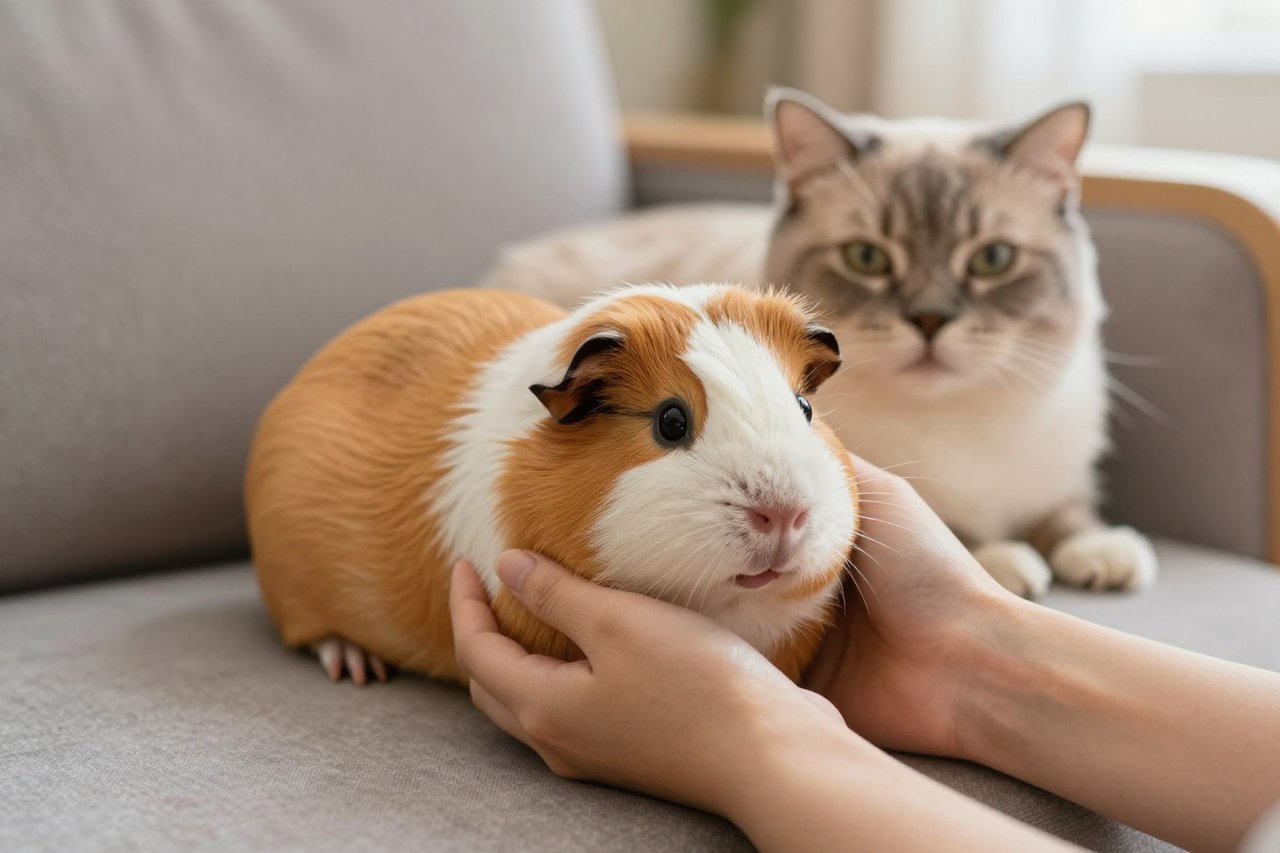
Guinea pigs are social, vocal, and full of charm. They need a companion of their own kind, so you’ll usually see beginners adopt a bonded pair. That might sound like more work, but it actually means you get double the joy for barely any extra effort.

Their needs are straightforward: a roomy cage (at least 7.5 square feet for one pair, though bigger is always better), unlimited timothy hay, fresh vegetables daily, and vitamin C supplements or pellets enriched with the vitamin. They live an average of five to seven years, which gives you plenty of time to become close.
One of the best parts of guinea pigs is how quickly they learn your voice and routine. They’ll squeal when they hear you open the fridge, and they’ll settle into your lap for a nightly petting session. Just keep in mind they’re prey animals, so they don’t love being grabbed from above. Cradle them gently and let them approach you.
2. Betta Fish
Bettas are often sold as low-maintenance pets, and they do tolerate more than most fish. But the truth is they need a proper setup. A 5-gallon tank with a gentle filter and a heater is the minimum. Skip the fishbowl entirely. These fish are tropical and need water around 78°F (26°C).
Once your tank is cycled and stable, bettas thrive. They interact with you, swim to the glass when you approach, and even learn to take food from your fingers. They’re also hardy enough to bounce back from a beginner’s mishap, like a slightly off water change, as long as you don’t repeat it.
Feeding is simple: two to three pellets once a day, with a fast day or two each week. Cleaning the tank takes about 30 minutes every couple of weeks. For a low-maintenance companion you can watch without the guilt of a needy animal, a betta is an excellent first fish.
If you’re comparing other easy-care options, check out our round-up of the easiest pets to take care of for more ideas.
3. Budgerigar (Budgie)
Budgies are small, intelligent parrots packed with personality. They can learn a surprisingly large vocabulary, and many speak in clear, if squeaky, voices. Their charm has made them one of the most popular pet birds in the world.
They require a cage large enough for flying short distances, daily fresh water and food, and plenty of toys to keep their busy minds active. Without enrichment, budgies get bored and may develop bad habits like feather plucking. But with a few chew toys and even 15 minutes of out-of-cage time each day, they stay happy and engaged.
One thing to know: budgies are social and do best when you spend time with them. If your schedule is packed, consider adopting a pair. They’ll bond with each other and still love interacting with you. If the idea of a talking bird appeals to you, you might enjoy learning more about the best talking parrot species in a separate guide.
4. Adult Shelter Cat
Cats are famous for being independent, which makes them ideal for first-timers who want a pet that doesn’t need walks or constant supervision. An adult shelter cat, especially one that’s already litter-trained and socialized, removes the unpredictable phase of kittenhood.
You’ll need to provide a litter box, a scratching post, and a few toys. Feed them high-quality cat food, and take them to the vet once a year for checkups. Cats groom themselves, manage their own exercise, and often sleep up to 16 hours a day, so your lifestyle doesn’t have to revolve around them.
What you get back is a quiet companion who chooses to sit on your lap, follows you from room to room, and purrs like an engine. Adult cats have personality traits that are already visible, so you can pick a mellow, social, or playful personality that fits your home. Many shelters offer adoption days with discounted fees. That’s a win for your wallet and a win for the cat.
5. Adult Rescue Dog
Dogs are a bigger commitment than most pets, but an adult rescue dog can be perfect for a first-time owner, especially if you’re active and have time to bond. Puppies are adorable, but they’re also exhausting. Adults often come with basic training, a settled temperament, and a desperate desire for a stable home.
You’ll need to budget for food, treats, routine vet care, and possibly training sessions. Plan on daily walks, which means you’ll need both time and energy. The good news is that most rescue dogs are housebroken and know basic commands. You can focus on building a relationship instead of teaching everything from scratch.
If you have your heart set on a specific breed, do your homework first. Some breeds, like those on our list of the top dog breeds in the world, are easier to care for than others. Whether you go purebred or mixed, investing in a few obedience classes early pays off for years.
6. Leopard Gecko
Leopard geckos are one of the most beginner-friendly reptiles. They have a calm demeanor, tolerate handling, and don’t need a huge enclosure. A 20-gallon tank is enough for one adult. You’ll need a heat mat to keep the floor warm, plus a hide and a damp hide for shedding.
Their diet is mostly insects: crickets or mealworms, dusted with calcium powder a few times a week. Feeding is a bit like playing a game, since they track moving prey. Many owners find it fascinating to watch their gecko stalk and strike.
These geckos live 15 to 20 years, so you’re making a long-term pledge. But because they’re nocturnal, they’re often alert when you come home from work. They don’t need constant attention, and they rarely bite. For anyone curious about other uncommon animals with specific setups, our guide to exotic pets you can legally own offers more context on what it takes.
7. Fancy Rat
Fancy rats are small, sociable, and surprisingly smart. They learn to recognize their names, come when called, and even enjoy playing games. They’re also meticulously clean and love to groom themselves. Yes, rats get a bad reputation, but pet rats are a completely different story.
They need a spacious, multi-level cage with bedding, a wheel, hammocks, and toys. Rats are social, so you should adopt them in pairs of the same gender. They require daily exercise outside the cage, which can be as simple as 30 minutes in a safe, rat-proofed room, with you supervising.
The biggest drawback is their short lifespan: only two to three years. That’s hard for many owners. But for a first-time owner who wants to learn about caring for an intelligent animal without facing a 20-year commitment, that could be an advantage. You’ll experience the full arc of pet ownership and be able to take a break before your next pet.
Before You Bring One Home
Take a long, honest look at your budget, your living situation, and your daily schedule. Make a list of what you can offer: how many hours you’ll be away, how much floor space you have, and whether you can afford surprise vet bills. Small pets can have big medical costs, just like dogs and cats.
Also consider allergies. You might love the idea of a cat, but if someone in your household sneezes around fur, a leopard gecko or betta fish is a better fit. Visit the animal in person. Spend time with it at a shelter or a breeder. Observe how it reacts to your presence. A calm, curious animal is a better match for a new owner than an anxious, aggressive one.
Finally, talk to your vet before the pet arrives. A quick pre-purchase consultation can alert you to anything you didn’t think about, from vaccination needs to dietary specifics. With a little planning, you’ll set yourself and your new companion up for a happy life together.


