
Table of Contents
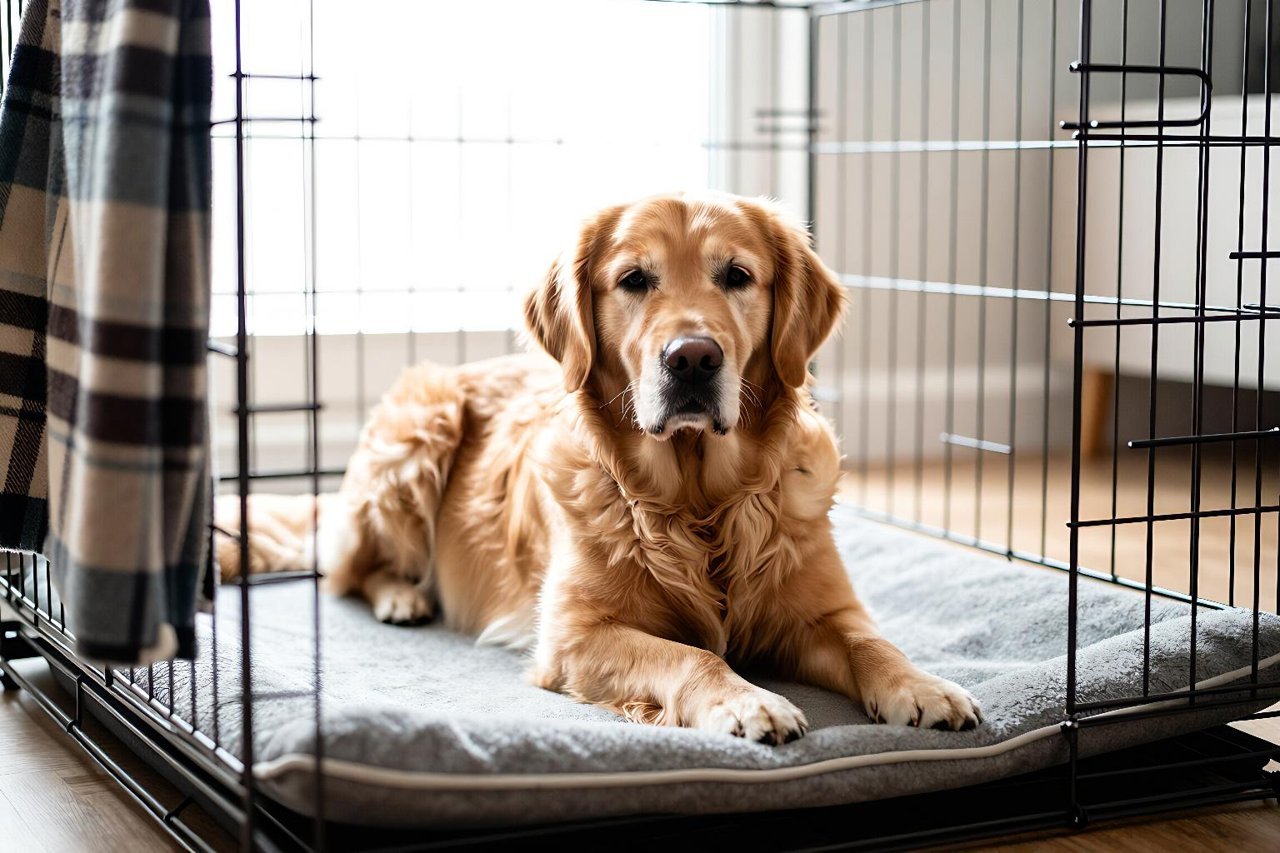
Picture a kennel and you might see cold metal bars and a miserable dog. Most people do. But when a kennel is introduced correctly, your dog treats it like a private den. It becomes the place they retreat to during family chaos or when they are simply tired. If you are new to this topic, here are the fundamentals you need before you shop.
First, Sort Out What “Kennel” Means
One reason beginner guides get confusing is that the word kennel is used for three very different things.
- Indoor kennel – a wire, plastic, or fabric crate that lives in your home for rest, sleep, or house training.
- Outdoor kennel – a covered chain-link run or enclosure for supervised time outside.
- Boarding kennel – a commercial facility that looks after your dog while you travel.
If you are crate-training a puppy, you need the first. If you want a safe way to leave a dog outside for an hour or two, you need the second. And if you are heading away for a weekend, the third might be your solution. They are not interchangeable. Many people buy the wrong thing because they haven’t decided which category they actually need. The practical owner’s guide to choosing and using kennels for dogs explains these roles in more context.
The Main Styles You’ll Meet
Once you know whether you need an inside or outside space, you can start comparing products. Online shopping makes this easier, but it also swamps you with options. Here is what you will see.

Wire Crates
Wire crates are the most common indoor design. They give a dog a clear view of the room, offer good airflow, and fold flat when you need the floor back. Many come with divider panels, so one crate can grow with a puppy. They are easy to clean, though some dogs feel too exposed in them. A fitted cover can solve that by making the space feel den-like.
Plastic and Fabric Crates
Plastic kennels, modelled after airline-approved designs, are more enclosed. They block sightlines, which helps anxious dogs settle. They are also heavier and do not fold flat. Fabric pop-ups are light and handy for travel, but not for a determined chewer. One bored set of teeth can tear through the side in minutes.
Outdoor Runs
For a dog that spends supervised time in the yard, a heavy-gauge chain-link run provides ventilation and security. Most kits come as modular panels, so you can adjust the footprint, and many include a roof. The floor should be concrete, paving slabs, or gravel with drainage, not bare soil that turns to mud.
Boarding Facilities
Then there are kennels for dogs that you don’t install at home. Boarding kennels are facilities where a dog stays overnight, usually in an indoor sleeping area with access to a private outdoor run. They range from basic and affordable to luxury, but the essentials are always cleanliness, supervision, and enough space.
If you want to see the pros and cons of these options side by side, the four main kennel types compared article explains when each one is the right fit.
Never Guess the Size
The biggest beginner mistake is buying a crate based on breed label or estimated weight. A wire crate that forces a retriever to crouch will never become a loved space. The universal rule is this: your dog must be able to stand up without ear rubbing, turn around without squeezing, and stretch out flat on their side. Take a few measurements before you shop: the distance from nose to base of tail, shoulder height while standing, and shoulder width. Add five to ten centimetres for comfortable clearance.
As a rough starting point, a Border Collie often fits a 30-inch crate, while a Labrador usually needs the 42-inch version. Do not lock a dog inside until they can stand and turn without touching the top or walls.
Outdoor runs need a different calculation. A dog should be able to walk several full steps without having to stop. If the run is only long enough for a bed and bowl, it’s too small for anything beyond a quick toilet trip.
What the Material Needs to Do
The right material depends on where the kennel will live, how much your dog chews, and whether you plan to travel.
- Wire: pick welded wire with smooth edges and a removable tray. Heavy-gauge wire resists a strong dog pushing against it.
- Plastic: look for impact-resistant plastic with no cracks or sharp seams, especially if you fly.
- Metal panels: for outdoor runs, choose a heavy-gauge galvanized chain-link. The thin stuff flexes and distorts at the corners.
- Fabric: only for non-destructive dogs and indoor use.
Always check the door latch. If you can open it with one flick, a clever dog will eventually figure it out too.
Where and How to Set Up Your New Kennel
Placement matters more than many new owners expect. Put the kennel in a social part of the house, like the living room, so your dog is not isolated during the day. At night, you can move it to the bedroom if that helps your puppy sleep. Avoid drafty windows, direct sun, and air-conditioning vents.
Inside, a washable raised mat works better than a folded towel because it keeps its shape and doesn’t hold moisture. Add two or three tough chew toys. Skip blankets your dog can shred and swallow.
Once the location is sorted, take the introduction slowly. This step-by-step setup guide for dog kennels walks you through the routine, including bedding choices and how to adjust the door opening schedule.
Turn the Kennel into a Positive Place
Some dogs walk into a kennel immediately; most need several days. The fastest way to create a negative association is to close the door on day one and leave the dog alone. Instead, leave the door open for the first few days, toss treats inside, and feed meals near the entrance. Wait until your dog steps in of their own accord. Then practise closing the door for five seconds, then ten, then a minute, giving a treat while they stay calm.
Many first-time owners repeat the same errors, like using the kennel for punishment or keeping the dog inside too long. If you worry you are starting to do that, check out these seven common kennel mistakes and the fixes for each.
When “Kennel” Means a Boarding Facility
You may not be buying a kennel at all. If you are planning a trip, “kennels for dogs” might describe the place your dog will stay overnight. Before you book, visit the facility without warning and ask to see the sleeping area. Look for water bowls that cannot tip, clean surfaces, and staff who can confirm vaccination requirements. Ask how often dogs are exercised, how food allergies are handled, and what the plan is for a medical emergency.
A traditional boarding kennel is not your only option. Some dogs settle better in a sitter’s home, while others prefer the structure of a dedicated kennel. This guide to kennels, in-home boarding, and dog sitters compares the trade-offs so you can make a balanced choice.
Whichever direction you take, the principle stays the same. Choose the right type, give your dog enough room, and make the experience calm. That is how a kennel becomes a useful part of life instead of a locked cage.


