
Table of Contents
Celebrity news is everywhere. It follows us into the grocery store, pops up on our social feeds, and even sparks conversations at dinner parties. But for all its ubiquity, the way we consume it has changed dramatically in the last decade. The stories we see aren’t just random photographs or hastily written captions; they are carefully crafted, meticulously timed, and often strategically placed. Understanding how celebrity news works gives you a front-row seat to a world that is far more calculated than it might appear.
The Changing Face of Celebrity News
Mention the name “celebrity news” and most people think of glossy tabloids or entertainment TV shows. But those are just the last remnants of an older era. The true shift began with the internet, and it took another leap with social media. Today, celebrities aren’t just the subjects of headlines; they’re often the ones publishing them.
From Print to Pixels
Twenty years ago, if you wanted to know what your favorite actor was doing, you had to wait for the weekly issue of a magazine. There was inherent gatekeeping. Journalists, photographers, and editors decided what was newsworthy. The arrival of digital media cracked those gates open. Now, news breaks on Twitter in real time, and even the most minor sighting or comment can go viral within minutes.
The decline of print wasn’t sudden, but it was decisive. Magazine circulations fell, writers moved to outlets like this one, and celebrity news became a 24/7 operation. Instead of waiting for tomorrow’s paper, we refresh our feeds every few minutes. The payoff for fans is instant access; the downside is a flood of unverified rumors that spread faster than ever.

The Rise of the Celebrity as a Brand
One of the most interesting consequences of this digital shift is how celebrities have turned themselves into full-fledged brands. A famous face is no longer enough; sustainable stardom now demands a business identity. Some do it through lifestyle products, others through fitness lines or fragrances. A perfect example is Cindy Crawford, who transitioned from modeling icon to successful entrepreneur. Her beauty company proves that a well-managed celebrity image can outlast any single hit movie or runway show.
This branding isn’t accidental. Every Instagram post, every podcast appearance, every carefully leaked story is part of a larger strategy. When you see a celebrity promoting a new product, it’s rarely random; it’s a coordinated push with PR teams, managers, and corporate sponsors. Understanding this helps you see the mechanism behind the headlines.
Why We Can’t Look Away
The psychology behind our fascination with celebrity news is complex, but it’s also deeply human. We are wired for gossip; it’s how we used to understand our social networks and where we stood in the tribe. Celebrity culture provides a surreptitious version of that: a cast of characters we get to know without ever really meeting.
We develop parasocial relationships with these people. We watch them grow, struggle, succeed, and fail. We might know more about a celebrity’s daily routine than we do about our own next-door neighbor. That emotional investment is why a wedding announcement or a messy divorce can command so much coverage. It’s not merely prurient interest; it’s a form of emotional connection. And for a few hours, it lets us escape the ordinary.
The Gatekeepers: PR, Paparazzi, and the Machine Behind the Headlines
Behind every celebrity news story is a network of gatekeepers deciding what you see. The most powerful are PR specialists, who cultivate relationships with editors and place stories for their clients. They know exactly when to release a piece of news to capture maximum attention, often coordinating with major events like movie premieres or album drops.
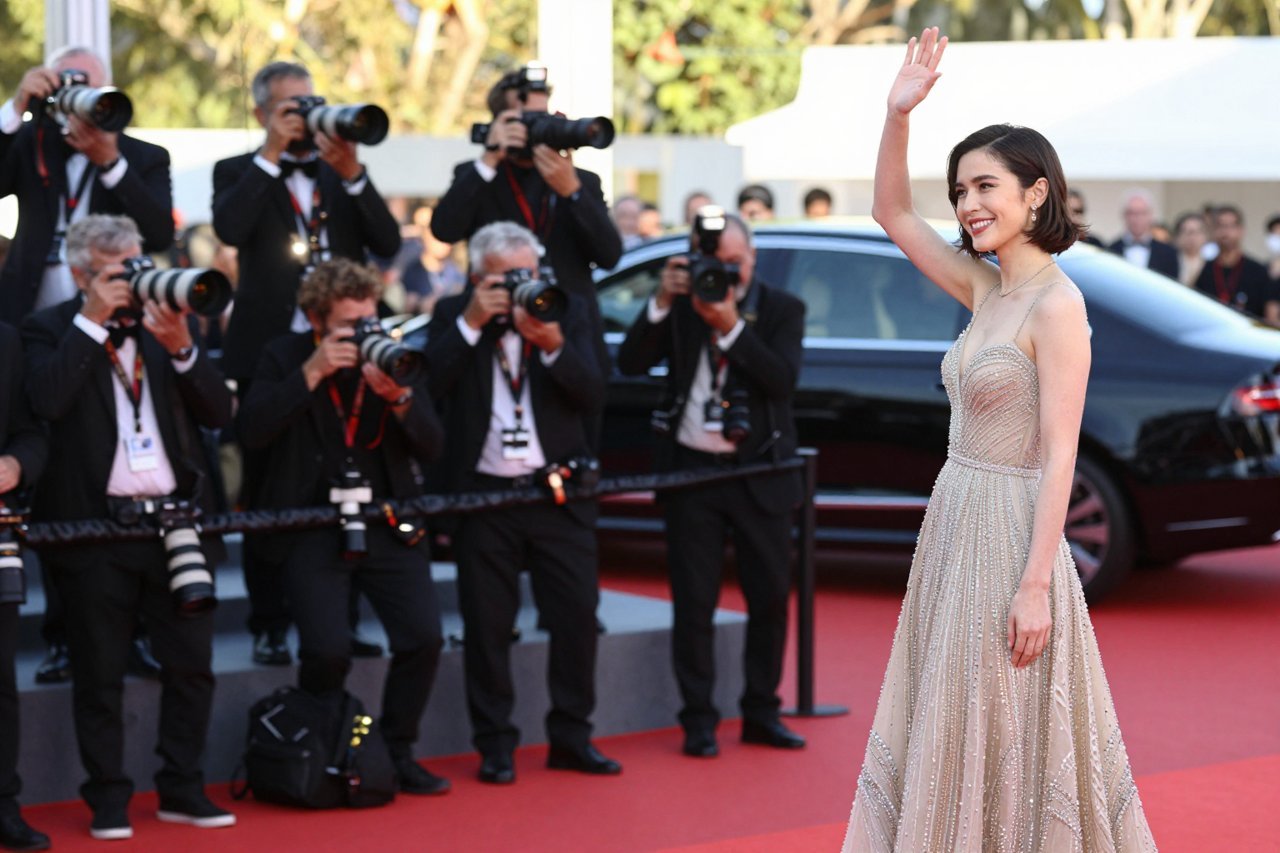
Then there are the paparazzi. Their job is to get the shot everyone will pay for, and they operate in a gray area between public curiosity and personal privacy. Their work is a constant subject of legal battles. For instance, Justin Baldoni’s lawyers moved to block Blake Lively’s damages bid, showing how legal disputes over public narratives can become major news in their own right. When two powerful figures in Hollywood clash, the legal filings become public drama, and we get to watch the mess unfold.
The Anatomy of a Positive Story
Not every celebrity story is about lawsuits or scandals. The ones that make us smile often involve kindness, nostalgia, or unexpected friendships. Take Leonardo DiCaprio, who recently shared sweet memories of working with Diane Keaton in “Marvin’s Room.” Those moments remind us why we fell in love with certain stars in the first place. They humanize the icons, bridging the gap between their larger-than-life personas and our own experiences of fond memories and respect for older colleagues.
Similarly, there’s a category we might call “feel-good news” that gets picked up quickly. A celebrity doing something generous can become as viral as any controversy. Social media platforms are tailor-made for these stories, because they invite a collective “aw” that drives engagement.
The Human Side of the Headlines
Not every story is glamorous, and sometimes the news hits closer to home. The recent death of Charles Rogers, the 31-year-old runner who died during the Brooklyn Half Marathon, was covered by major outlets and shared across running communities. It wasn’t a celebrity name in the traditional sense, but it touched a broader audience through its human tragedy. The identification of Charles Rogers turned a tragic event into a personal story about a beloved community member. It’s a reminder that behind every headline is a real person with a family, friends, and a story longer than any article can tell.
The Double-Edged Sword of Instant News
The speed of modern media is both thrilling and dangerous. Remember when a celebrity sneezes and it’s on the news? That’s the beast we’ve created. The upside is that fans stay connected in real time. The downside is that errors happen, and they spread quickly before corrections can catch up.
Sometimes the news itself is the reaction. When fans spotted a potential engagement, it wasn’t just a gossip blog speculating; even fellow celebrities jumped in. John Stamos and Josh Gad shared their hilarious reaction to the Taylor Swift engagement speculation, and that clip became its own story. Their comical takes on the news demonstrated how we all consume and react to these moments together, creating a shared cultural experience.
There’s also a pattern where celebrities directly address rumors or use social media to bypass traditional media. A single well-timed tweet can kill a negative story or, just as easily, ignite a new one. This direct connection is powerful, but it also means fewer filters between the celebrity and the audience. Every live video and every offhand comment is now fodder for the news cycle.
How to Spot Reliable Celebrity News
With so much content flooding your screen, it’s easy to feel overwhelmed. But you don’t have to take everything at face value. Here are a few practical ways to separate fact from fiction:
- Check the source: Reputable outlets have editors and fact-checkers. Be wary of anonymous blogs or social media accounts that share rumors as fact.
- Look for multiple confirmations: If a story is true, several credible outlets will report it independently, not just one source quoting another source.
- Watch the language: Words like “reportedly” and “allegedly” signal speculation. If a headline is too definitive, it might be jumping the gun.
- Consider the motive: Ask why a story is appearing now. Is a movie coming out? A product launch? A legal battle? These contexts can indicate a planted or strategic leak.
- Verify with original posts: Celebrities often address rumors directly on their own platforms. It can be worth checking their profiles before believing the gossip.
Even with these tips, remember that celebrity news is often more about entertainment than hard journalism. It’s okay to enjoy the spectacle as long as you stay aware that what you’re seeing is a curated show.
The Future of Celebrity News
Where is this all heading? One trend is the increasing control celebrities have over their own images. With paid partnerships on Instagram, YouTube documentaries, and their own media platforms, they no longer depend on traditional outlets to reach fans. This might shift the balance of power away from paparazzi and toward the stars themselves. We saw something similar with Taylor Swift doubling back to tip workers as she exited a Grammy party; a moment that didn’t require a photographer hiding in the bushes, just a fan’s phone camera and a celebrity who knew the power of a simple gesture.
Another emerging factor is the use of artificial intelligence to create deepfakes and fabricated content. The industry will have to adapt, perhaps by placing more emphasis on verified accounts and authenticated behind-the-scenes footage. In that world, trusted brands and real-time authenticity will become even more valuable.
One thing is certain: celebrity news will never disappear. We are too curious, too social, and too much a part of this digital ecosystem to look away. But as consumers, we have the ability to be smarter. We can choose where to put our attention, which voices to trust, and how to engage with the never-ending stream of glitter, gossip, and drama. The next time you see a headline, take a second to wonder how it got there and what it’s really trying to tell you. That pause might be the most valuable insight of all.


