
Table of Contents
The Academy Awards, better known as the Oscars, have been Hollywood’s defining ceremony since 1929. Year after year, films compete for champagne-soaked glory while millions of viewers tune in to watch the winners react, the fashion unfold, and the inevitable live TV stumble. But beyond the red carpet and the acceptance speeches, there’s a whole machinery that decides which performance, screenplay, or sound mix takes home the gold. Here’s how the Academy Awards really work, from the first gold-plated statuettes to the changes coming in 2026.
A Brief History of the Academy Awards
The first Academy Awards ceremony wasn’t a televised spectacle. It took place in May 1929 at the Hollywood Roosevelt Hotel. The Oscars, as they’d later be known, were originally a 15-minute private dinner. Tickets cost $5. A few hundred people attended, and the winners had actually been announced three months earlier so the press could publish results in advance.
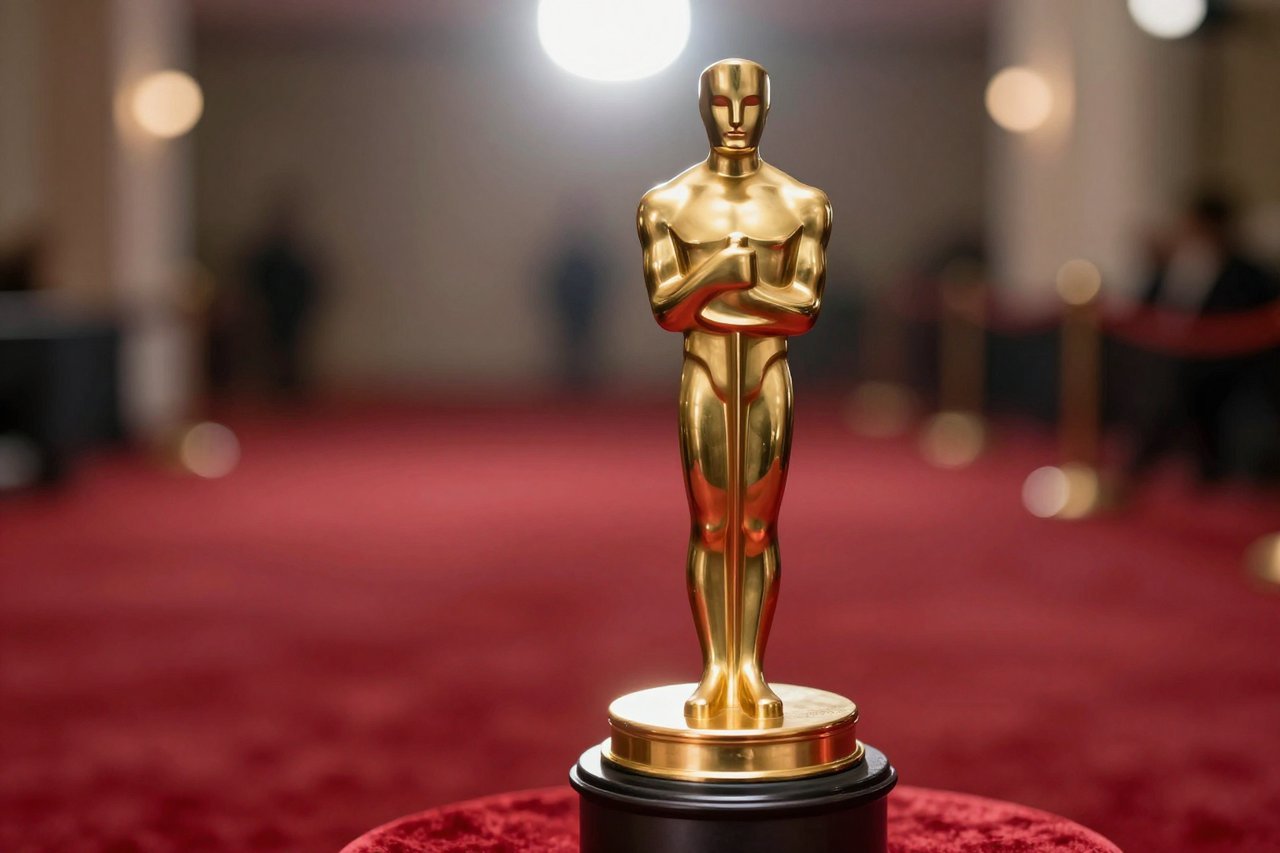
That system didn’t last long. By the second ceremony, the Academy started keeping the winners secret until the night itself, a tradition that gave the event its dramatic tension. The nickname “Oscar” has disputed origins. One popular story credits Academy librarian Margaret Herrick, who said the statuette reminded her of her uncle Oscar. Another claims a columnist used the name. Either way, the trophy has become one of the most recognized objects in the entertainment industry.
The ceremony also grew into a global business. By the 1950s, it was being broadcast live on TV, and that’s when the Oscars began shaping Hollywood’s release calendar. Studios aim for a fourth-quarter release to stay fresh in voters’ minds, which explains why the fall film festival season is seen as the unofficial start of the awards race. The whole cycle is now so influential that other industries built their own versions, including the Grammys, which copied the idea of a blockbuster televised awards night.

How Oscar Voting Actually Works
The Academy of Motion Picture Arts and Sciences now has more than 10,000 voting members spread across 17 branches, from actors and directors to visual effects supervisors and publicity professionals. It’s not one giant, unanimous decision process; it happens in two phases.
First, each branch nominates its own discipline. Actors nominate actors, directors nominate directors, and so on. Best Picture is the one category where every voting member gets to weigh in during the nomination phase.
Then comes the final voting round. All members can vote in all categories for the winners, but Best Picture uses a preferential ballot. Members rank every Best Picture nominee in order of preference. If a film receives more than 50 percent of first-place votes, it wins. If not, the lowest-ranked film is eliminated and its votes are redistributed to second choices, continuing until someone breaks 50 percent. That’s how a movie that is everyone’s second or third favorite can win over one that is many people’s first.
This system rewards consensus. It’s also why a crowd-pleaser like Oppenheimer can sweep while a more divisive film gets left with a nomination but no prize. Here’s a quick summary of the process:
- Actors nominate actors, directors nominate directors, and each craft branch nominates its own specialty.
- Best Picture is an exception: every voting member submits a nomination.
- Once the nominees are announced, all members vote on the winners in every category.
- Best Picture uses a preferential ballot, ranking films by order of preference.
- PricewaterhouseCoopers, or PwC, has tabulated the ballots since 1935.
The Award Categories You Should Know
The Oscar lineup has expanded and reorganized over the years. Behind the obvious contenders (Best Picture, Best Director, Best Actor, Best Actress) there are dozens of craft categories: cinematography, editing, sound design, costume design, and even a specific statuette for make-up and hairstyling. Animated features, international films, and documentaries have their own slots.
One notable change came in 2026, when the Academy announced a new category for Best Casting. It’s the first new category in nearly two decades, and it puts a formal spotlight on casting directors, whose work had previously been overlooked in the general categories. This means the ceremony now has more competitive races than ever before, and the industry is still adjusting to what belongs in a broadcast that already runs past three hours.
For those who want to track the films likely to land in these categories, looking ahead at the theatrical release calendar is a good place to start. Awards-season viewers tend to pay special attention to late-year releases, and the 2026 slate has already generated early speculation.
The Red Carpet: Where Fashion Becomes Content
The Oscars might be a celebration of film, but the red carpet is often the most talked-about part of the night. Designers spend months dressing actors, and stylists coordinate with jewelers and beauty campaigns to create images that will dominate social media for days. In recent years, no one has commanded that spotlight quite like Zendaya, whose red-carpet choices have become their own mini-events. She can turn a vintage gown into the most-shared image of the evening, which is a reminder that the Oscars are as much about visual culture as cinema.
It’s not all glossy perfection. The 2022 run of infamous moments, like Will Smith slapping Chris Rock, showed how the ceremony is still live television at heart. These are the moments that break the fourth wall and remind viewers that no amount of rehearsing can control a live show.
Why the Awards Still Matter
Some say the Oscars have lost their cultural relevance. Viewership did drop to lows under 10 million in 2021, but it rebounded to 19.5 million for the 2024 broadcast. Numbers like those still put the ceremony in the upper echelon of live TV, far ahead of most primetime programming. More importantly, winning an Oscar has a measurable financial impact. Literature and box office analysis consistently show that a Best Picture win can add millions to a film’s gross and substantially extend its theatrical run. A nomination alone often boosts a film’s box office by 15 to 20 percent.
That’s why studios, actors, and publicists devote so much of the year to this single night. It’s also why audiences keep watching. In a related look at award shows and why we love them, I described this tension between glamour and unscripted chaos. No other live event puts a top actress in a famous gown shaking hands with a cinematographer who just won for a submarine epic. The unpredictability is the hook.
What’s Next for the Academy Awards
The Oscars are still finding their footing in the streaming era. The 2025 winners included a mix of theatrical blockbusters and modestly budgeted stories, but the old assumption that a movie must be in theaters to win has been retired. Streaming services now have their own awards campaigns, and the Academy has adapted by making some films eligible without a traditional theatrical run, depending on their distribution plans.
The Best Casting category is one part of that evolution. Another is the push for shorter broadcasts and more inclusive representation. The 2026 ceremony will also see more accessible voting timelines, with members getting a longer window to watch screeners. All of these changes are designed to keep the Academy Awards feeling relevant in a fragmented media environment.
If you want to follow the next crop of contenders, the 2026 movie release schedule is already worth watching. That’s where now-hidden gems will become next year’s front-runners.


