
Table of Contents
When Max, my lab, hit 11, he stopped jumping onto the couch in one go. He’d pause, look at me, then brace himself like he was climbing stairs. That’s when I started researching orthopedic memory foam dog beds—not because a sales page told me to, but because he started sleeping worse after rounds of fetch. If your dog is slowing down, stiff after napping, or chronically steals your pillow, this guide is for you.
What Exactly Is an Orthopedic Memory Foam Dog Bed?
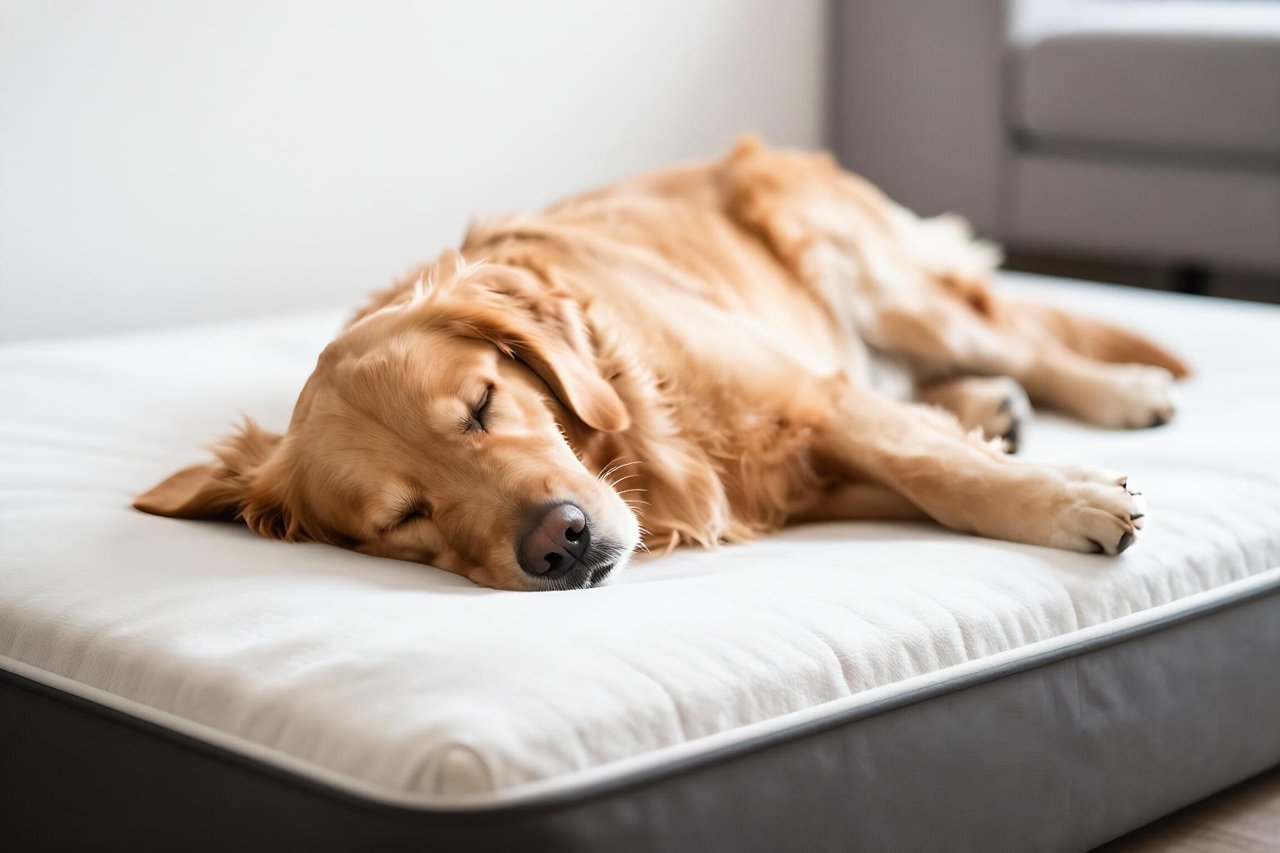
A regular dog bed is basically a stretched pillow. An orthopedic memory foam dog bed, on the other hand, uses a dense foam layer that contours to your dog’s body shape and distributes weight evenly. The idea is to reduce pressure on joints and hips, which is why vets often recommend them for arthritis, hip dysplasia, and post-surgery recovery.
The key term on spec sheets is support foam. Cheap generic foam collapses within weeks. True memory foam, like the kind in these beds, is typically 3 to 4 inches thick at minimum and has a density of 4.5 to 5.5 pounds per cubic foot. That density is what keeps it from bottoming out under a 70-pound dog.
How It’s Different from Standard Pet Beds
Standard fiber-filled beds flatten under weight. You’ve probably noticed your dog sleeping on the floor with his head on the bed edge—that’s a sign the bed isn’t supporting him. Orthopedic foam holds its shape overnight, and unlike egg-crate toppers, it doesn’t break down after a few washes.

Signs Your Dog Would Benefit from One
Not every dog needs an orthopedic bed. Puppies and small, healthy adults often do fine with a basic cushion. But watch for these red flags:
- Stiffness or limping after getting up from a nap.
- Hesitation before climbing stairs or jumping onto furniture.
- Visible joint swelling or a tight, tucked abdomen.
- Age over 7, especially for large breeds like Labradors, German Shepherds, and Golden Retrievers.
- Recovery from surgery or a fracture—joint offloading speeds healing.
If you’re still unsure, read this guide on whether you actually need an orthopedic dog bed. It breaks down the difference between a luxury upgrade and a medical need.
5 Features That Separate Good Orthopedic Beds from Gimmicks
Once you start shopping, you’ll see hundreds of options ranging from $30 to $300. Here’s what to actually pay attention to.
1. Foam Density and Thickness
That 4-inch minimum still holds. If your dog weighs over 50 pounds, get a 5- to 6-inch thick base. Thinner foam can compress to the floor, and then your money is wasted. Look for high-resilience foam that springs back immediately when pressed.
2. A Quality, Removable Cover
Your dog will drool, dig, and shed on this bed. You need a cover with a YKK zipper and a waterproof liner between the foam and the outer fabric. Look for durable microfiber or canvas—not cheap fleece that pills within weeks.
3. Non-Slip Base
Dogs with weak hips struggle more when their bed slips on hardwood floors. A rubberized bottom prevents that slide-and-crash moment. If a product photos shows a thin flannel base, skip it.
4. Sleeping Style Fit
Do you have a sprawler, a curler, or a burrower? A flat open mattress works for sprawlers. Curlers need a bolstered edge. Burrowers—like my terrier—will love a bed with a lift-up blanket or a cave-like shape.
5. Ease of Washing
I know you want a nice-looking bed, but if the cover isn’t machine-washable, you’ll be hand-scrubbing it. At minimum, the cover must be machine-washable on cold and dryable on low.
Why Some Dogs Still Prefer a Human Couch
Even with a great orthopedic bed, some dogs will glace at it and then hop onto the sofa. That’s partly scent and partly habit. Cozy, cushioned spots remind them of being close to you. If your dog does this, you have two choices: train her to use her own bed, or buy a couch specifically designed for dogs to share. These best couches for dogs are actually waterproof and claw-resistant—they let your dog feel like royalty without destroying your real furniture.
That said, don’t let a couch preference fool you into buying a thinner bed. A sagging couch cushions instantly can worsen joint pain in a senior dog. At the very least, place her orthopedic bed on the couch next to you, so she gets support and connection.
How to Care for a Memory Foam Bed So It Lasts
Memory foam is forgiving, but only if you treat it right.
First, always unzip and remove the foam core before washing the cover. Machine-washing the foam itself destroys it. Second, air out the foam every few weeks. It absorbs moisture from drool and sweat, and that leads to odors. Third, vacuum the cover weekly to prevent hair from embedding into the fabric. Finally, if your dog has an accident, sprinkle baking soda on the foam after spot-cleaning, leave it for 15 minutes, then vacuum.
A well-maintained bed can last 5 to 8 years, which makes the upfront cost easier to digest.
Is an Expensive Orthopedic Bed Worth It?
Here’s the honest math. A cheap bed costs $35 but may flatten in 6 months. A solid orthopedic bed runs $120 to $250—but if it lasts 5 years and your dog sleeps better, painful vet visits go down. Compare that to what you spend on your own sleep: many people invest $50 to $100 in a high-quality memory foam pillow for themselves. Your dog’s joints deserve the same treatment.
There’s also the behavioral angle. When a dog sleeps deeply on a supportive surface, she wakes up less groggy and grumpy. That means fewer 5 a.m. walks to “check things out”, and more mid-morning cuddles. For the price of two bags of premium dog food, you’re giving your dog a more comfortable decade.
A Quick Decision Checklist Before You Buy
Before you click “add to cart”, run through this checklist:
- Measure your dog’s length from nose to tail base, then add 15% for sleeping sprawl.
- Check that the foam core is at least 4 inches (5–6 inches for larger dogs).
- Press into the product photo—if it’s visibly thin, it’s a gimmick.
- Read reviews for genuine “my 80-lb Lab slept on this for a year and the foam still bounces back” comments.
- Confirm the cover is fully removable and machine-washable.
That’s the difference between a bed that decorates your living room and a bed that solves a problem. If you’re still hesitating, think about the mornings when your dog’s first movement after waking is a slow, reluctant stretch. A high-quality sleeping surface gives them the recovery time their body needs. That’s not pampering—that’s preventative care. Your old dog has given you years of loyal mornings; let her rest on a bed that’s built for the one thing she does best.


