
Table of Contents
Ashwagandha has a reputation most supplements never achieve: it’s been used in Ayurvedic medicine for over 3,000 years, yet modern clinical trials keep finding new reasons to take it seriously. You’ve probably seen it in capsule form at the pharmacy, or mixed into a functional latte, but the more interesting story is what happens inside your body when the root extract hits your system.
What Is Ashwagandha?
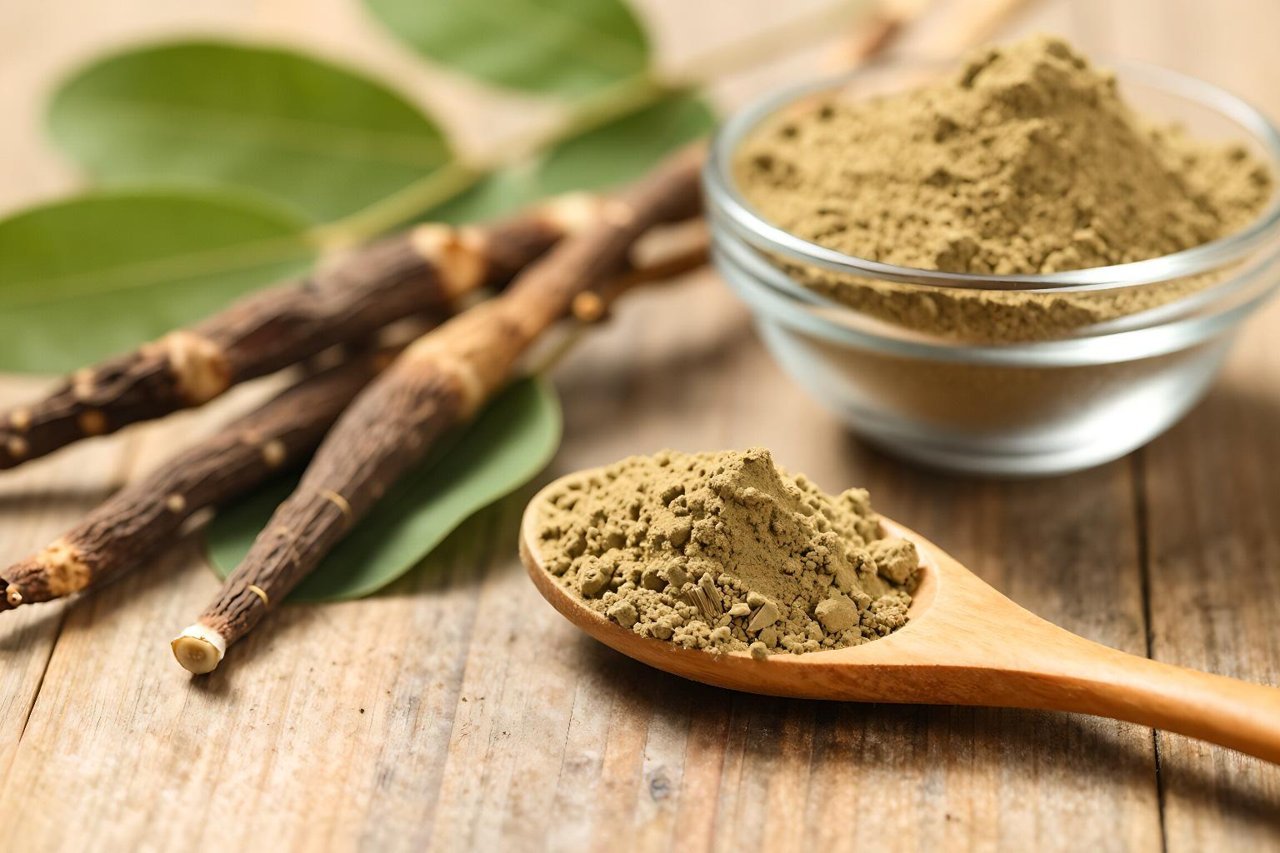
Ashwagandha (Withania somnifera) is a small shrub native to India and North Africa. The roots are dried and ground into powder or processed into concentrated extracts. The name comes from Sanskrit, meaning “smell of the horse”—a reference to the root’s strong earthy odor and the traditional belief that it imparts equine vitality. Botanists call it an adaptogen because it helps the body maintain equilibrium during stressful periods, instead of pushing a single system into overdrive.
Ashwagandha Benefits With the Most Research Behind Them
Stress and Anxiety Relief
Stress is where ashwagandha shines. In a 2019 randomized trial, 60 adults with moderate stress took 240 mg of a standardized root extract or a placebo for 60 days. The supplement group reported significantly lower stress scores, and their cortisol levels dropped by roughly 23%, compared with a smaller change in the placebo group. Cortisol is your body’s alarm system; when it stays elevated, you stay wired. Ashwagandha appears to quiet that alarm, not by sedating you, but by helping the adrenal system regulate its output.
The effect isn’t just psychological. Researchers have documented changes in heart rate variability and stress-related hormones after regular use. If you want to dig into how the herb acts on the nervous system, our breakdown of stress balance and physical recovery explores the mechanisms in more depth.

Better Sleep Quality
Many people first notice ashwagandha when they start sleeping more deeply. It’s not a hypnotic; it doesn’t knock you out like a sleeping pill. Instead, it takes the edge off cortisol so your brain can naturally transition into sleep. A study of people with chronic insomnia found that 300 mg of ashwagandha taken twice daily improved sleep latency and quality after eight weeks. Another trial using 500 mg of root extract for six weeks reported similar gains, with participants falling asleep faster and waking less during the night.
That’s a different pathway from melatonin for sleep, which works by shifting your circadian rhythm. If you’re dealing with stress-related sleep disruption, ashwagandha might pair well with melatonin—or with a solid sleep routine. Just remember that most commercial sleep aids don’t work for everyone, and our guide to sleep supplements explains why cheap melatonin blends often underdeliver.
Physical Performance and Recovery
Athletes and recreational gym-goers have also been drawn to ashwagandha. In a 2020 systematic review, researchers concluded that ashwagandha supplementation consistently improved physical performance outcomes. One study gave healthy men 600 mg per day for eight weeks while they completed a resistance training program. The ashwagandha group increased upper-body strength by nearly twice as much as the placebo group, and they also saw greater gains in lower-body strength and muscle size, plus a larger reduction in exercise-induced muscle damage.
If you’re training hard, the cortisol-lowering effect likely helps recovery. Fewer stress hormones floating around means your muscles can repair more efficiently between sessions. Some coaches recommend taking it on rest days and post-workout, rather than before training, to avoid dulling the acute stress response that helps you lift heavy.
Focus and Memory
The cognitive benefits are less established, but they’re worth noting. A 2017 study in adults with poor memory gave participants 300 mg of ashwagandha root extract twice daily. After eight weeks, they performed better on attention and reaction-time tasks, and their verbal memory improved compared to placebo. Researchers suspect the antioxidant properties of withanolides protect neurons from oxidative stress, though more work is needed to pin down exactly how it works in the brain.
Other Potential Ashwagandha Benefits
Beyond stress, sleep, and strength, research is exploring ashwagandha for thyroid function, testosterone support, and blood sugar balance. One older study in healthy men reported a 14.7% increase in testosterone with 600 mg daily for 16 weeks, while another small trial in men with low sperm count saw improvements in sperm concentration and motility after three months. These findings are promising but preliminary. The most consistent data still point to the adaptogenic stress effects, not a magic testosterone pill.
If you’re wondering whether ashwagandha is right for you, here are the situations where people commonly notice a difference:
- You have a high-pressure job and feel mentally drained by the end of the week.
- You lie in bed worrying instead of falling asleep, even when you’re exhausted.
- You train consistently but feel like your strength or endurance has plateaued.
- You catch every cold that goes around and want some immune support.
How to Take Ashwagandha: Dosage and Timing
Ashwagandha supplements come in capsules, powders, tinctures, and gummies. The doses used in most clinical trials range from 300 to 600 mg per day of root extract standardized to contain 2.5% to 5% withanolides. Some products sell a concentrated extract with 10% withanolides, but there’s less research on those, so start on the lower end. If you’re using a powder, a typical serving is half a teaspoon mixed into warm milk or a smoothie. Begin with once a day for a week, then progress to a split dose—morning and evening—if you don’t notice any negative effects.
Timing matters. If the goal is sleep, take it in the late afternoon or a few hours before bed. For stress and energy balance, a morning dose can help set a calmer tone for the day. Avoid taking it right before an intense workout, as it may blunt the training-induced cortisol spike that contributes to performance.
Side Effects and Who Should Be Cautious
Ashwagandha is generally well tolerated, but no supplement is risk-free. Mild digestive upset, drowsiness, or headaches can occur, especially at higher doses. Because it can stimulate thyroid hormone output, people with hyperthyroidism or those taking levothyroxine should talk to their doctor first. It’s also best avoided during pregnancy, and people with autoimmune conditions should get medical clearance before using an adaptogen that changes immune activity.
If you’re already on a prescription sleep aid or an antidepressant, don’t assume stacking them is safe. A helpful overview of the benefits and precautions from HealthifyMe covers the interactions you need to think about. When in doubt, bring the label to your pharmacist.
Ashwagandha, Sleep, and Your Evening Routine
Ashwagandha works best when you combine it with habits that lower stress in the first place. It won’t undo a bad sleep environment, a 2 a.m. snack, or a phone glow on your face. Your body still needs the same sleep hygiene that makes any supplement work. Picking the best sleeping position for your back and neck, keeping your bedroom cool and dark, and going to bed at a consistent time all make the root extract’s job far easier. Use ashwagandha as one piece of a broader plan, not as a replacement for the basics.


