
Table of Contents
Protein is the single most important nutrient for weight loss. It curbs appetite, boosts metabolism, and helps preserve muscle while shedding fat. But not all protein sources are created equal. Some are packed with extra calories, saturated fat, or additives. This guide cuts through the noise and highlights the best high protein foods for weight loss, with real-world serving sizes and practical ways to include them in your daily meals.
Why Protein Helps You Lose Weight
Before diving into the list, it helps to understand why protein is so effective. Studies show that increasing protein intake to 25-30% of total calories can reduce cravings by 60% and cut late-night snacking in half. Protein also has a high thermic effect—your body burns about 20-30% of its calories just digesting and metabolizing protein, compared to 5-10% for carbs and 0-3% for fat.
Furthermore, a high protein diet helps you maintain lean muscle mass during a calorie deficit. More muscle means a higher resting metabolic rate, so you burn more calories even at rest. The key is choosing lean, nutrient-dense sources that keep you full without excess calories.
Lean Meats and Poultry
Chicken Breast
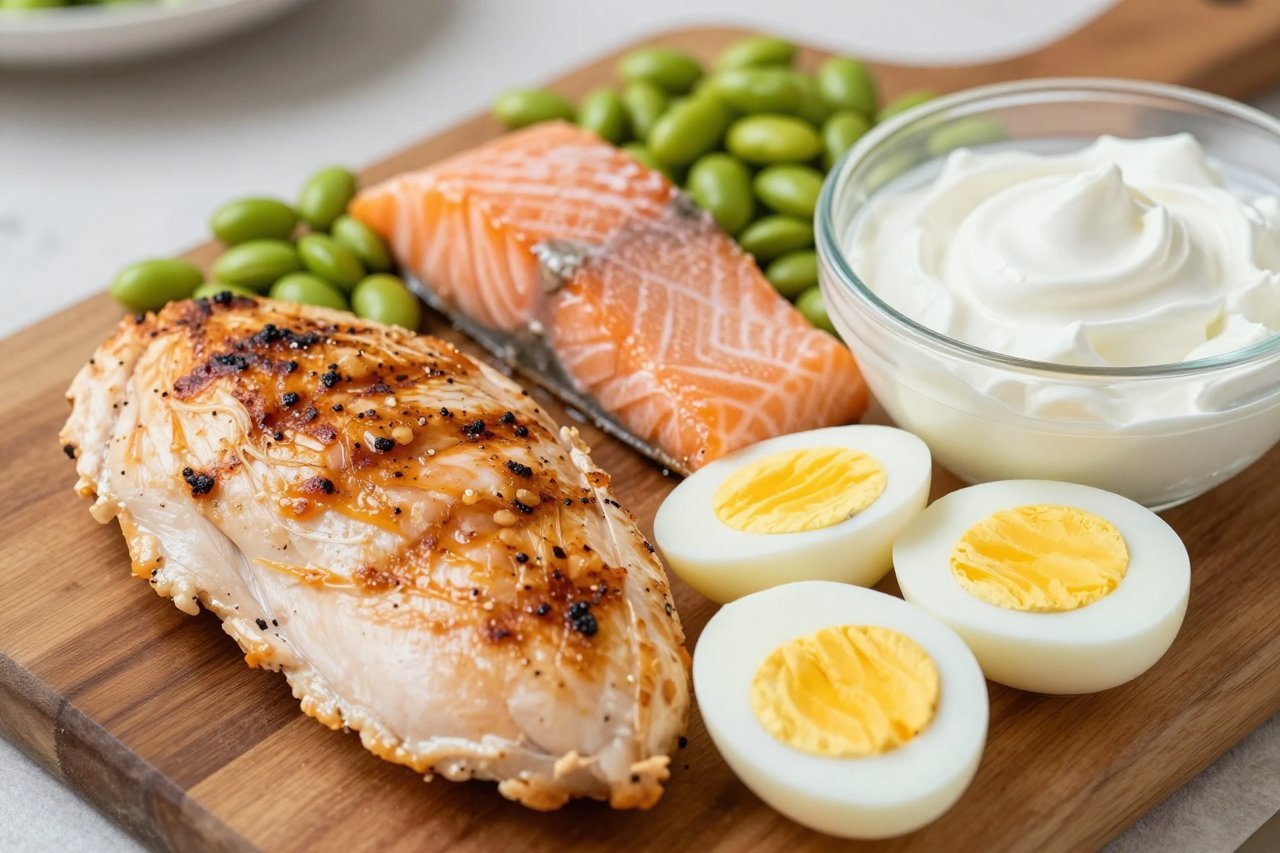
A 3.5-ounce (100g) skinless chicken breast packs about 31 grams of protein and only 165 calories. It’s incredibly versatile—grill it for salads, bake it for meal prep, or shred it into soups. To keep it low fat, avoid frying or heavy sauces. A simple marinade of lemon, garlic, and herbs adds flavor without sabotaging your goals.

Turkey Breast
Ground turkey (93% lean) provides 22 grams of protein per 3.5 ounces with less saturated fat than beef. Use it in chili, lettuce wraps, or turkey burgers. Look for “ground turkey breast” for the leanest option, and season generously with spices like cumin, paprika, or oregano.
Lean Beef (Sirloin, Tenderloin)
Beef often gets a bad rap, but lean cuts like sirloin or tenderloin offer 26 grams of protein per 3.5 ounces with only 5 grams of fat. Red meat is also rich in iron, zinc, and B vitamins. Opt for grass-fed when possible for a better fatty acid profile. A 4-ounce portion fits nicely into a stir-fry or alongside roasted vegetables.
Fish and Seafood
Salmon
Salmon is a fatty fish, but the omega-3s provide anti-inflammatory benefits that support weight loss. A 3.5-ounce serving delivers 22 grams of protein and about 200 calories. Wild-caught salmon has a slightly higher protein-to-fat ratio than farmed. Pair it with asparagus or a spinach salad for a satisfying meal.
Tuna (Canned in Water)
Canned tuna is one of the most convenient high protein foods. A 5-ounce can (drained) contains about 25 grams of protein and only 100 calories. Mix it with Greek yogurt instead of mayo for extra protein and fewer calories. Use it in salads, stuffed peppers, or on rice cakes.
Shrimp
Shrimp are surprisingly low in calories—3.5 ounces provide 20 grams of protein and just 84 calories. They cook in minutes, making them perfect for quick dinners. Toss them with zucchini noodles and pesto or add to a vegetable stir-fry.
Eggs and Dairy
Eggs
One large egg has 6 grams of protein and only 70 calories. The yolk contains most of the vitamins, including choline, which supports metabolism. Contrary to old fears, dietary cholesterol in eggs doesn’t raise blood cholesterol for most people. Eat them boiled, poached, or scrambled with vegetables for a filling breakfast.
Greek Yogurt (Plain, Nonfat)
Greek yogurt is a protein powerhouse. A 6-ounce serving provides about 17 grams of protein and 100 calories. Look for brands with no added sugar—plain is best. Use it as a base for smoothies, a topping for berries, or a substitute for sour cream.
Cottage Cheese (Low-Fat)
A half-cup of low-fat cottage cheese has 14 grams of protein and 90 calories. It’s rich in casein protein, which digests slowly and keeps you full for hours. Enjoy it with pineapple, cinnamon, or black pepper, or blend it into a creamy pasta sauce.
Plant-Based Proteins
Lentils
Cooked lentils deliver 18 grams of protein per cup, plus 15 grams of fiber. The combination of protein and fiber makes them exceptionally satiating. Use them in soups, curries, or as a meat substitute in tacos. They’re also cheap and cook in about 20 minutes.
Chickpeas
One cup of cooked chickpeas has 15 grams of protein and 13 grams of fiber. Roast them with spices for a crunchy snack, mash them for hummus, or toss them into salads. Canned chickpeas are fine—just rinse them to reduce sodium.
Edamame
Edamame (young soybeans) provide 17 grams of protein per cup (shelled). They’re also a good source of folate and vitamin K. Steam them and sprinkle with sea salt for a simple snack, or add to grain bowls and stir-fries.
Tofu and Tempeh
Firm tofu offers 10 grams of protein per 3.5 ounces, while tempeh packs 19 grams. Tofu absorbs marinades well, making it great for stir-fries or scrambles. Tempeh has a nutty flavor and firmer texture—slice it thin and pan-sear for sandwiches.
Protein Powders and Bars
Whey Protein
Whey protein isolate is a complete, fast-digesting protein. One scoop (about 30g) provides 25 grams of protein and 100-120 calories. Mix it with water or unsweetened almond milk for a post-workout shake, or blend it into oatmeal or pancakes. Choose brands with minimal ingredients and no artificial sweeteners if possible.
Collagen Peptides
Collagen is not a complete protein (lacks tryptophan), but it’s still useful. One scoop has 10 grams of protein and supports skin and joint health. It dissolves easily in hot or cold liquids, so you can stir it into coffee, tea, or soup without changing the taste.
Protein Bars (Low Sugar)
For on-the-go convenience, look for bars with at least 15 grams of protein, under 5 grams of sugar, and around 200 calories. Read labels carefully—many are glorified candy bars. Good options include RXBAR, Quest, and KIND Protein.
High Protein Snack Ideas
- Apple slices with 2 tablespoons peanut butter (8g protein)
- Beef jerky (one ounce: 12g protein, 80 calories)
- 1 cup edamame in pods (17g protein)
- String cheese stick (8g protein) + a handful of almonds (6g protein)
- Protein smoothie: 1 scoop whey + 1 cup unsweetened almond milk + ½ banana + spinach (30g protein)
How Much Protein Do You Need for Weight Loss?
The general recommendation for weight loss is 1.6 to 2.2 grams of protein per kilogram of body weight (or 0.73 to 1 gram per pound). For a 150-pound (68 kg) person, that’s roughly 110-150 grams of protein per day. Spread it across 3-4 meals and snacks to maximize satiety and muscle protein synthesis.
If you’re unsure where to start, aim for 25-30 grams of protein at each meal. For example: 4 ounces of chicken (31g), a cup of Greek yogurt (17g), or a scoop of protein powder (25g). Adjust based on your total calorie target and activity level.
Practical Tips for Sticking to High Protein Eating
- Prep protein sources in bulk: grill chicken breasts, hard-boil eggs, cook lentils on Sunday.
- Keep canned tuna, beans, and protein powder in your pantry for quick meals.
- When eating out, order grilled proteins and ask for double vegetables instead of rice or fries.
- Use a food scale for a week to learn what 4 ounces of meat or 1 cup of legumes actually looks like.
- Don’t forget to drink water—high protein diets increase fluid needs.
Protein isn’t magic, but it’s the closest thing to a dietary shortcut for weight loss. By choosing these high protein foods and incorporating them strategically, you’ll feel fuller, burn more calories, and preserve the muscle that keeps your metabolism humming. Start with one or two swaps—like replacing your morning cereal with eggs or adding a scoop of protein to your afternoon coffee—and build from there.


