
Table of Contents
Gout hits without warning. One night you’re fine, and by 3 a.m. you’re awake with a big toe that feels like it’s been set on fire. The joint is hot, red, and so sensitive that even the weight of a bedsheet hurts. This is an acute gout flare, and it’s the reason most people finally come looking for treatment.
The good news is that gout is one of the most manageable forms of arthritis. Once you understand the difference between stopping an attack and preventing the next one, you can take back control. This guide walks you through the treatment options that actually work, the lifestyle changes that matter, and the mistakes to avoid.
The Two Phases of Gout Treatment
Gout treatment has two distinct goals: ending the current flare quickly and lowering uric acid levels so that flares never happen again. Both matter, but they require different approaches.
Treating an Acute Flare
The moment a flare starts, time is your most valuable tool. Medications work best when taken within the first 24 hours. Here’s what your doctor might prescribe:

- NSAIDs: Ibuprofen (Advil) or naproxen (Aleve) can knock down inflammation. Indomethacin is a stronger prescription option but has more side effects.
- Colchicine: This old standby works best within 12 hours of symptom onset. A typical loading dose is 1.2 mg, followed by 0.6 mg one hour later, then once or twice daily until the flare resolves.
- Corticosteroids: For severe flares or when you can’t tolerate NSAIDs or colchicine, prednisone taken orally or a steroid injection into the joint can stop the attack quickly.
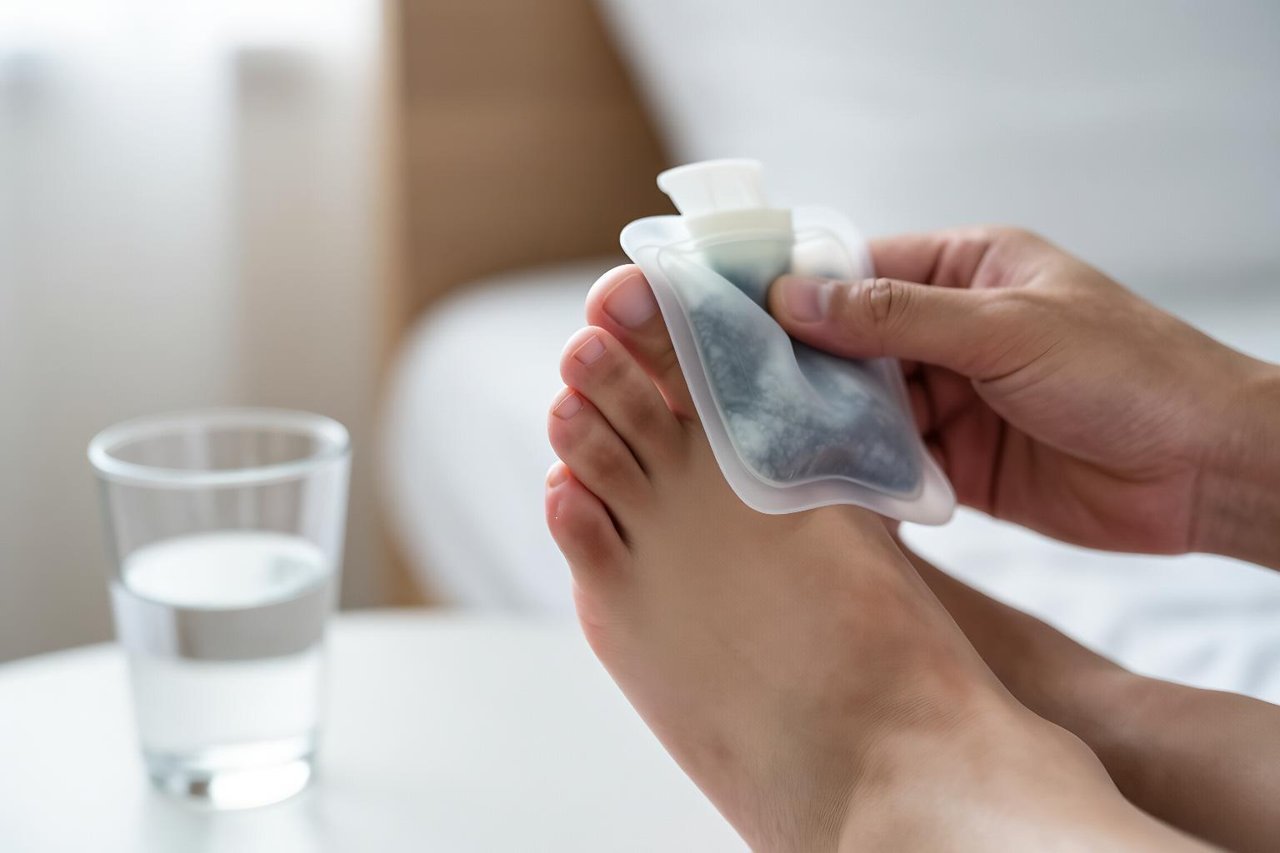
While your medication does the heavy lifting, ice the joint for 20 minutes at a time and elevate your foot. Aspirin is best avoided during a flare because it can cause uric acid levels to fluctuate.
Preventing Future Flares with Long-Term Management
Stopping a flare isn’t the same as treating gout. After the pain subsides, most people need to address the underlying cause: serum uric acid levels above 6.8 mg/dL, the point at which crystals form in joints and tissues. That’s where longer-term gout treatment comes in, including urate-lowering medication and lifestyle changes.
The Medications That Lower Uric Acid Long-Term
For individuals with frequent flares, tophi (visible crystal deposits), or joint damage, urate-lowering therapy (ULT) is the gold standard. The goal is to get uric acid well below the saturation point. For most people, the target is under 6 mg/dL; for those with widespread tophi, some rheumatologists aim for under 5 mg/dL to speed crystal dissolution.
Allopurinol is the most common first-line drug. Most people start at 100 mg per day and gradually increase until they hit their target. Research shows that allopurinol reduces flare rates by more than half within six months. The other major option, febuxostat, is a non-purine inhibitor often used when allopurinol isn’t tolerated.
There’s also probenecid, which helps the kidneys remove uric acid, and pegloticase for severe, treatment-resistant gout. Starting ULT can paradoxically increase flares in the early months, so doctors usually prescribe low-dose colchicine or NSAIDs for the first three to six months. Don’t skip this. It’s what keeps you from abandoning treatment just when it starts to work.
Diet, Alcohol, and Hydration: What Actually Makes a Difference?
You’ve heard you should give up steak and beer. Those do matter, but the full picture is more nuanced. Diet alone typically lowers uric acid by only 10–15%. That’s useful when combined with medication, but rarely enough by itself.
Certain choices, though, can either trigger flares or protect you. Here’s a practical list:
- Drink water consistently. Aim for 2–3 liters a day to keep urine dilute and uric acid excretion running smoothly.
- Skip sugary drinks. High-fructose corn syrup is particularly bad: fructose directly raises uric acid.
- Limit alcohol, especially beer. Beer has both alcohol and purines, making it a double trigger.
- Watch your portions of purine-heavy animal foods. Red meat, organ meats, anchovies, and shellfish don’t need to disappear, but smaller, less frequent servings help.
- Include protective foods. Low-fat dairy, cherries, coffee, and foods rich in vitamin C have all shown mild benefits in observational studies.
Gout is closely tied to metabolic health, and many people with recurring flares also deal with weight gain, insulin resistance, or high cholesterol. If that sounds like you, the strategies in this metabolic syndrome treatment guide can help you address the root issues.
One caution: crash dieting and rapid weight loss can spike uric acid temporarily. Aim for a slow, steady loss of 1–2 pounds per week.
The Comorbidity Connection: Gout Isn’t Just a Foot Problem
Gout rarely travels alone. Up to 74% of people with gout also have high blood pressure, and the two conditions share common pathways: inflammation, obesity, and impaired kidney function. Blood pressure medication matters too. Some diuretics like hydrochlorothiazide raise uric acid, while losartan actually has a mild urate-lowering effect. Talk to your doctor about choosing the right one.
Chronic inflammation from gout also damages blood vessels and increases cardiovascular risk. If you’re already managing hypertension, this hypertension treatment and prevention guide provides actionable advice.
Gout vs. Other Types of Arthritis: Getting the Diagnosis Right
Before starting any gout treatment, you need a precise diagnosis. Gout is frequently confused with other joint conditions, because an acute flare looks a lot like a joint infection. The gold standard is joint aspiration, where a doctor pulls out fluid and examines it under a microscope for uric acid crystals. Ultrasound and dual-energy CT can also aid the diagnosis.
You might assume that any toe pain or joint ache is osteoarthritis, but the two differ fundamentally. Osteoarthritis is wear-and-tear on cartilage; gout is metabolic. This detailed breakdown of osteoarthritis treatment explains the main differences. If you’ve been told you have “rheumatism,” check this guide to rheumatism treatment, prevention, and diet to see how specific conditions are handled.
Your Long-Term Gout Plan: Monitor, Adjust, and Stay Consistent
Gout is a chronic disease, not a one-off event. The people who succeed are the ones who regularly measure their serum uric acid, take their medication consistently, and track what triggers their flares. Know your uric acid number (ideally below 6 mg/dL) the same way you know your blood pressure.
Work with a rheumatologist or experienced internist to adjust your medication dose every few months. Kidney and liver function should be checked if you’re on ULT. And don’t stop your drug just because you feel fine; crystals dissolve slowly, and stopping early means they can re-form.
If you’re newly diagnosed, you’ll find a broader perspective in this complete guide to gout causes, treatment, and prevention. With the right combination of medication, diet, and attention to comorbidities, many people go years without a single flare.


