
Table of Contents
Varicose veins are more than a cosmetic concern—they can cause aching, swelling, and even skin changes. Affecting nearly 23% of adults in the US, these twisted, enlarged veins often appear on the legs. The good news? Treatment options have advanced significantly, offering relief for most people. Whether you’re just starting to notice spider veins or dealing with uncomfortable bulging veins, understanding your choices is the first step toward healthier legs.
What Exactly Are Varicose Veins?
Varicose veins develop when the one-way valves in your veins weaken or fail. Blood pools rather than flowing back to the heart, causing veins to stretch and bulge. While any vein can become varicose, the legs are most vulnerable because standing and walking increase pressure in the lower body.
Common symptoms include:
- Aching or heaviness in the legs, especially after prolonged standing
- Swelling around the ankles and feet
- Itching or burning over the vein
- Restless legs at night
- Skin discoloration or hardening near the ankle
Risk factors include genetics, age, pregnancy, obesity, and occupations that require long periods of standing. If you’re pregnant, managing pregnancy-related symptoms can also help reduce vein strain.

Lifestyle Changes for Managing Varicose Veins
Before considering medical procedures, many people benefit from simple lifestyle tweaks. These strategies won’t make existing veins disappear, but they can relieve symptoms and prevent worsening.
Exercise Regularly
Walking, swimming, and cycling improve circulation in your legs. Aim for 30 minutes most days. Calf raises at your desk can also pump blood out of your lower legs.
Elevate Your Legs
Prop your legs above heart level for 15 minutes several times a day. This helps gravity drain pooled blood. Even sleeping with your legs elevated on a pillow makes a difference.
Wear Compression Stockings
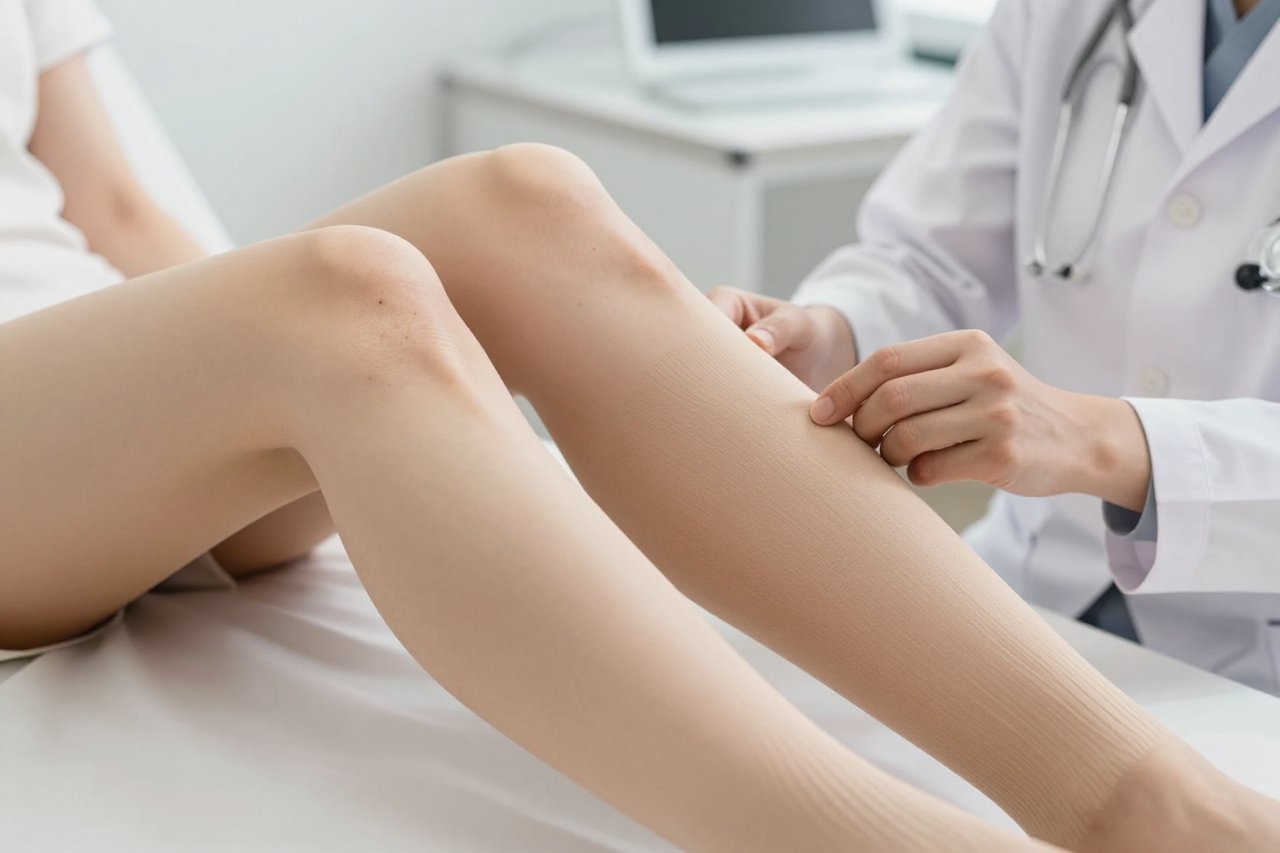
Graduated compression stockings apply the most pressure at the ankle and decrease upward. They improve blood flow and reduce swelling. You can buy them over the counter or get a prescription for medical-grade stockings that deliver 20–30 mmHg or more.
For a broader look at managing vein issues, check out our full guide on varicose veins treatment and prevention.
Medical Treatments for Varicose Veins
When lifestyle changes aren’t enough, several in-office procedures can eliminate or close off problem veins. Most are minimally invasive and done under local anesthesia.
Sclerotherapy
A liquid or foam solution is injected directly into the vein. The solution irritates the vein lining, causing it to collapse and eventually fade. Sclerotherapy works best for spider veins and smaller varicose veins. Multiple sessions may be needed, and you’ll wear compression stockings afterward.
Endovenous Laser Therapy (EVLT)
A thin laser fiber is inserted into the vein through a small incision. Laser energy heats and seals the vein closed. Blood then reroutes through healthier veins. EVLT is highly effective for larger veins and has a quick recovery.
Radiofrequency Ablation (RFA)
Similar to laser, RFA uses radiofrequency energy to heat and close the vein. A catheter delivers the energy precisely. Studies show RFA and EVLT have comparable success rates—around 95%—with minimal bruising and pain.
Ambulatory Phlebectomy
For bulging veins near the surface, the doctor makes tiny punctures and hooks out the vein segment. The procedure leaves minimal scarring and can be done in under an hour.
Surgical Options
In severe cases, surgery may be recommended. Vein stripping and ligation involve tying off the vein and removing it through small incisions. This is done under general anesthesia and requires longer recovery. However, with modern minimally invasive techniques, surgery is now reserved for complex cases.
What to Expect During Recovery
Most people resume normal activities within a day or two after EVLT or RFA. You’ll need to wear compression stockings for one to two weeks and avoid heavy lifting or prolonged standing for a short period. Side effects like bruising, swelling, or a pulling sensation are common but resolve quickly. Walking is encouraged to prevent blood clots.
It’s worth noting that varicose veins can also appear in other areas, such as the rectum, resulting in hemorrhoids. If that’s a concern, you can explore hemorrhoids treatment strategies for relief.
Preventing Varicose Veins from Getting Worse
Even after successful treatment, new varicose veins can develop. To minimize your risk, maintain a healthy weight, avoid crossing your legs when sitting, and take breaks to walk around if you sit or stand for long periods. Exercising your calf muscles—even simple foot pumps while seated—keeps blood moving. Compression stockings aren’t just for post-treatment; wearing them during long flights or shifts can help.
A balanced diet rich in fiber and low in salt also supports vein health by reducing constipation (which increases abdominal pressure) and preventing fluid retention. Consider adding foods high in flavonoids, like berries and dark chocolate, which may strengthen vein walls.
For more detailed advice on slowing vein progression, revisit our comprehensive treatment and prevention guide.


