
Table of Contents
If you’ve ever passed a kidney stone, you know the pain is something you never want to experience again. If you haven’t, you’ve likely heard the stories: waves of cramping that hit the lower back and groin, nausea, and a desperate urge to find a position that makes it stop. The good news? Kidney stones treatment has come a long way. In many cases, you can manage a stone at home with pain relief and hydration. In others, a quick outpatient procedure can break up or remove the stone with minimal downtime.
But which treatment is right for you? The answer depends on the stone’s size, location, composition, and whether it’s blocking urine flow. Let’s walk through the options, what to expect, and how to avoid a sequel.
What kidney stones actually are
Stones are hardened deposits of minerals and salts that form inside your urinary tract. Most are calcium oxalate, but there are also uric acid, struvite, and cystine stones. They can be as small as a grain of sand or as large as a golf ball. Small ones may pass unnoticed, but anything larger than a few millimetres can get stuck in the ureter—the tube connecting your kidney to your bladder—and that’s when the real pain begins.
Certain habits and conditions make stones more likely. Chronic dehydration is the biggest one. A diet high in sodium and animal protein, metabolic disorders, and obesity also raise your risk. In fact, carrying extra weight changes the acidity of urine and can promote uric acid stones. If you’re looking to lower your risk, addressing weight is a good place to start—our obesity treatment and weight loss program offers a structured approach that goes beyond fad diets.

Symptoms that should send you to a doctor
Not every stone causes symptoms. Some are found incidentally on an x-ray for an unrelated issue. But when a stone moves, these warning signs are hard to miss:
- Severe, sharp pain in the side, back, or lower abdomen
- Pain that comes in waves and fluctuates in intensity
- A burning sensation while urinating or blood in the urine
- Nausea, vomiting, or a frequent urge to urinate
- Fever and chills, which may signal an accompanying infection
Fever is a red flag. It can indicate a urinary tract infection that has spread into the kidney. If that happens, you need urgent antibiotics—don’t wait. A urinary tract infection can be treated on its own, but kidney stones can make it harder to clear. To understand the difference, look at our guide on urinary tract infection (UTI) treatment and prevention.
First steps: diagnosis and imaging
You can’t choose a treatment without knowing the stone’s size and location. Most emergency departments use a non-contrast CT scan, which can identify almost any stone, no matter how small. X-rays and ultrasound are also options, especially for follow-up monitoring. Your doctor will likely order a urine test to rule out infection and a blood test to check kidney function.
If you’ve had a stone and passed it, save it if you can. A stone analysis can reveal the composition, and that information is crucial for tailoring a prevention plan.
Treatment options for kidney stones
1. Conservative management: time and pain relief
For stones smaller than 5 mm, there’s a good chance you’ll pass it on your own within a few weeks. The priority is pain control. Non-steroidal anti-inflammatory drugs like ibuprofen or naproxen are first-line because they reduce inflammation in the ureter as well as easing the cramping. Your doctor may also prescribe something stronger for the worst attacks.
2. Medical expulsive therapy (MET)
To help a stubborn stone move along, urologists often prescribe alpha-blockers such as tamsulosin (Flomax). These drugs relax the muscles in the ureter, widening the passage just enough for the stone to slip through. Studies show that MET can increase the chances of passing a stone by 30–50% and shorten the time it takes. You’ll still need to drink plenty of water to keep urine flowing.
3. Shock wave lithotripsy (SWL)
If a stone is too large to pass naturally—usually 5 to 20 mm—shock wave lithotripsy is the least invasive option. It uses focused acoustic pulses to shatter the stone into fragments that you can then pass in your urine. The procedure takes about 45 minutes and is done under sedation or general anaesthesia. You’ll feel some bruising in the flank area for a few days, and you’ll probably pass small broken fragments with some stinging. Success rates are high for stones in the kidney and upper ureter, but lower for hard stones like cystine or those in the lower ureter.
4. Ureteroscopy with laser fragmentation
For stones in the lower ureter or that are resistant to SWL, ureteroscopy is the go-to. Your doctor passes a thin, flexible scope through the urethra and bladder up into the ureter, then uses a laser to break the stone into dust. It’s highly effective, with success rates above 90%. The biggest advantage is that the surgeon can often see and remove the stone completely in one session. It requires general anaesthesia, but there’s usually no incision—just some temporary stent placement to keep the ureter open afterward.
5. Percutaneous nephrolithotomy (PCNL)
For very large stones—greater than 20 mm—or complex staghorn stones that fill the kidney, PCNL is the gold standard. The surgeon makes a tiny incision in the back, directly into the kidney, and uses a nephroscope to break up and suction out the stone. It’s a more invasive procedure than SWL or ureteroscopy, with a longer hospital stay and recovery period, but it offers the best chance of clearing a large stone in a single operation. If left in place, those big stones can cause recurrent infections and kidney damage.
What if a stone is blocking urine flow?
Sometimes a stone doesn’t just hurt; it completely blocks the ureter. That’s a urological emergency. Urine backs up into the kidney, causing hydronephrosis (kidney swelling), and if pressure persists, it can permanently damage kidney function. In these cases, doctors may place a temporary stent or a percutaneous tube to drain the kidney before or instead of removing the stone. It’s not a substitute for stone removal, but it stabilises you and relieves the worst pain.
The link between stones and kidney infections
Struvite stones, in particular, form in the presence of untreated urinary tract infections. But any stone can become colonised by bacteria, leading to a serious kidney infection called pyelonephritis. Symptoms include fever, chills, and tenderness over the kidney. If you’re experiencing these, you need antibiotics quickly, and the stone itself must be dealt with—otherwise, the bacteria hide in the stone and the infection keeps coming back. Our guide on kidney infection causes, symptoms and treatment covers the signs to watch for in more detail.
It’s worth knowing that interstitial cystitis and bladder pain syndrome can produce similar symptoms, but they’re a completely different condition. Many people confuse the two. If you’ve been told you have recurrent “infections” but urine tests come back clear, it may be something else entirely—you can read about interstitial cystitis treatment and diet to compare.
Preventing a repeat episode
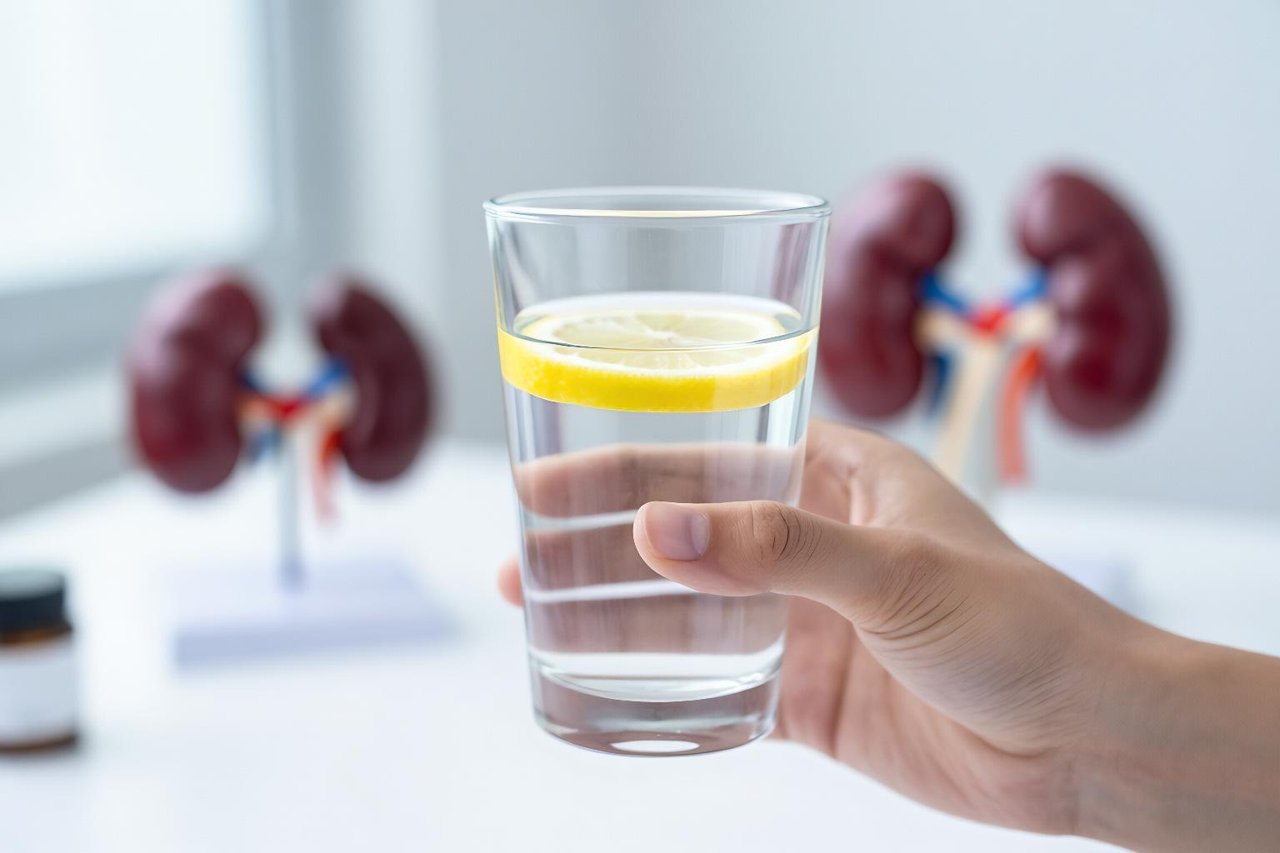
Once you’ve had a stone, your chance of another one within five years is up to 50%. The single most effective prevention step is drinking enough water to produce 2 to 2.5 litres of urine per day. That sounds like a lot, but it’s about eight glasses of fluids. Lemonade or water with lemon is especially helpful—citrate binds to calcium and helps prevent stones.
If your stone was analysed and found to be calcium oxalate, limit foods high in oxalate like spinach, rhubarb, and almonds, but don’t cut calcium from your diet. Dairy calcium actually binds to oxalate in the gut, preventing it from entering the urine. For uric acid stones, reducing red meat and shellfish helps. In some cases, medications like potassium citrate or a thiazide diuretic can reduce stone recurrence when lifestyle changes aren’t enough. A full prevention strategy requires a personalised plan, so it’s worth digging into a detailed resource on the topic. Our article on kidney stone treatment, prevention and diet breaks down the specifics of diet and supplement choices based on stone type.
Finally, if you’ve been sedentary or obese, losing weight can significantly lower your risk. High body mass index is linked to both uric acid and calcium oxalate stones. The good news is that you don’t need to become a marathon runner—even a 5–10% reduction in weight has measurable benefits.


