
Table of Contents
Protein is the building block of muscle, skin, and hormones, and getting enough of it doesn’t have to mean blending chalky shakes. Whole foods are the most satisfying way to hit your daily target – and some pack a surprisingly dense punch. Whether you’re training hard or just trying to stay fuller longer, these seven foods deliver more protein per bite than almost anything else in the grocery store.
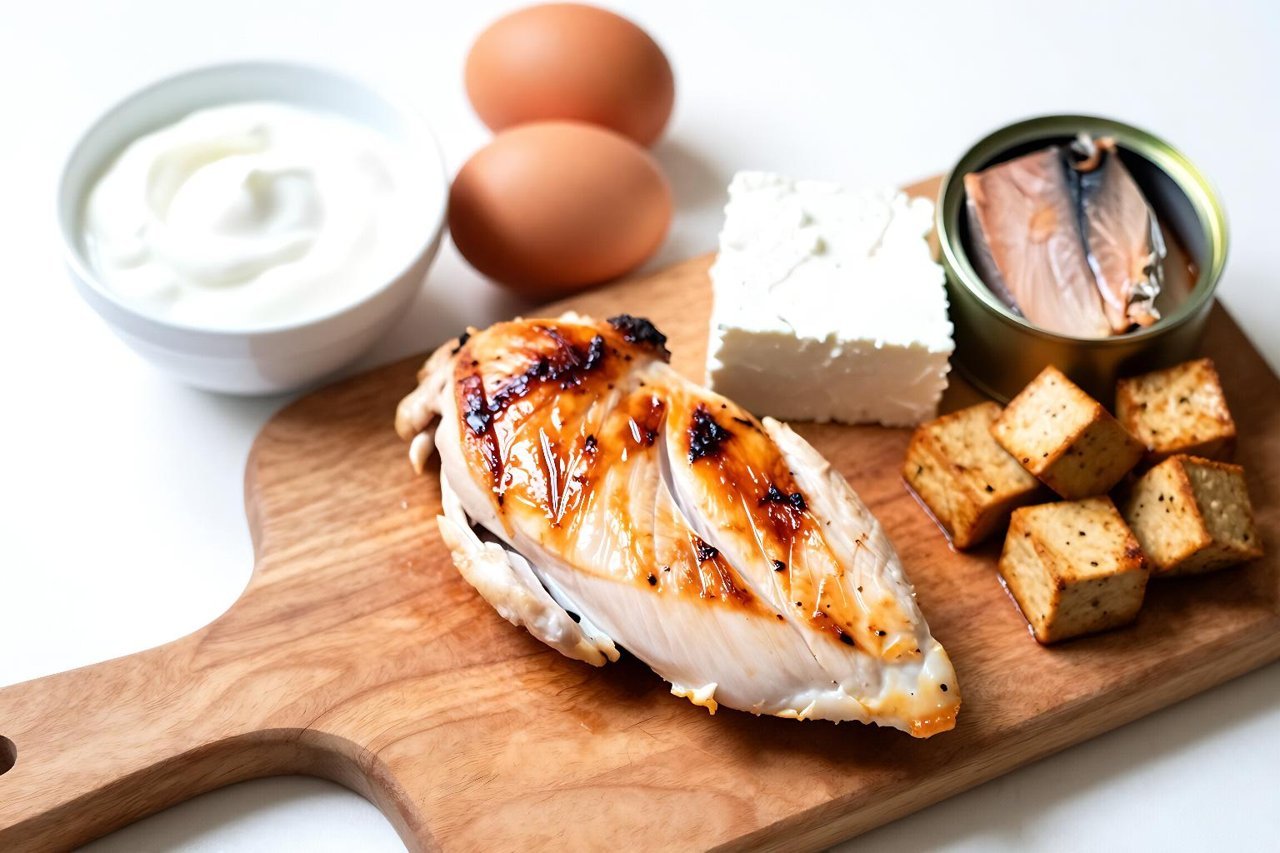
Below is a quick snapshot of the grams each one offers. Then we’ll dig into why they’re so good and how to eat them regularly.
- Chicken breast: 31g protein per 100g cooked
- Eggs: 6g per large egg (or 13g per three eggs)
- Greek yogurt: 15–20g per 170g serving
- Cottage cheese: 11–12g per 100g
- Tuna: 25–30g per 100g (canned in water)
- Lean beef: 26g per 100g cooked
- Tempeh: 20g per 100g (tofu: 8–12g)
Chicken Breast: The Lean Powerhouse
Skinless chicken breast is the default go-to for a reason. A cooked 100g portion delivers around 31g of protein with only about 165 calories. It’s also incredibly versatile: you can grill it, bake it, shred it, or stir-fry it. Because it’s so lean, it pairs well with almost any seasoning or sauce without overwhelming the dish.
If your goal is staying full and fueled, chicken’s high protein content and negligible fat make it a top pick. For a broader look at how protein affects appetite, check out the top 7 highest protein foods to keep you full and fueled. But know that a simple roasted chicken breast can be the centerpiece of a low-effort, high-reward meal.

How to Make It More Interesting
Slice it thin and marinate in lemon, garlic, and olive oil before cooking. That keeps the meat juicy and gives you a quick protein boost without a lot of fuss.
Eggs: More Than Just a Breakfast Staple
Each large egg provides 6g of high-quality protein, meaning a three-egg omelette easily gives you 18g. Unlike plant proteins, eggs contain all nine essential amino acids in the right proportions. They’re also one of the few foods naturally rich in vitamin D, which supports muscle function and bone health.
Hard-boiled eggs make a portable snack, but scrambled or baked eggs work for any meal. Prep a batch of egg muffins with spinach and bell peppers on Sunday, and you’ve got protein-packed breakfasts ready all week.
Greek Yogurt: Thick, Creamy, and Protein-Dense
Greek yogurt goes through a straining process that removes extra whey, leaving a thicker product with nearly double the protein of regular yogurt. A typical 170g container of plain, non-fat Greek yogurt packs 15–20g of protein, usually with just 5–8g of carbs.
The key is to buy plain and add your own toppings. Mix in berries and a sprinkle of granola for texture, or stir in salt and olive oil for a savory dip. Plain Greek yogurt also works as a base for smoothies, salad dressings, and even baked goods.
Cottage Cheese: The Underrated Casein Snack
Cottage cheese has been around forever, but it’s finally getting the attention it deserves. A 100g serving of low-fat cottage cheese delivers 11–12g of protein, and because it’s a casein protein, your body digests it slowly. That makes it a great choice before bed or between meals when you want a steady supply of amino acids.
Use it as a filling snack with black pepper and olive oil, blend it into a creamy pasta sauce, or spoon it over sliced peaches for a sweet-savory combo that tastes like dessert.
Tuna: The Pantry Staple That Overdelivers
Canned light tuna in water is one of the most economical high-protein foods you can buy. A 100g drained serving yields 25–30g of protein, with almost no fat. It’s also rich in selenium and B vitamins. Just rotate in some oily fish like salmon on other days to balance your omega-3 intake.
Speaking of omega-3s, fish like salmon and sardines are also fantastic for cardiovascular health. They regularly show up on lists like the 7 best foods for heart health: a science-backed grocery guide, and swapping a tuna melt for a simple ginger-soy salmon fillet is a smart move.
Lean Beef: Not Just Steak
Beef gets a bad rap, but lean cuts like sirloin, tenderloin, and 93% lean ground beef deliver about 26g of protein per 100g cooked. It also supplies absorbable iron, zinc, and complete protein with creatine, which supports strength training. The key is portion control and choosing cuts that don’t push you into too much saturated fat.
Cooking a pan-seared steak or browning ground beef for tacos is straightforward, but don’t overlook beef jerky as a shelf-stable high-protein snack. Just look for lower-sodium options without added sugar.
Tofu and Tempeh: Plant-Based Heavyweights
Tempeh is a fermented soybean cake that packs around 20g of protein per 100g, while extra-firm tofu delivers 8–12g. Tempeh’s fermentation also makes its minerals more absorbable and adds a subtle nutty flavor. Crumbled tempeh works well as a ground-meat substitute in chili or pasta sauce, and tofu shines when pressed, cubed, and roasted until crispy.
Regularly eating plant protein is linked to a longer healthspan, partly because it often comes with fiber and antioxidants. Our collection of top 7 foods for longevity includes several plant-forward options that pair beautifully with these protein sources.
For a quick dinner, toss cubed extra-firm tofu with tamari, sesame oil, and cornstarch, then bake at 400°F until golden. Serve over rice and broccoli for a balanced plate with roughly 25g of protein.


