
Table of Contents
Every shelf in the supplement aisle seems to have a different collagen formula these days. Some promise glowing skin, others focus on joint pain, and a few just taste like strawberry-water instead of their advertised vanilla.
The truth is, the “best collagen supplement” isn’t one single jar. It’s the one that fits your goals, your lifestyle, and your body’s needs. That doesn’t mean you can throw a dart at a shelf full of powders and get lucky. A few specific variables separate a genuinely useful product from an expensive tub of marketing.
Why the Right Collagen Supplement Runs on a Few Key Variables
Collagen Type I, II, and III: Not All Collagen Is Interchangeable
Collagen is a protein family, not one single thing. Type I is the most abundant and supports skin, hair, nails and bones. Type II is the main collagen in cartilage, which is why it often appears in joint-focused supplements. Type III works with Type I for skin and blood vessels.
If you have a general goal like firmer skin or healthier nails, a product with Types I and III will do most of the work. If you’re dealing with an achy knee or an arthritis diagnosis, look for a formulation that specifically calls out Type II.

Source: Marine, Bovine, or Poultry
Marine collagen comes from fish scales and skin. It’s typically higher in Type I and is absorbed well, but it also tends to smell fishy unless the brand hides it with heavy flavouring. Bovine collagen comes from cattle hides and is usually a mix of Types I and III. Chicken-derived collagen is rich in Type II and shows up in joint formulas.
There’s no universal “best” source. As long as it’s hydrolysed, grass-fed, pasture-raised or wild-caught, you’re likely getting a decent product. For people with allergies, marine collagen can be a problem, so read the label carefully.
The Importance of Hydrolysed or “Peptide” Collagen
Hydrolysed collagen has been broken down into small peptides, which makes it easier for the body to absorb. Every supplement worth taking should say “hydrolysed” or “collagen peptides” on the front. If it doesn’t, put it back.
What to Look for on the Back of the Label
Protein Per Serving
Collagen is a protein, so you want a meaningful dose. A typical serving provides 10 to 15 grams of peptides. Some products advertise “collagen” but actually have only 5 grams per scoop. That’s not enough for most clinical studies. Check the protein count on the nutrition label.
Ingredients You Can Recognise
The best collagen supplement won’t be a chemistry project. It should have collagen peptides, maybe a bit of flavour and a sweetener. If you see a long list of polysaccharides, maltodextrins, or mystery “proprietary blends”, you’re paying for fillers, not benefit.
Avoid the “Fairy Dust” Approach
Some brands add 10mg of hyaluronic acid, vitamin C, and a smattering of plant extracts, then double the price. That’s a strategy to make it feel high-tech. Many of these extras are beneficial (vitamin C helps collagen synthesis), but they shouldn’t be the star. Start with a clean collagen base, then add your own vitamin C or take it with a citrus drink.
Powder vs. Capsules vs. Liquid: Which Format Wins?
Here’s the quick version:
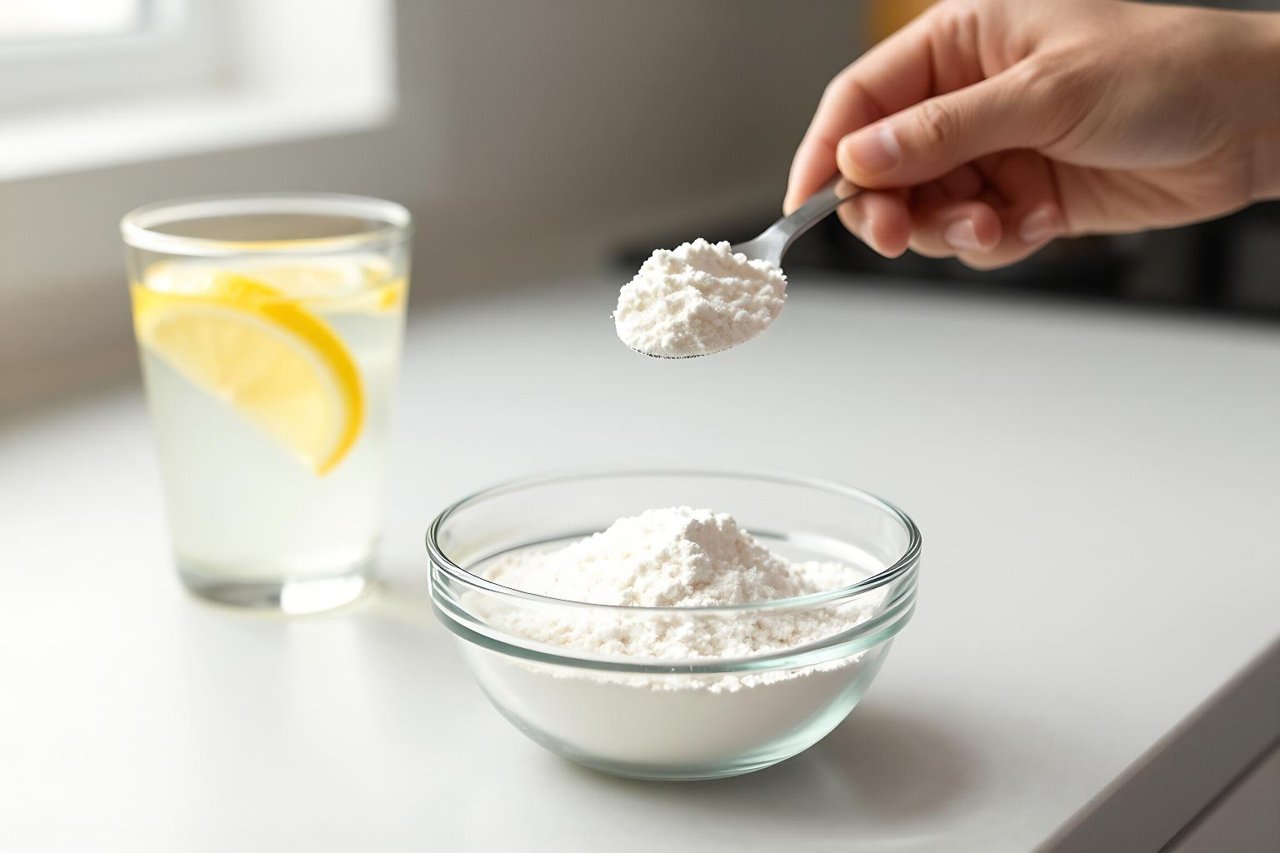
- Powders: Best for flexibility and dose. Mix into coffee, smoothies, or even soup. Usually the lowest cost per gram.
- Capsules: Convenient for travel, but you’d need to swallow a lot to hit 10g. Many capsules hold only 500mg, so you’d need 20 a day. Not practical.
- Liquid: Often the most expensive per gram and may contain preservatives. Quick to drink, but doses are usually small.
For most people, powders make the most sense. But if you know you won’t stick with a powder routine, capsules might still be better because consistency beats dose.
What Realistic Results Look Like
Skin, Nails, and Hair
Your body doesn’t immediately glow. Research on collagen supplements suggests that after eight to twelve weeks of consistent use, people notice an improvement in skin hydration and elasticity. It’s not a miracle wrinkle eraser, but it can help support your skin’s structure.
For hair, the evidence is more mixed. While some people report thicker hair, many studies are small or industry-funded. If your main goal is hair growth, it’s worth looking at other science-backed nutrients alongside collagen. We’ve covered the supplements for hair growth that actually perform. For anti-aging skin support, collagen’s results are more plausible, as explained in this breakdown of collagen supplements for skin health and anti aging.
Joints and Mobility
The more compelling evidence is for joint comfort. In a well-known study, physically active adults took 10g of collagen peptides daily and reported less joint pain during activity. It took around four to six weeks for the effect to appear. You won’t feel it on day one.
The Best Collagen Supplement Is the One You’ll Actually Take
When people ask which collagen is best, I give them three criteria. First, it should be a hydrolysed peptide formula with at least 10g per serving. Second, the ingredients list should be short and understandable. Third, and often the most important, it should be a format and flavour you don’t hate.
That last point isn’t a joke. The most expensive, ethically sourced, highest-quality collagen powder in the world will do nothing if it stays in your cupboard. Some people blend it into smoothies. Others need an unflavoured version because they commute and want to dump it into coffee. If you choose a marine collagen with a fishy aftertaste, you’re going to stop after four days.
The good news is that most reputable brands have become good at hiding flavour. If you want to step back and review your whole supplement shelf, we have a guide to the best supplements that actually work to help you avoid hype.
How to Tell If Your Collagen Supplement Is Working
Three to four weeks in, check for the small signs. Are your nails breaking as easily? Do your joints feel less creaky after a run? You don’t need to take selfies and measure wrinkles with a ruler. Just notice whether you’re saying “that was weird” after you crack a knuckle that used to hurt.
If you don’t see any changes after three months of daily use, consider a few other factors. Are you eating enough overall protein? If your diet is low in protein, some of the collagen you’re supplementing just gets used for basic maintenance. And are you getting enough vitamin C? It’s required for your body to form new collagen. A simple squeeze of lemon into your powder does wonders.
For some people, though, it’s not about the collagen itself. If you’re going through menopause, your collagen levels decline more rapidly due to estrogen loss. In that case, you might need to pair the supplement with a broader dietary approach. The best diet for menopausal symptom relief includes plenty of protein and vitamin D, both of which work with collagen.
There’s no harm in trying collagen for a few months, as long as you’ve chosen a clean product with a proper dose. Pick a good powder, consume it daily, and give it time. That’s the closest thing to a best collagen supplement there is.


