
Table of Contents
Menopause is a major transition that affects every system in your body. Hot flashes, weight gain, brain fog, and sleep disturbances often take centre stage, but what you eat can significantly influence how you feel. There is no single magic menopause diet, but decades of research point to certain eating patterns that ease symptoms and protect against age-related disease. This guide walks you through the evidence-based best diet for menopause, with practical steps you can start today.
Why Menopause Changes Your Nutritional Needs
During perimenopause and after menopause, oestrogen levels decline steadily. Oestrogen influences metabolism, insulin sensitivity, bone density, and body fat distribution. Lower oestrogen means your body stores more fat around the abdomen, loses muscle mass more easily, and becomes less efficient at using calcium. Your calorie needs drop by roughly 200–300 per day compared to your premenopausal years, yet your need for certain nutrients—like calcium, vitamin D, and protein—actually increases.
That’s why a generic healthy eating plan often falls short. The best diet for menopause specifically targets these hormonal shifts and compensates for what your body no longer produces in abundance.
Key Nutrients Every Menopausal Woman Needs
Protein: The Muscle Preserver
After 50, women lose about 1–2% of muscle mass per year if they don’t actively counteract it. Muscle burns more calories than fat, so preserving it helps manage weight. Aim for at least 1.2–1.5 grams of protein per kilogram of body weight daily. That’s roughly 90–110 grams for a 75 kg woman. Spread protein across three meals—breakfast, lunch, and dinner—rather than loading up at one sitting.

Calcium and Vitamin D: Bone Health Basics
Oestrogen helps bones absorb calcium. Without it, bone density drops fast, raising osteoporosis risk. The recommended daily intake jumps to 1,200 mg of calcium and 600–800 IU of vitamin D for women over 50. Dairy, fortified plant milks, leafy greens, and canned fish with bones are excellent sources. Vitamin D is hard to get from food alone; consider supplementation, especially if you live in a northern climate.
Omega-3 Fatty Acids: Cool Down Inflammation
Omega-3s help reduce hot flash frequency and intensity, support mood, and protect heart health. Fatty fish like salmon, mackerel, and sardines provide EPA and DHA. Plant sources like flaxseed and walnuts offer ALA, which your body converts inefficiently. Aim for two servings of fatty fish per week or a high-quality fish oil supplement.
Fibre: Gut and Heart Ally
Fibre lowers cholesterol, stabilises blood sugar, and keeps digestion regular—all common menopause complaints. Women over 50 need at least 21 grams of fibre daily. Whole grains, legumes, fruits, vegetables, and nuts are top choices. Soluble fibre from oats and psyllium also helps reduce oestrogen reabsorption, which may ease symptoms.
Foods to Eat and Avoid on a Menopause Diet
Emphasise These Foods
- Whole soy foods: Tofu, edamame, tempeh, and soy milk contain isoflavones, plant compounds that mildly mimic oestrogen. Studies show they can reduce hot flash frequency by 20–50% in some women. Stick to whole soy rather than heavily processed soy protein isolates.
- Leafy greens and cruciferous vegetables: Kale, spinach, broccoli, and Brussels sprouts supply calcium, magnesium, and compounds that support liver detoxification of used hormones.
- Berries and cherries: High in antioxidants that combat oxidative stress linked to ageing and hot flashes.
- Healthy fats: Avocado, olive oil, nuts, and seeds support hormone production and reduce inflammation.
- Lean animal proteins: Chicken, fish, eggs, and Greek yoghurt provide high-quality protein without excess saturated fat.
Limit or Avoid
- Sugar and refined carbs: Spike blood sugar, worsen hot flashes, and increase belly fat storage.
- Spicy foods: Common trigger for hot flashes in many women.
- Caffeine and alcohol: Both can disrupt sleep and trigger hot flashes. If you drink, limit to one serving early in the day.
- Processed meats and trans fats: Linked to inflammation and heart disease risk.
Meal Timing and Pattern: Does It Matter?
Emerging research suggests that time-restricted eating (e.g., eating within an 8–10 hour window) may improve insulin sensitivity and reduce hot flashes. However, drastic calorie restriction is not recommended during menopause because it accelerates muscle loss and can worsen bone density decline. Instead, focus on consistent meal timing with balanced portions.
Many women find that a high-protein breakfast (e.g., eggs with spinach and avocado) stabilises energy and reduces cravings later in the day. A lighter evening meal—finished at least three hours before bed—can improve sleep quality and night sweat severity.
Supplements That Support the Menopause Diet
Even with the best eating plan, some nutrients are hard to get in sufficient amounts from food alone. Here’s what research supports:
Calcium and Vitamin D
A no-brainer for bone health. Choose a supplement with calcium citrate (easier to absorb) and at least 800 IU of vitamin D3.
Collagen
Collagen supplements provide amino acids that support skin elasticity, joint health, and possibly bone density. A collagen food supplement may help offset the decline in natural collagen production after menopause. Look for hydrolysed collagen peptides, ideally with added vitamin C for absorption.
Red Clover
Red clover contains isoflavones that can reduce hot flashes and improve vaginal health. Clinical trials show modest benefits, but results vary. Read more about red clover benefits for men and women to see if it fits your needs.
Tribulus Terrestris
This herb is often used to support libido and energy, which can dip during menopause. While evidence is mixed, some women report improvements with Tribulus Terrestris extract.
Important: Always talk to your doctor before starting any supplement, especially if you take medications or have a history of hormone-sensitive conditions.
Putting It All Together: A Day on the Best Menopause Diet
Here’s what a sample day might look like:
- Breakfast: Greek yoghurt (plain) with berries, flaxseed, and a handful of walnuts. A side of scrambled eggs for extra protein.
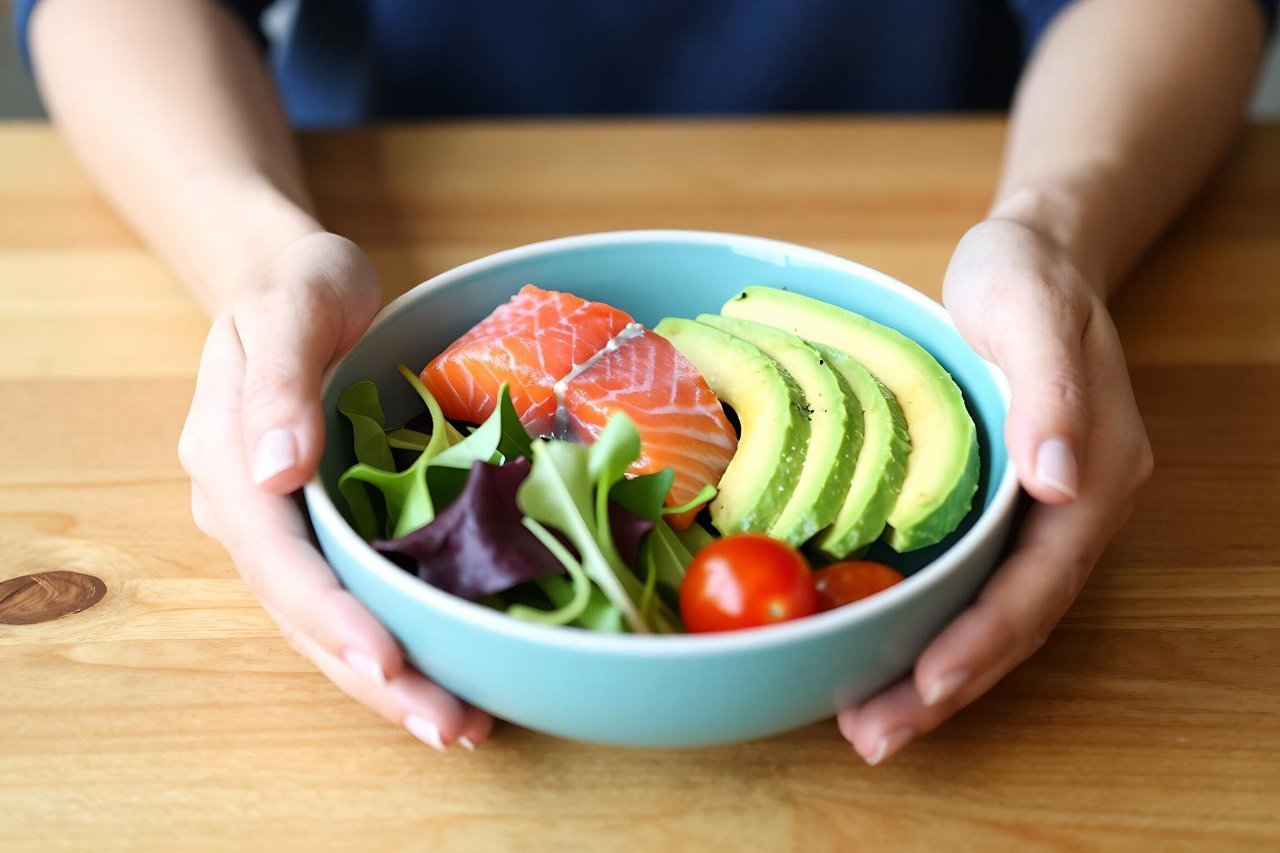
- Lunch: Large salad with mixed greens, grilled salmon, avocado, cherry tomatoes, cucumber, and a lemon-olive oil dressing.
- Snack: Apple slices with almond butter or a small handful of edamame.
- Dinner: Stir-fried tofu (or chicken) with broccoli, bell peppers, and snap peas, served over quinoa. Use ginger and garlic for flavour without spice.
- Bedtime: Herbal tea like chamomile or valerian root to promote sleep.
This plan provides roughly 1,800 calories, 100 grams of protein, 30 grams of fibre, and plenty of calcium and omega-3s—adjusted for your size and activity level.
Exercise: The Necessary Partner to Diet
No diet for menopause works effectively without movement. Resistance training (lifting weights, bodyweight exercises) is the most important type of exercise for preserving muscle and bone. Aim for two to three sessions per week. Cardiovascular exercise—brisk walking, cycling, swimming—improves heart health and mood. Even a 10-minute brisk walk after meals blunts blood sugar spikes.
Strive for 150 minutes of moderate exercise per week, plus two strength sessions. If you’re new to exercise, start with shorter sessions and gradually increase.
Your Menopause Diet Action Plan
Start with one or two changes rather than overhauling everything overnight. Swap refined grains for whole grains, add a serving of protein to breakfast, or include fatty fish twice a week. Track how you feel—many women notice fewer hot flashes, better sleep, and more stable energy within a few weeks.
The best diet for menopause isn’t about deprivation. It’s about nourishing your changing body with foods that protect your bones, heart, and brain while easing the transition. Eat whole, colourful foods, prioritise protein, and pair your fork with regular movement. Your body will thank you.


