
Table of Contents
Mistake #1: Assuming Every Flank Pain Is a Kidney Stone
Flank pain is a classic stone symptom, but it isn’t exclusive to stones. A urinary tract infection that backs up into the kidney can cause a nearly identical ache, and so can a blood clot or a muscle strain. Treating the wrong condition spikes your risk of complications because the underlying problem keeps progressing. If you have burning when you pee, fever, or chills with your back pain, ask for a urine test, not just an imaging scan. Many patients who assume they’re passing a stone end up needing antibiotics for a kidney infection called pyelonephritis. That’s where the real danger lives: an untreated infection can scar the kidney, whereas an uncomplicated stone rarely does.
Mistake #2: Chugging Water Instead of Hydrating Steadily
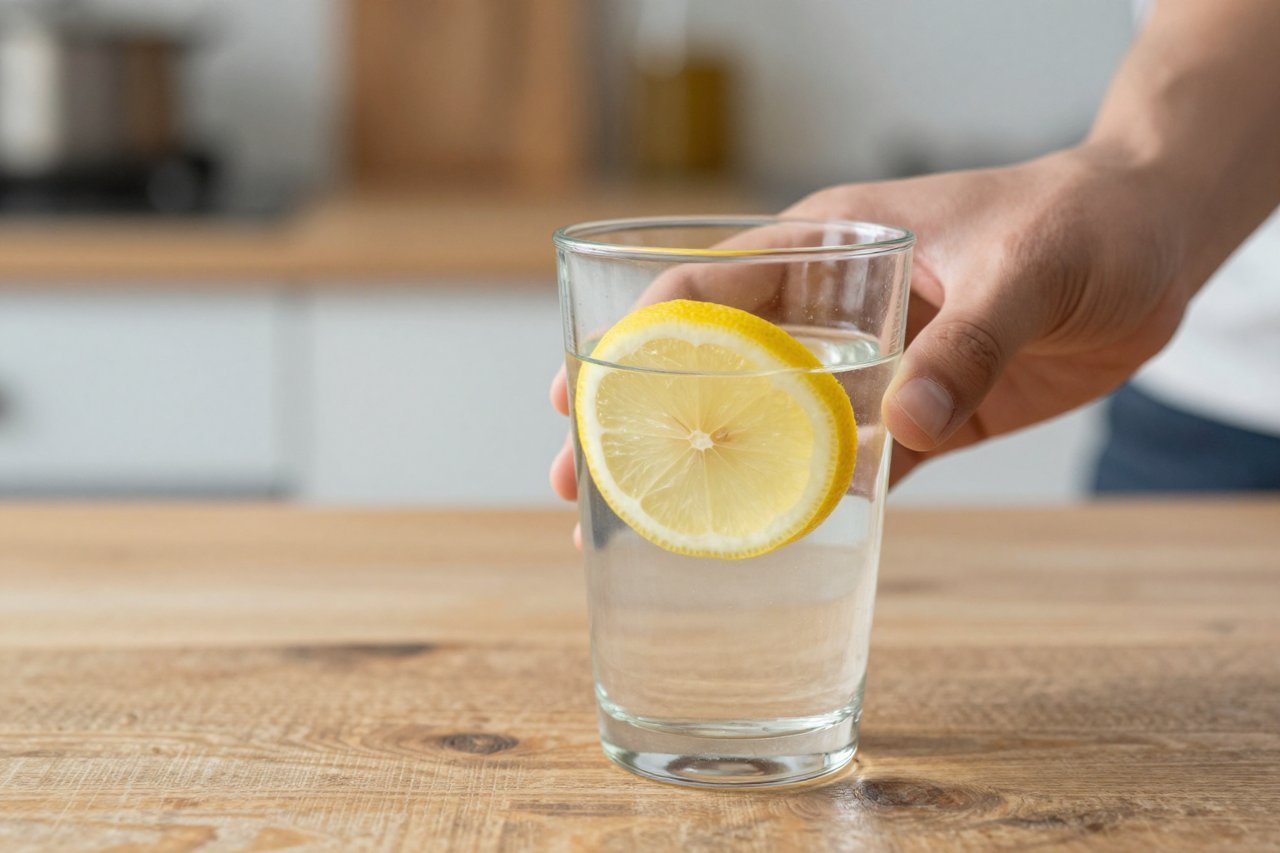
You’re supposed to drink fluids to flush the stone, but the way you drink them matters almost as much as the amount. Downing a litre of water all at once gives you a fleeting spike in urine output, then hours of concentrated urine. The goal is a steady output all day, so urine never becomes supersaturated with calcium or uric acid. Aim for 2.5 to 3 litres per day, with an extra glass at night if your urine tends to look dark in the morning. Skip sugary sports drinks and soda; high-fructose corn syrup increases stone formation. Add a slice of lemon or a splash of real lemon juice, because citrate helps dissolve cystine and uric acid stones. This is the cornerstone of any step-by-step kidney stone treatment plan, yet it’s the one people screw up first.
Mistake #3: Relying on Home Remedies Before You’ve Been Measured
Every social media post seems to have a miracle cure: apple cider vinegar, olive oil and lemon juice, or a “stone breaker” herbal tea. Do these have any evidence? Not for stones larger than a few millimetres. A stone wedged in your ureter won’t dissolve from vinegar, and trying to “natural flush” a 1cm stone can push it against the obstruction and make things worse. More importantly, these remedies delay real diagnosis. You don’t know whether the stone is 3mm or 9mm, and you don’t know if it’s already blocking urine flow. A CT scan or ultrasound gives you that information in minutes. Then, if the stone is too large to pass, you can compare kidney stone treatment options like ureteroscopy or shock wave lithotripsy. Home remedies are fine as comfort measures, not as primary treatment.
Mistake #4: Waiting It Out When a Fever Appears
Kidney stones can coexist with a urinary tract infection, and that’s a ticking clock. The stone acts as a foreign body that bacteria love to colonise, and when it blocks urine, the increased pressure forces bacteria into the blood. The result is urosepsis, a life-threatening complication. The instant your temperature exceeds 100.4°F (38°C), or you start shaking, or your heart rate jumps, you need medical care now. Not tomorrow, not after fluids — now. The standard advice for what works for kidney stone relief prioritises infection control over pain control. A patient with an infected, obstructed stone usually needs drainage first, with stone removal later. Delaying this can cost you a kidney.

Mistake #5: Taking the Wrong Painkillers
Pain control is a balancing act. Ibuprofen and other NSAIDs are first-line for renal colic because they reduce inflammation in the ureter, helping the spasm release. But they also decrease blood flow to the kidneys, and if you’re already dehydrated, a high dose can push you into acute kidney injury. That means you shouldn’t take the maximum dose for days without drinking extra water. Conversely, some people avoid all painkillers because they’re worried about masking symptoms — that makes blood pressure spike and increases nausea, which worsens dehydration. The middle path: take an NSAID after food, with plenty of water, and switch to acetaminophen if you have a history of kidney disease. Never rummage through the cupboard for leftover opioids or muscle relaxants.
Mistake #6: Treating Every Stone the Same Way
Stones are not one-size-fits-all. Uric acid stones, which are more common in people with gout or insulin resistance, can be dissolved by making urine more alkaline with potassium citrate. Calcium oxalate stones, the most common type, won’t respond to that. Cystine stones are a whole other animal, requiring high fluid intake and occasionally tiopronin. Size, shape, and location also change your approach: a 4mm stone in the distal ureter often passes unaided, while a 10mm stone in the kidney might need surgery. So before you commit to a treatment, find out what kind of stone you have. If it ends up in your urine, collect it and have it analysed. If it doesn’t, your urologist can still estimate composition based on blood and urine tests.
Mistake #7: Forgetting That Recovery Is Prevention
Passing a stone is not the finish line. Without metabolic workup, the recurrence rate is roughly 50% within five years. The most common mistake is celebrating the pass and going back to the same diet and habits that formed the stone. A smarter move is to request a 24-hour urine test to see exactly what you’re over-excreting or under-hydrating: calcium, oxalate, uric acid, citrate. Then you can tailor your diet. If you’re overweight, your risk rises because insulin resistance changes urine chemistry. Losing even 5-10% of your body weight lowers that effect, and a structured weight loss program can be just as important as any medication. Consider this phase part of your treatment, not an afterthought.
Build Your Own Kidney Stone Treatment Playbook
You don’t need to know every urology guideline to handle a stone properly. You just need a checklist that stops you from defaulting to myths.
- If you have flank pain plus fever or burning, get a urine test before assuming it’s a stone.
- Hydrate steadily, not in bursts, and keep your urine light yellow.
- Get imaging early to know stone size and location.
- Use NSAIDs cautiously and after a snack.
- Collect the stone for analysis if you can.
- Ask for a 24-hour urine test after you pass one.
- Never ignore a fever, no matter how good you feel.
The best kidney stones treatment starts with the right information and a clear head. The minute you feel that familiar ache, stop asking “what can I take” and start asking “what do I know.” Because the people who avoid these seven mistakes tend to pass stones faster, with fewer emergency trips, and they don’t see the same stone come back.


