
Table of Contents
There’s no denying the appeal of a fuller lip. It’s the kind of feature that reads as healthy, youthful, and, let’s face it, fun. But lip injections aren’t for everyone, and that’s exactly why lip plumping products have carved out such a loyal following. They give you a temporary boost in a matter of minutes, with no needles and no permanent commitment.
I’ve been through more tubes and jars of these than I care to admit, so let me save you some trial and error. Here’s how to pick a good one, how to use it, and which formulas actually deserve your money.
How Lip Plumping Products Actually Work
Not all plumpers are created equal. On the simplest level, there are two main approaches: blood-flow boosters and hydration boosters. The first uses mild irritants to inflame the lips temporarily. The second draws water into the skin and plumps up cells from within. Knowing which one you’re buying completely changes your expectations.
The Irritant Approach (Blood Flow Boost)
Ever used a lip product and felt a tingling, almost buzzing sensation? That’s the classic irritant approach. Ingredients like cinnamon oil, peppermint, ginger, and capsaicin (the same compound that makes chili peppers hot) dilate the blood vessels near the surface of your lips. More blood flow means more volume — simple as that.

These plumpers work fast. You apply, wait about two minutes, and your lips look visibly bigger. The effect lasts between two and four hours, depending on how strong the formula is. The downside? They can sting, and if your lips are chapped or cracked, you’ll definitely feel it. If you want a range of options that deliver without going overboard on the tingle, check out our roundup of lip plumpers that work wonders. It includes everything from mild to industrial strength.
The Hydration Approach (Filling from Within)
If you hate the burn, the hydration route is your friend. These products rely on humectants like hyaluronic acid, which can hold up to 1,000 times its weight in water. When applied to your lips, they pull moisture from the air and underlying skin into the surface layers, creating a subtle but healthy-looking fullness.
Hyaluronic acid plumpers also tend to make your lip skin look smoother and more conditioned, not just bigger. They’re a great daily option because you can layer them under lipstick or gloss without worrying about a red, blotchy reaction. Some formulas mix in collagen-boosting peptides or glycerin for an extra effect.
What to Look for Before You Buy
Walking down the beauty aisle, you’ll see dozens of products claiming to plump. But a quick scan of the ingredient list usually separates the real deals from the duds.
- Hyaluronic acid at 0.5% to 2% — enough to hydrate and plump, but not so much that it feels tacky.
- Peptides like Matrixyl 3000, which help stimulate collagen over time.
- Soothing oils such as jojoba, shea butter, or squalane to prevent irritation.
- Volulip™ or Moist-24™ — proprietary complexes often found in professional-grade plumpers.
- No parthenolide or synthetic dyes if you have sensitive skin. Those are common allergy triggers.
Also pay attention to the percentage of active ingredients. A product that lists hyaluronic acid as the fifth ingredient probably isn’t doing much. Look for it near the top, or check for a concentration on the box.
The Best Lip Plumping Products Worth Your Money
So what’s actually good? In my experience, the best results come from formulas that combine a little bit of both approaches — a gentle tingle for instant volume plus hydrating ingredients for lasting softness.
Glosses and Shimmers
If you want a plumping effect plus a salon-worthy shine, a plumping gloss is the easiest win. Glossier’s Lip Glaze is a prime example: it delivers a super-smooth, high-gloss finish with a peptide blend that de-puffs and smooths without any sting. If you’re curious about the shades and how they wear, you can read our full Glossier Lip Glaze review and swatches before deciding. The short version? It’s more like a treatment than a stinging gloss, and it looks great on its own or over liner.
On the more traditional side, there are plumping glosses that give a strong tingle and a noticeable pink flush. The key is to apply them sparingly and let them work for a minute before you judge the final effect.
Balms and Masks
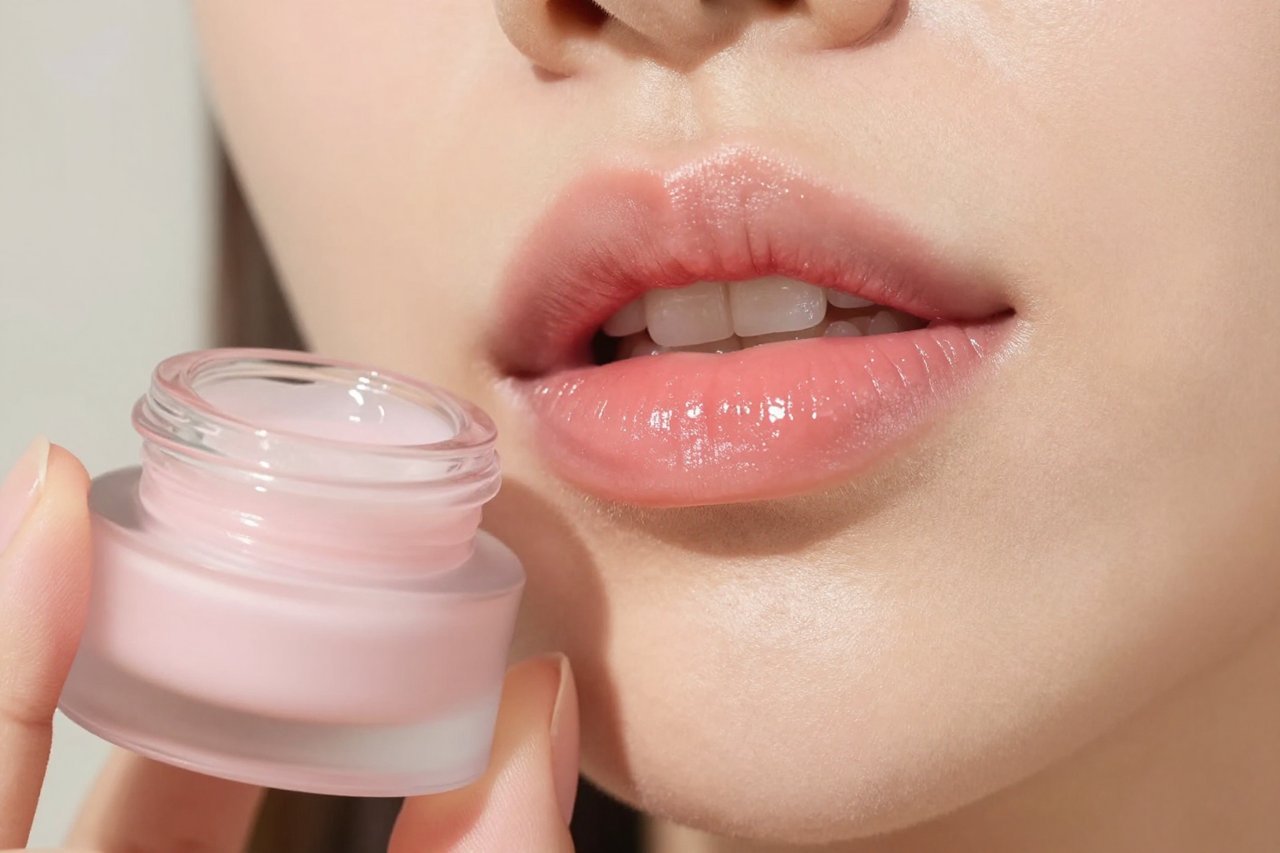
If you prefer a low-key, overnight approach, plumping lip masks are where it’s at. These usually come in pots or tubes and sit on your lips for 10 minutes or longer, letting the active ingredients sink in. A lot of them use a mix of hyaluronic acid and peppermint to give a soft, cooling fullness.
Honestly, some of the best lip plumping products aren’t even marketed as plumpers. They’re deeply hydrating balms that make your lips look fuller because they’re no longer dehydrated or flaky. If your lips are perpetually dry, start with a great balm before you touch any active plumping formula. The best lip balms for dry lips can already give your pout a major boost just by restoring moisture.
How to Apply for Maximum Results
Getting the most out of any lip plumping product comes down to prep and technique. Here are the exact steps I use every time:
- Exfoliate first. Use a lip scrub or a soft toothbrush to remove dead skin. Wait about 15 minutes after exfoliating, though, so you don’t irritate fresh skin.
- Start with a clean lip. Wipe away any leftover balm or lipstick. Plumpers absorb better on a bare surface.
- Apply a thin, even layer. Don’t pile it on. Especially with irritant-based formulas, more doesn’t equal bigger. It just equals more pain.
- Keep your lips slightly open for 30 seconds. This helps the product dry down a little and prevents it from sliding off.
- Wait two minutes before adding color. If you’re layering a lipstick over a plumper, give the formula time to fully absorb. Otherwise, you’ll just smear everything around.
You can reapply throughout the day, but avoid going over five or six uses in a row. Your lips need breaks, especially with irritant-rich formulas.
Common Mistakes and Sensible Precautions
One of the biggest mistakes I see people make is applying a plumper to already damaged lips. If your lips are cracked, peeling, or chapped, a strong formula won’t just sting — it can cause actual swelling or blistering. Always treat your lip barrier first.
Another thing: patch test. Even if a product is from a trusted brand, your skin might not agree with it. Apply a tiny dab to the side of your mouth or inner arm, and wait 15 minutes. If there’s redness, burning, or itching that doesn’t fade quickly, wash it off and skip it.
Fragrances and essential oils are common irritants too. If your skin tends to react to botanicals, stick to formulas without cinnamon or peppermint. It’s also worth checking out the best allergy-friendly skin-care products for spring, because many of the same hypoallergenic principles apply to your lips. Fragrance-free doesn’t always mean boring, and your lips will thank you.
Setting Realistic Expectations
No lip plumping product is going to give you the same results as a syringe. And honestly, that’s a good thing. The goal here is enhancement, not transformation. With the right formula, your lips will look glossier, smoother, and a little more full. But it’s temporary — usually a few hours, or after a day of consistent hydration-based plumping, a subtle overall shift.
What can genuinely change over weeks? The hydration approach can improve your lip skin’s texture, making them look healthier and therefore plumper all the time. The irritant approach is just a quick fix for events, photos, or a night out.
So go ahead, experiment. Try a plumping gloss during the day, or an overnight mask that works gradually. Start with one product, pay attention to how your lips react, and build from there. Your perfect pout is probably one small tube away.


